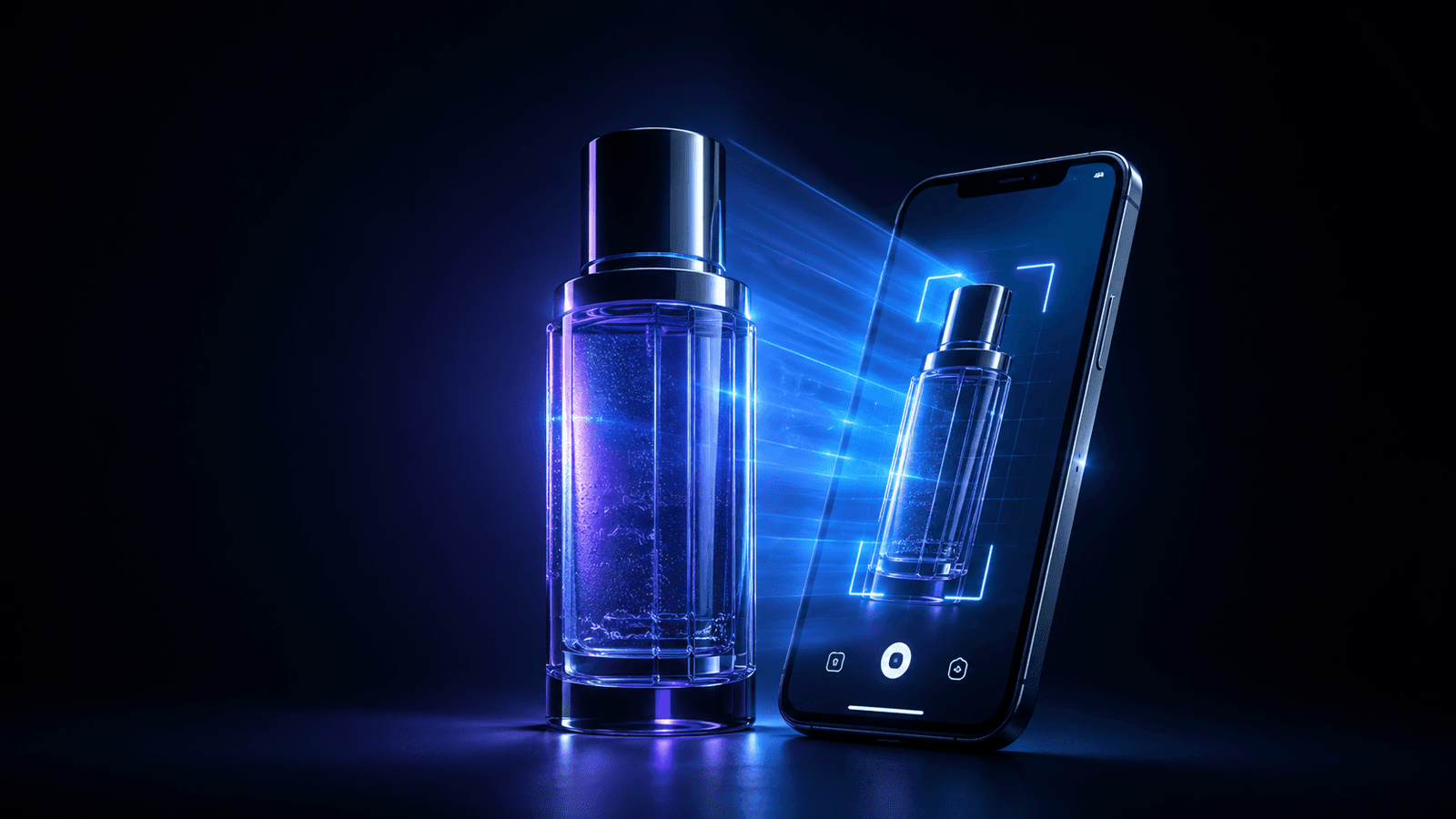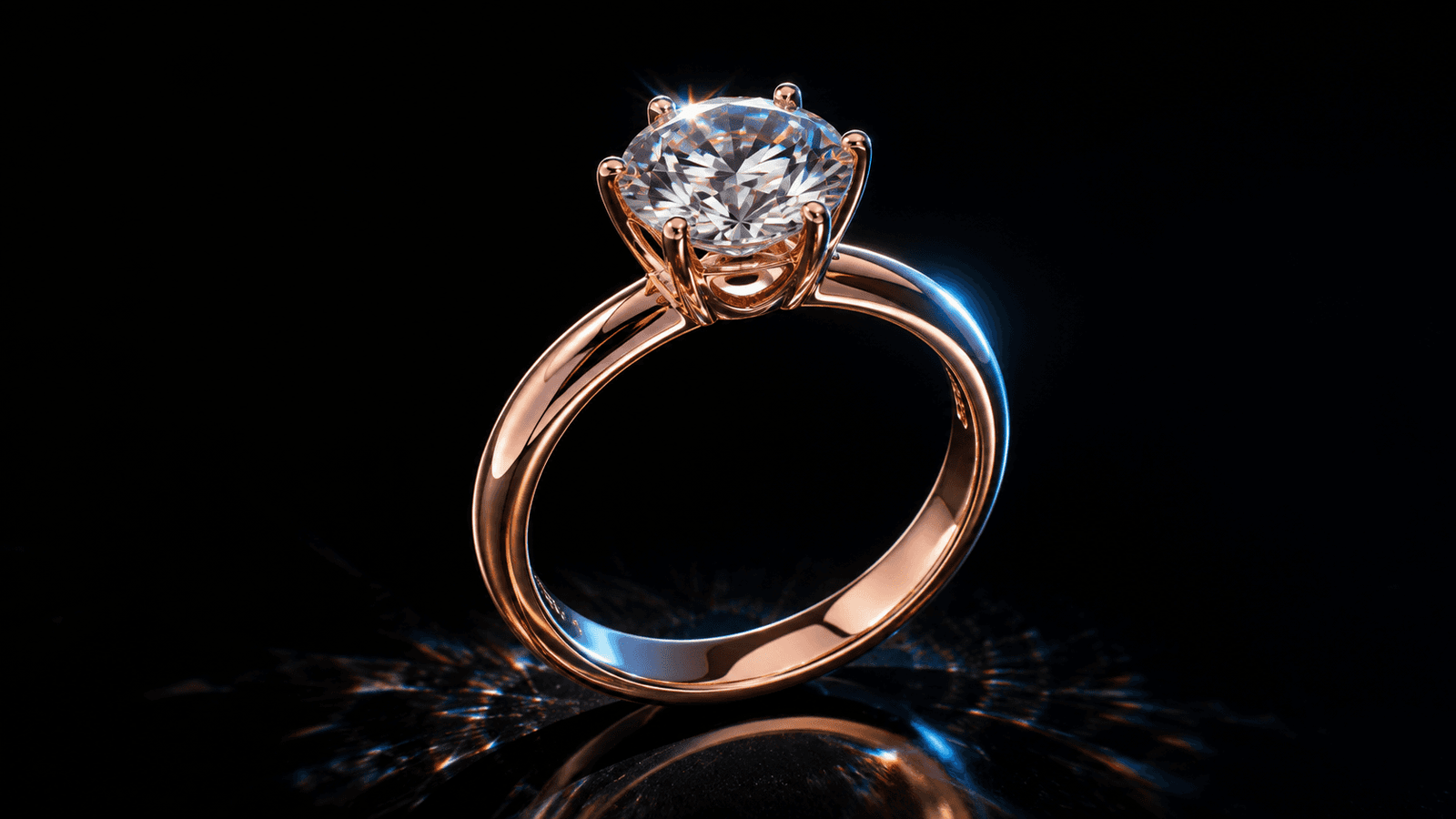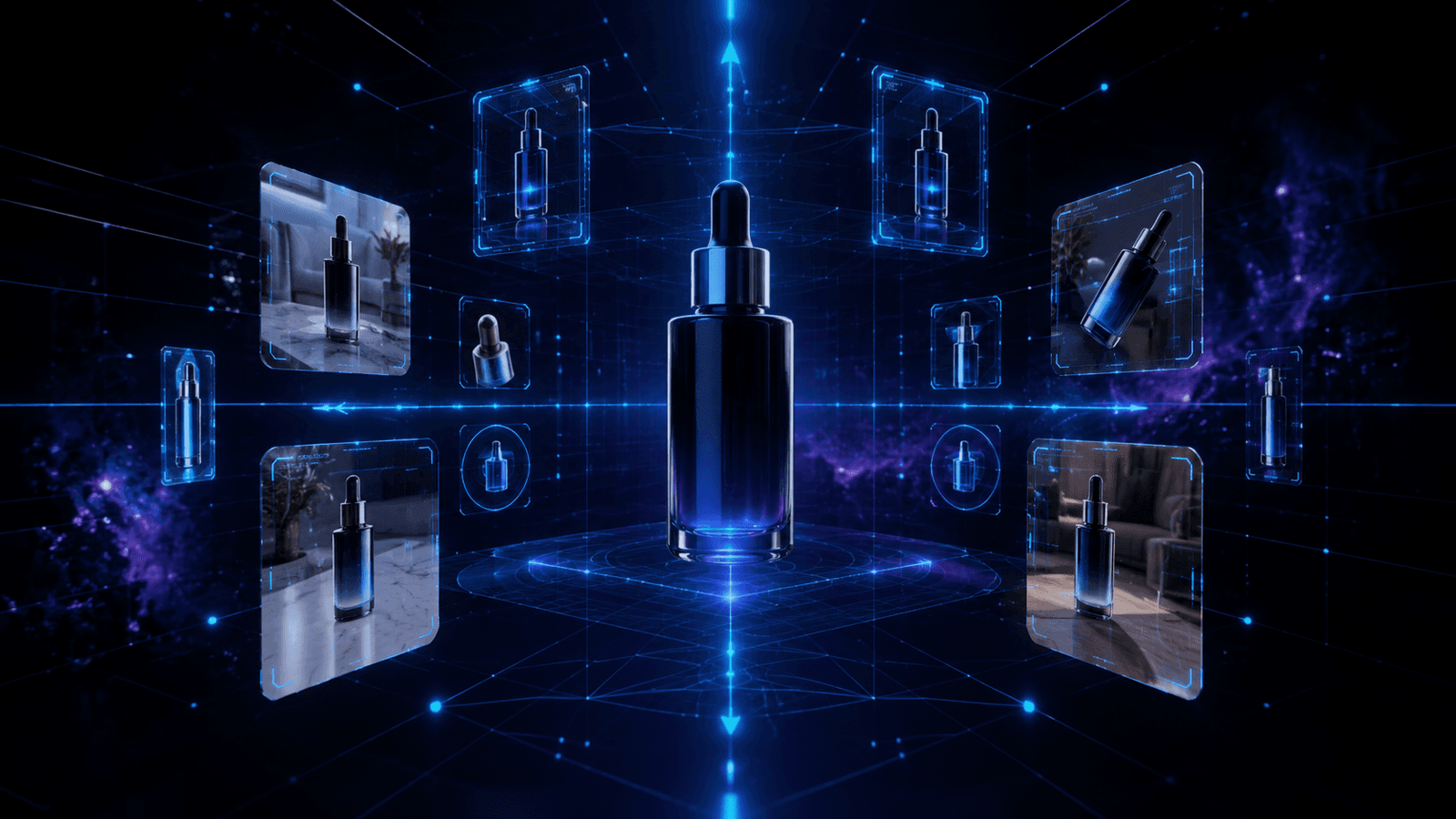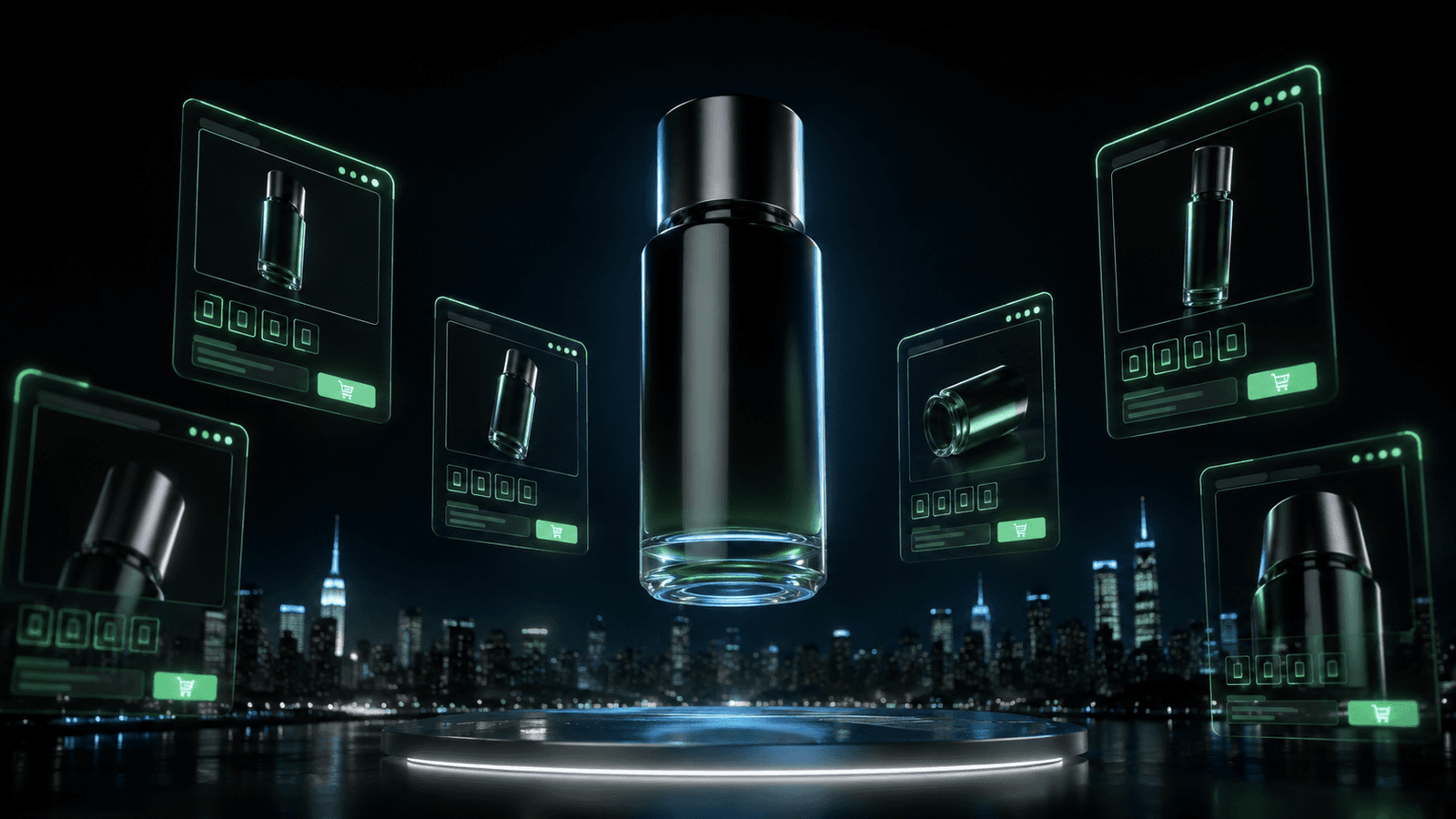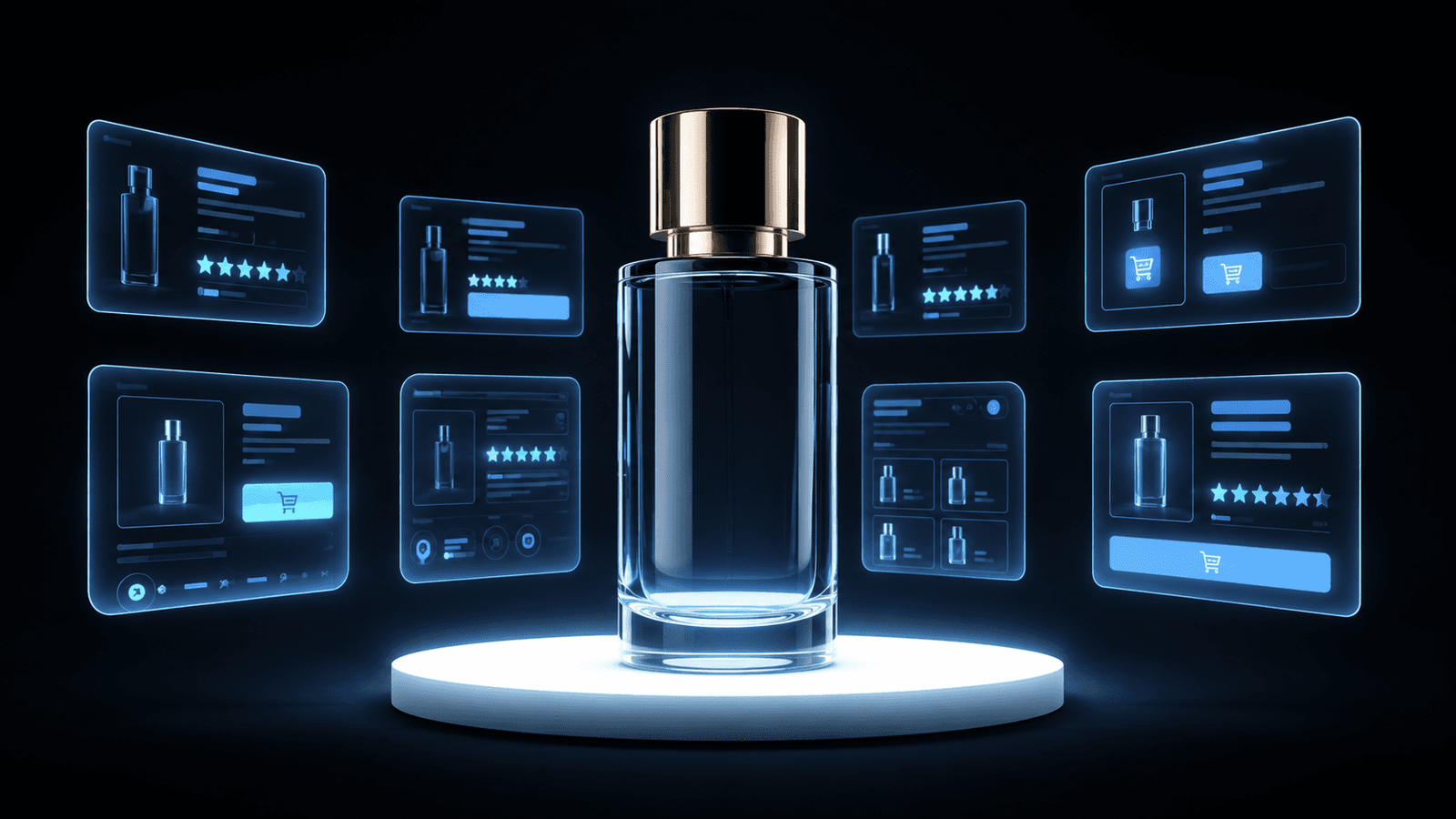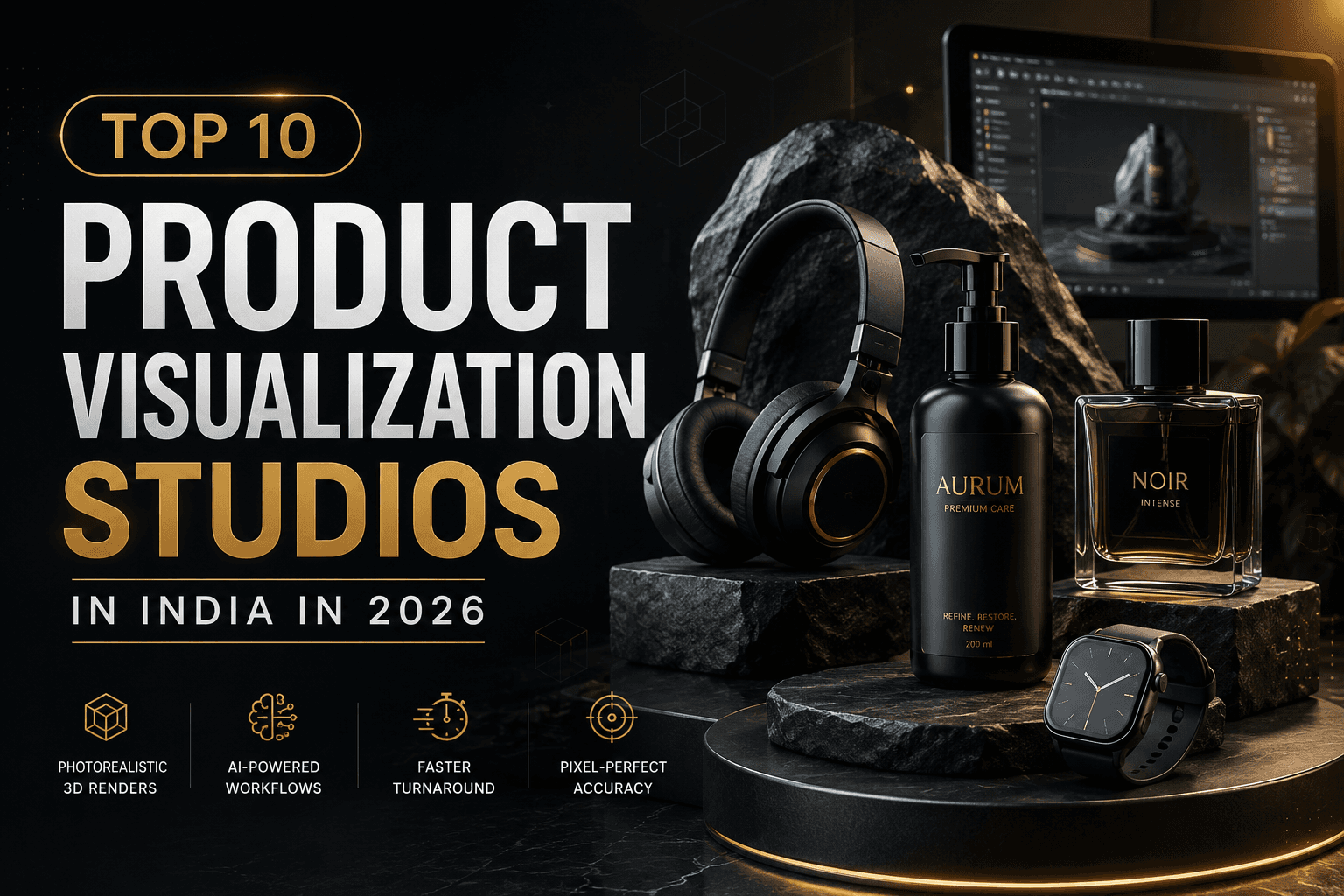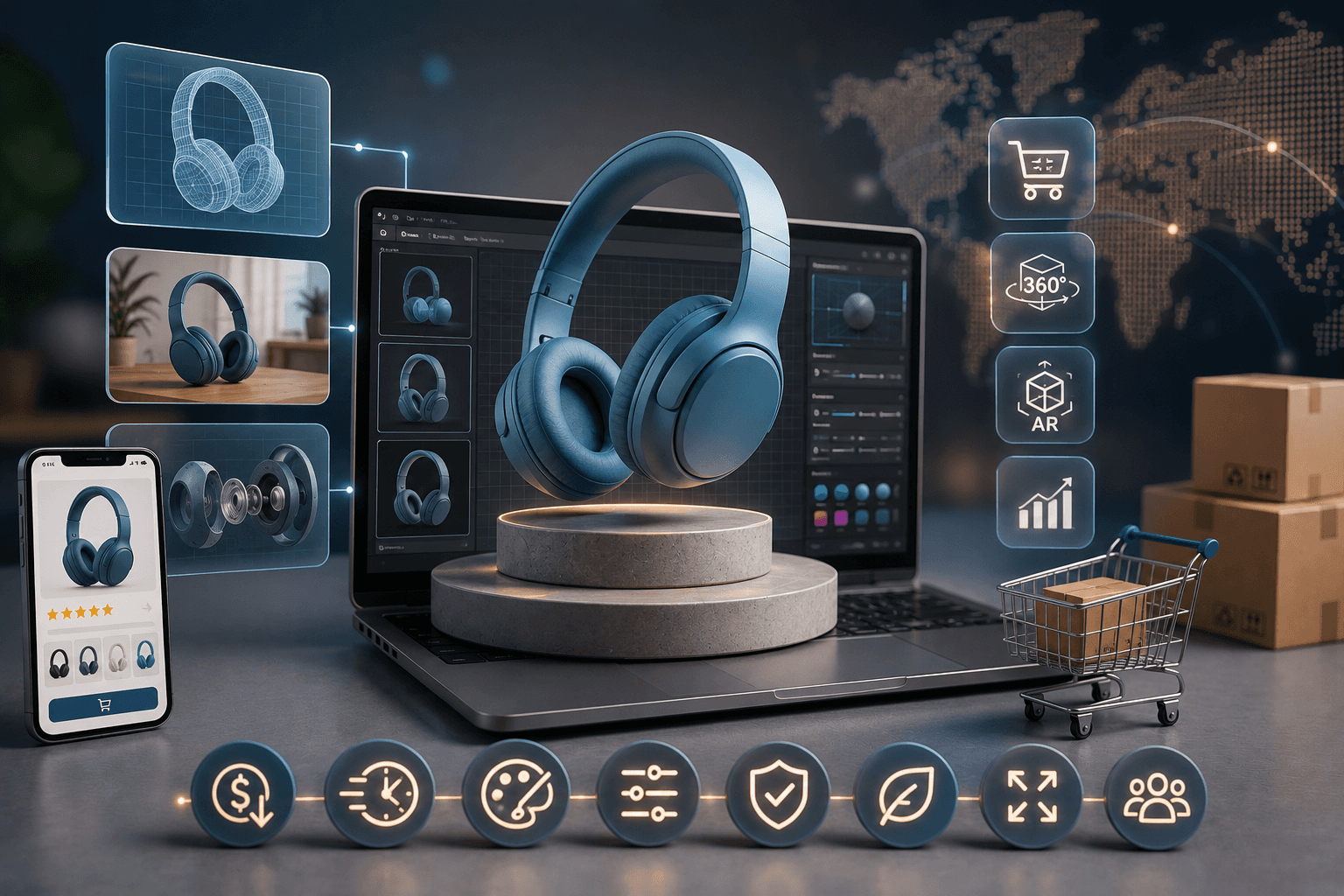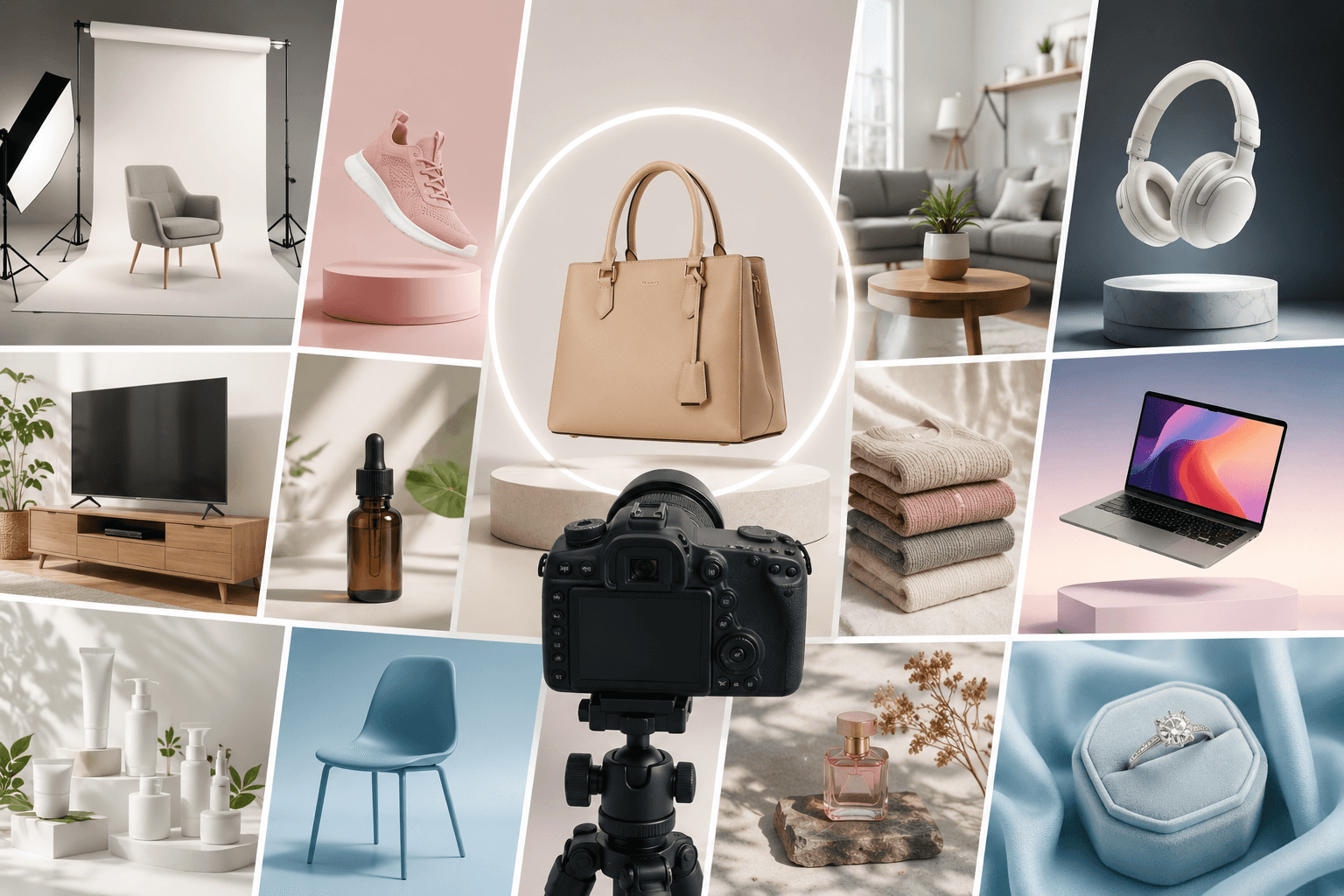

3D product visualization is the process of building a photoreal digital model of a product and using it to generate images, animations and 360° spins without a camera. Brands are moving to it in 2026 because a photoshoot is priced per day and per angle, while a 3D model is built once and reused for every image after that.
What 3D product visualization actually is
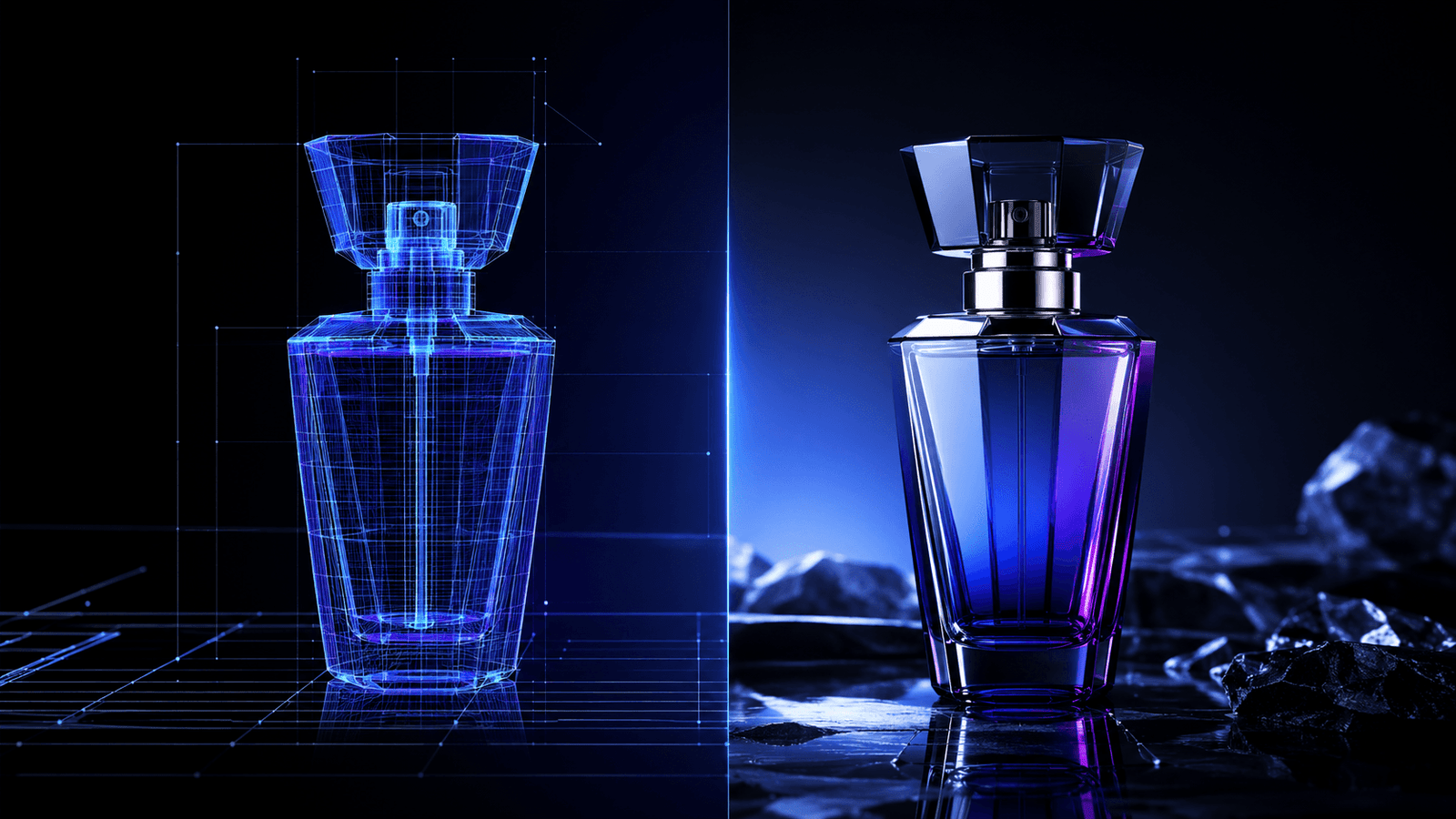
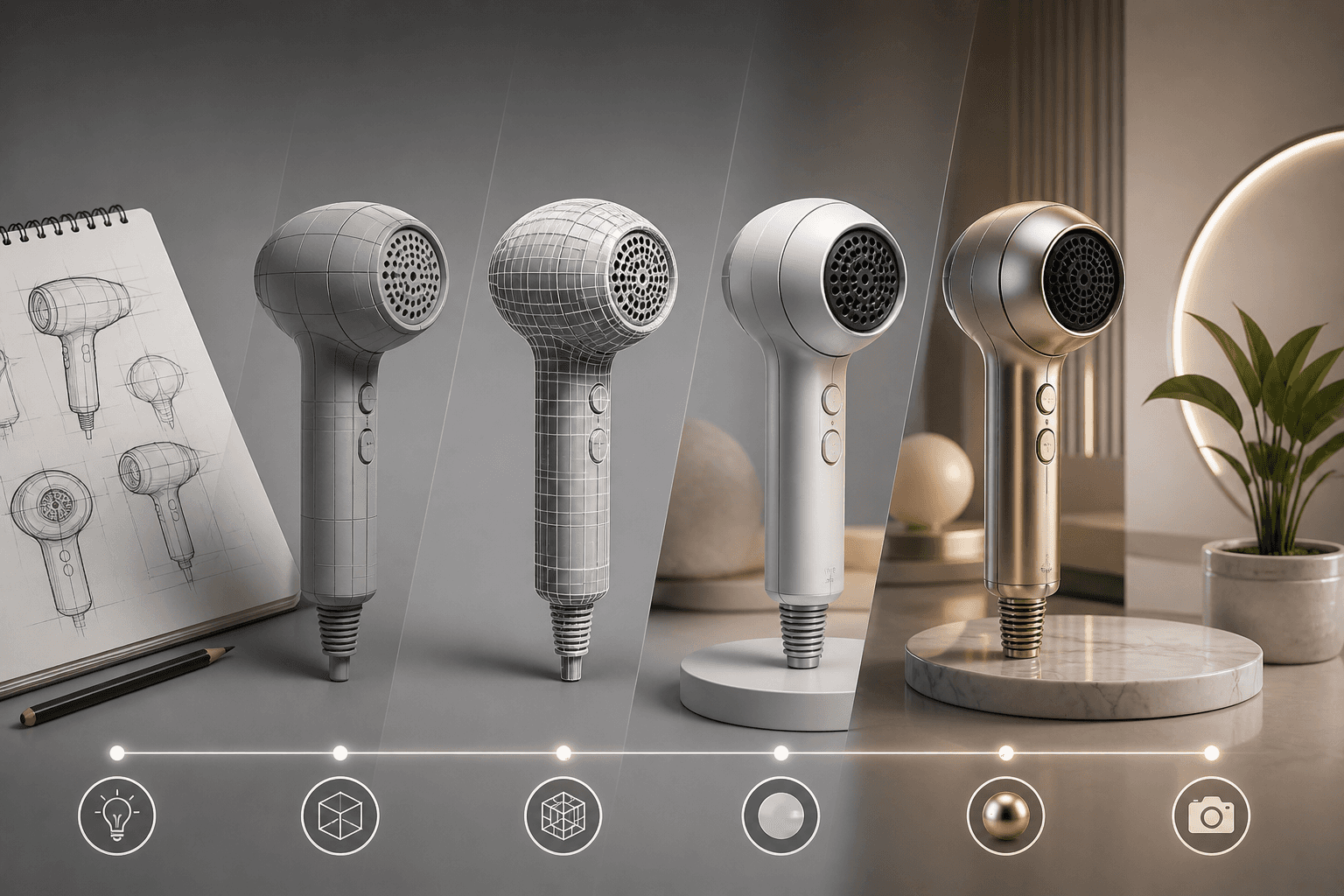
It is not a filter and it is not a generative image. A 3D artist reconstructs the product inside specialist software using its real dimensions, material behaviour and packaging artwork. Once the model is accurate, images, animations and configurators are outputs of the same file, not separate productions.
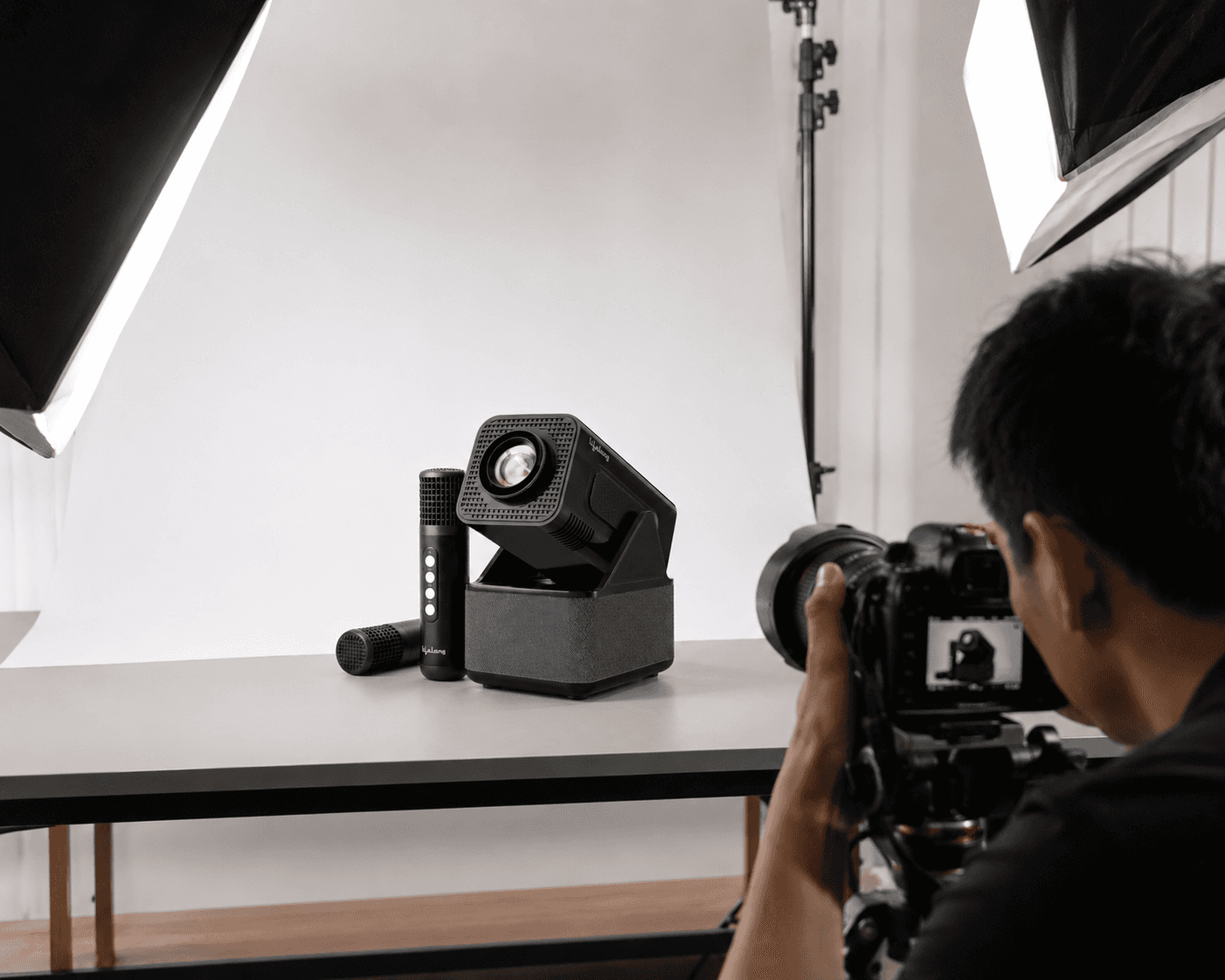
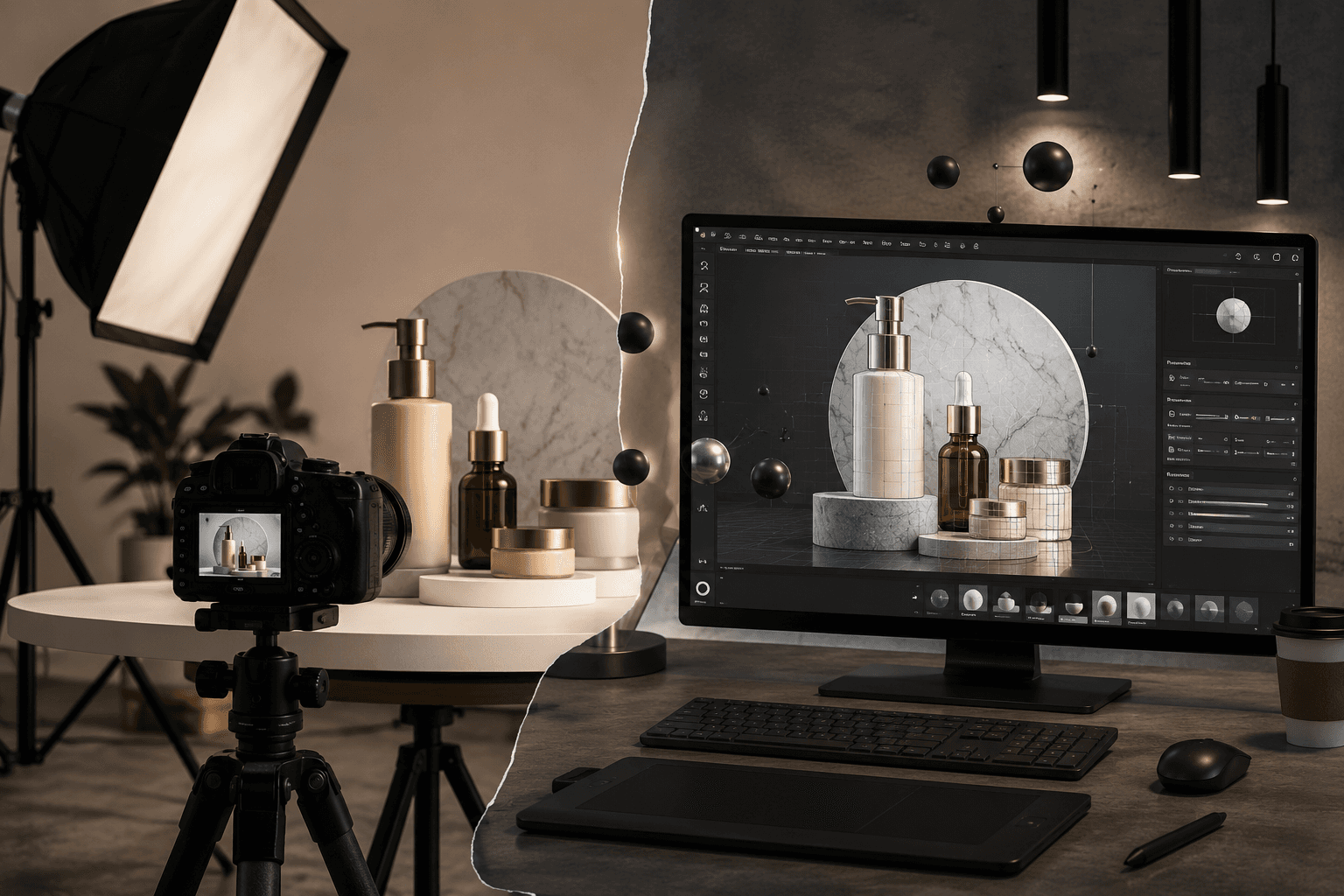
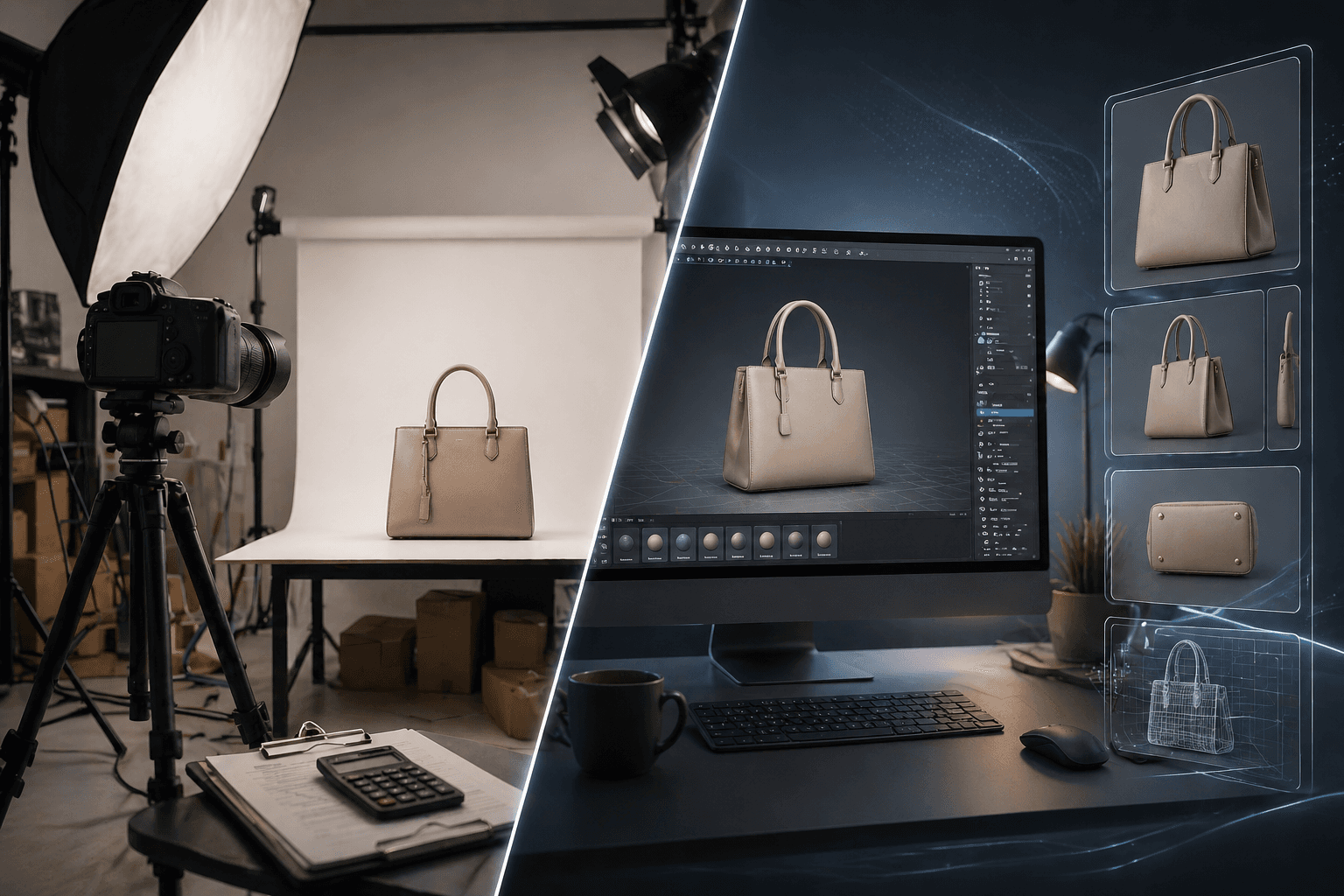
How it differs from a traditional shoot
A photoshoot is priced per day, per angle and per reshoot. A 3D render is priced per image, and the price drops sharply after the first one because the model already exists. A traditional shoot in India runs ₹15,000 to ₹80,000 per SKU by the time samples, studio, crew and retouching are counted. A 3D pipeline runs ₹3,000 to ₹15,000 per SKU for the same brief.
The turnaround shape is also different. Photography takes 3 to 10 days once samples arrive. A 3D pipeline delivers first proofs within 48 hours of the model being ready, and a full set in 2 to 5 days.
Why 2026 is the inflection point
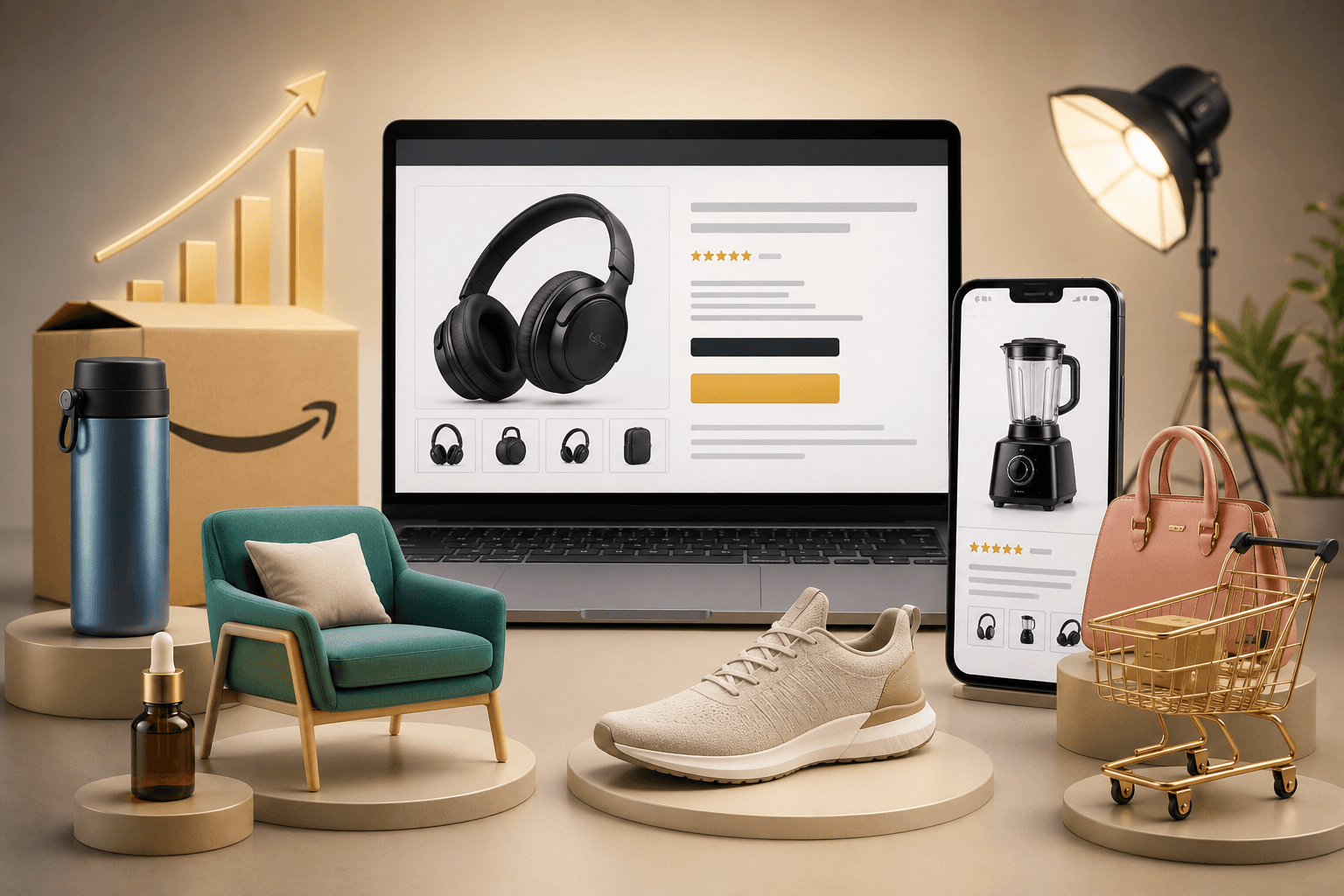
Two things converged. Ecommerce catalogues got wider, so brands need dozens of images per SKU across marketplaces, ads and social. And render engines got fast enough that photoreal output is no longer a specialist post-production job. The saving is real: brands moving catalogues to 3D see 50 to 70 percent cost reduction within twelve months at scale.
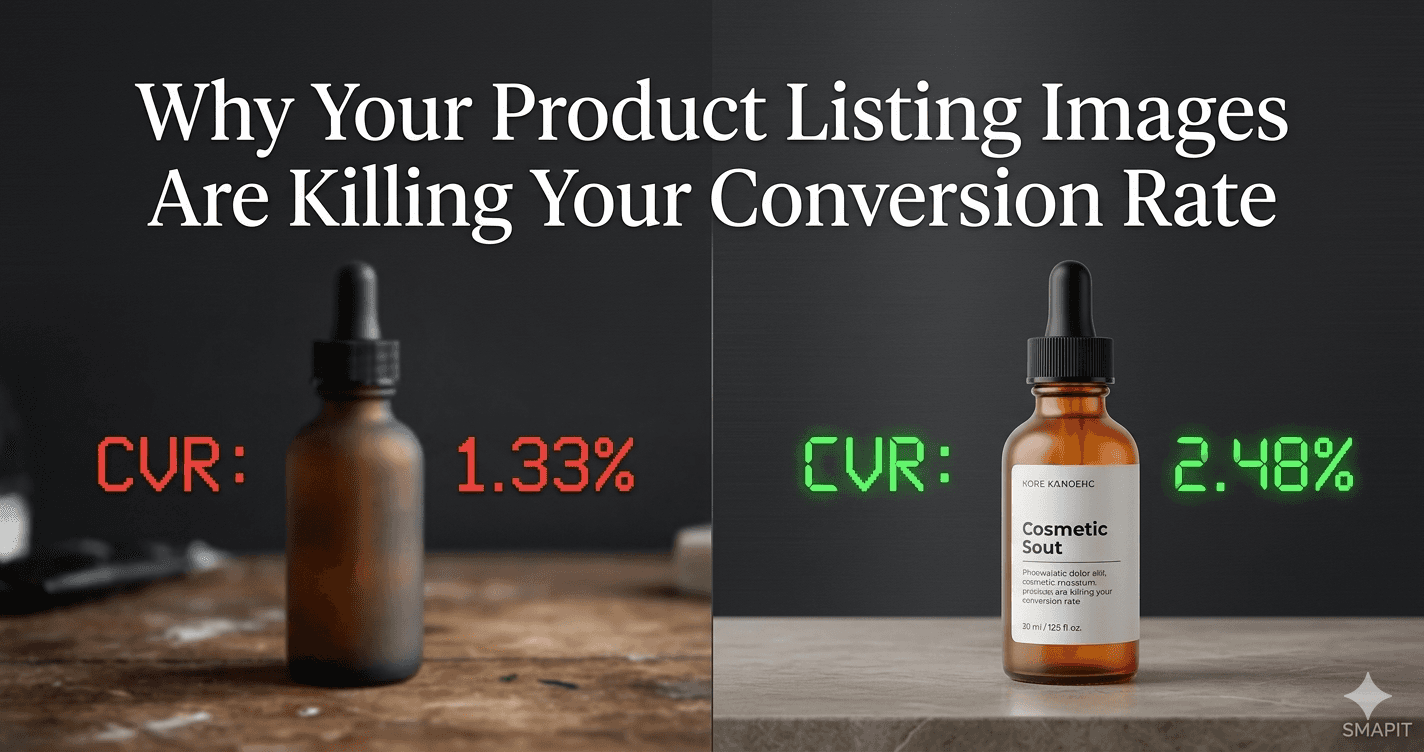
The buyer side matters too. Around 73 percent of shoppers cite image quality as a top factor in a purchase decision, and multi-angle imagery has been linked to up to 40 percent fewer returns. Better images sell more and come back less.
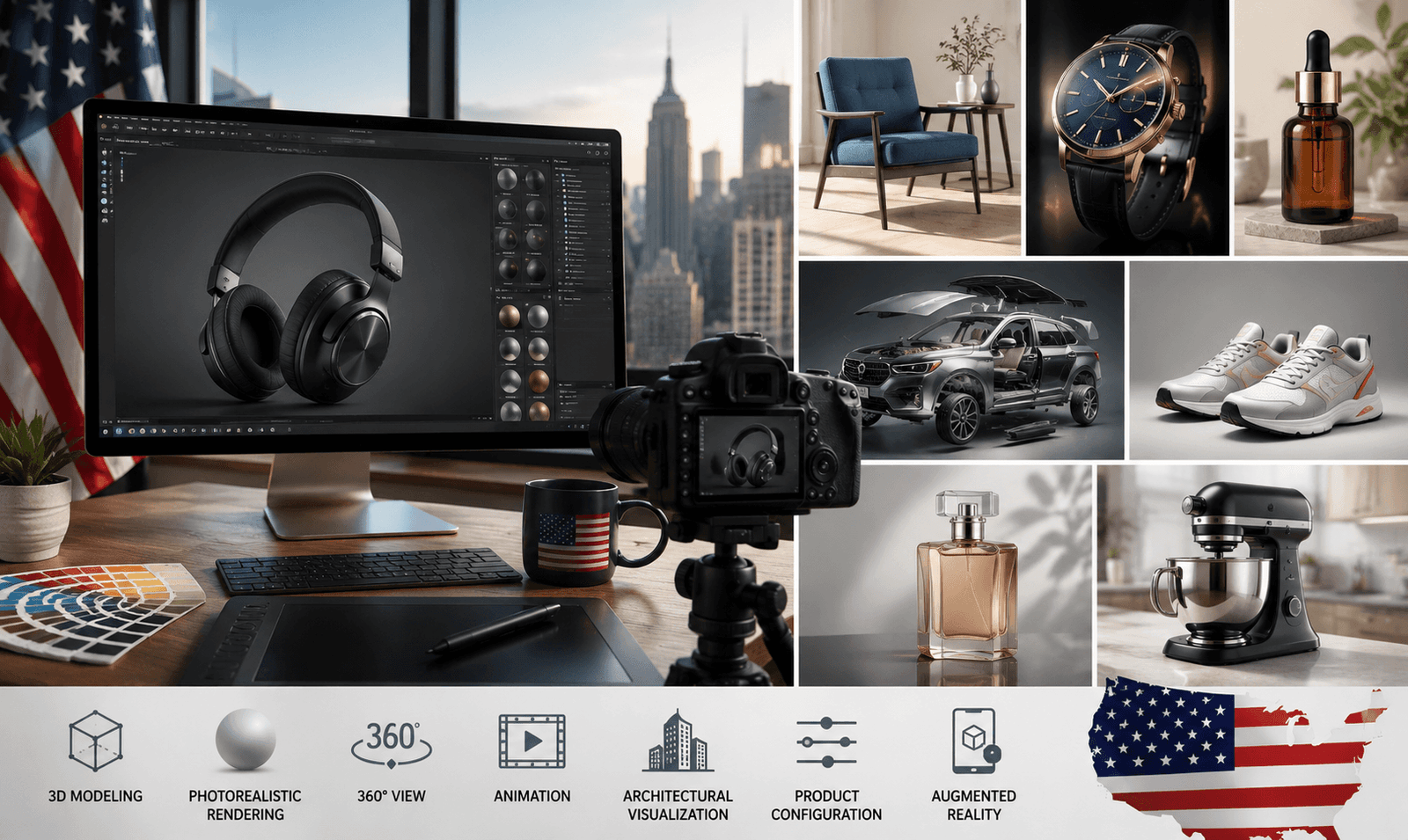
What formats a 3D pipeline produces
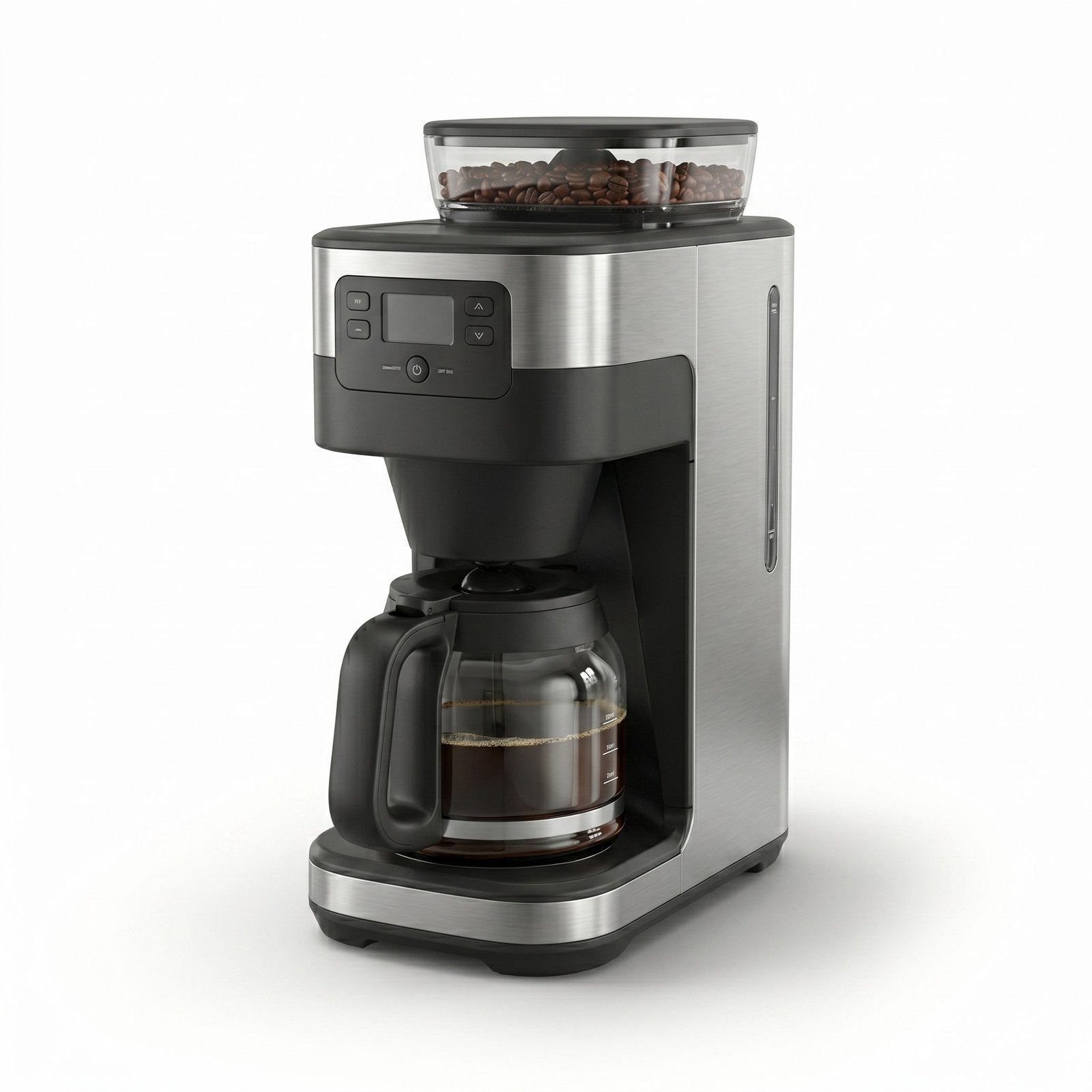
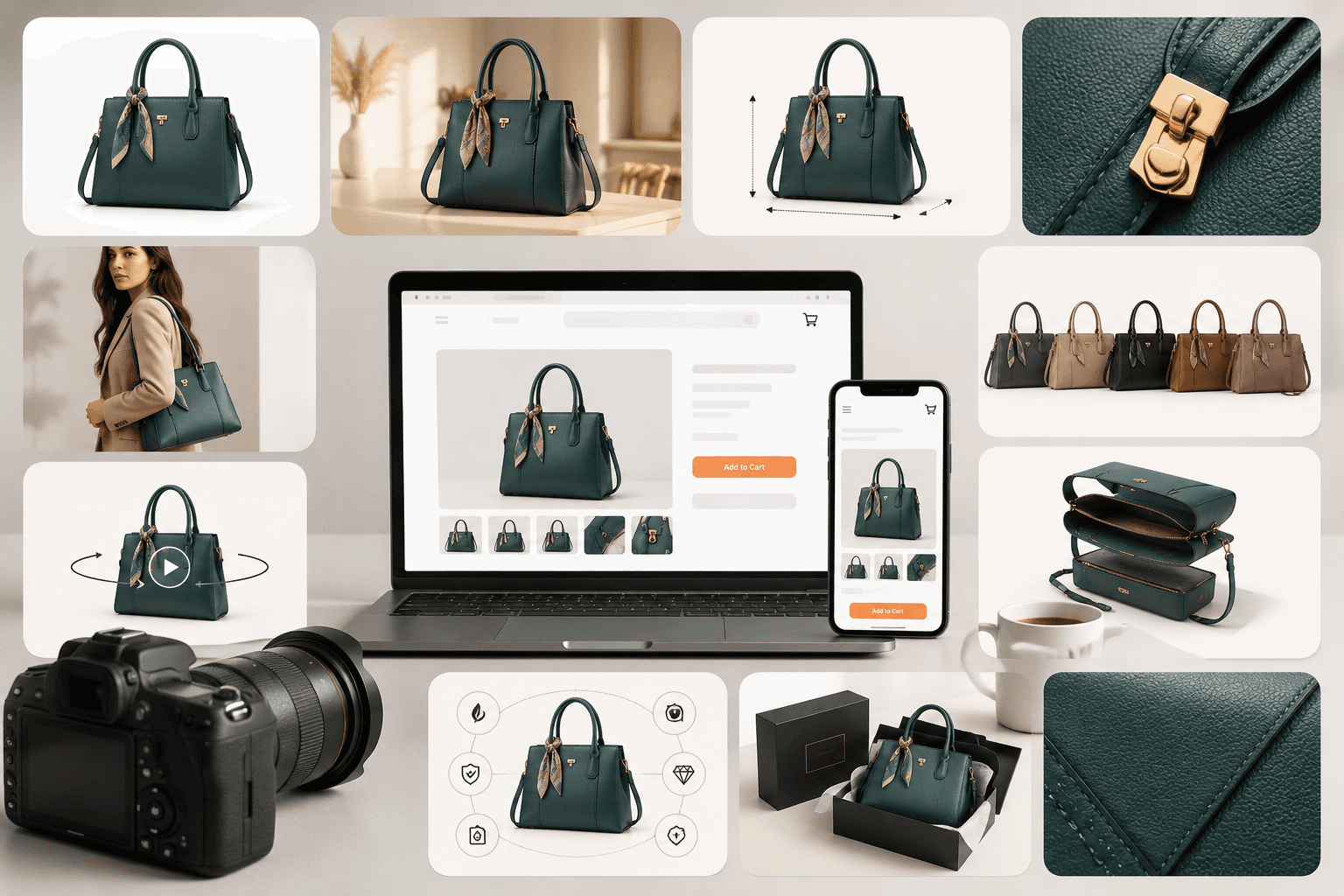
- White-background packshots for marketplace listings
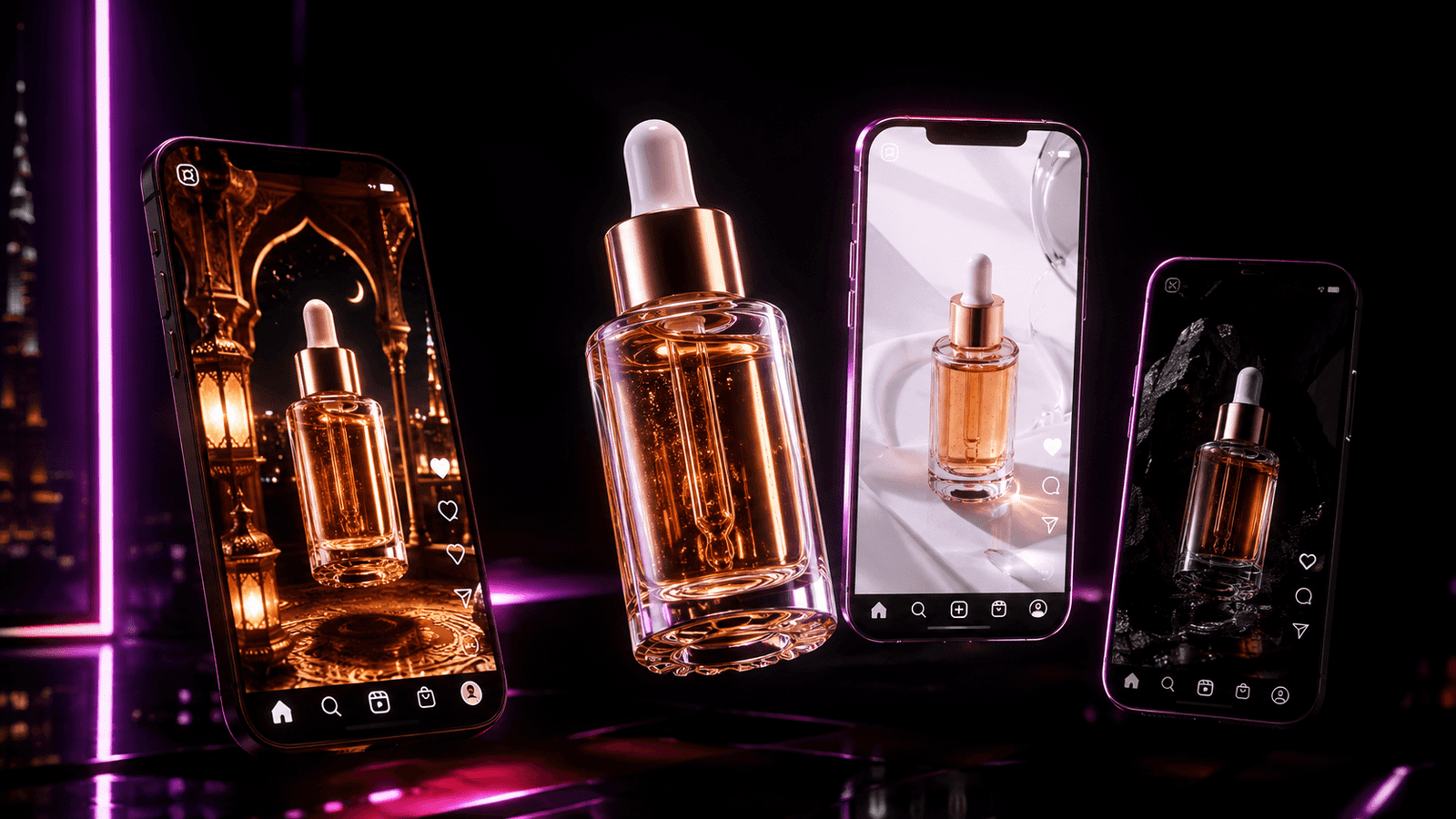
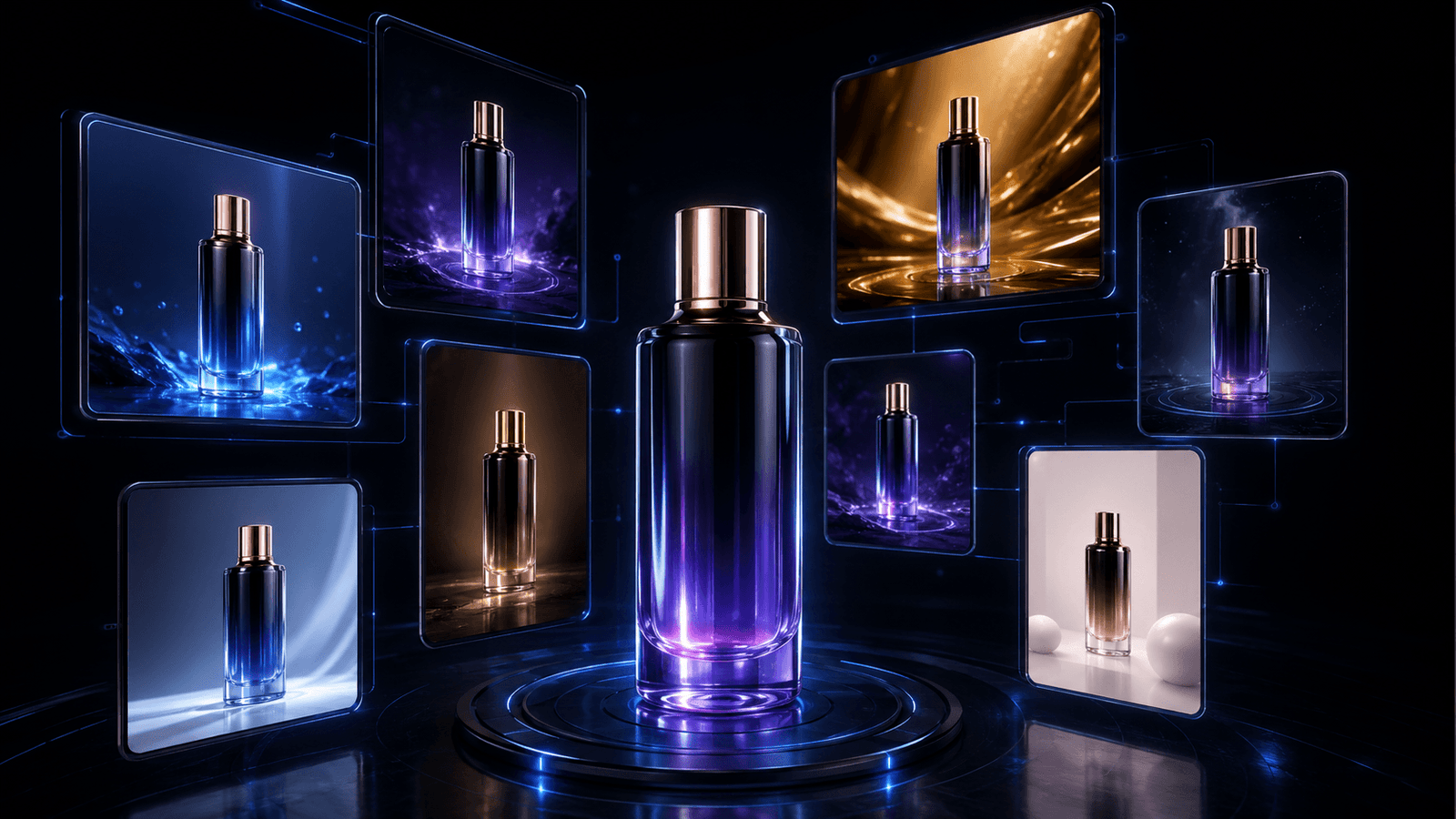
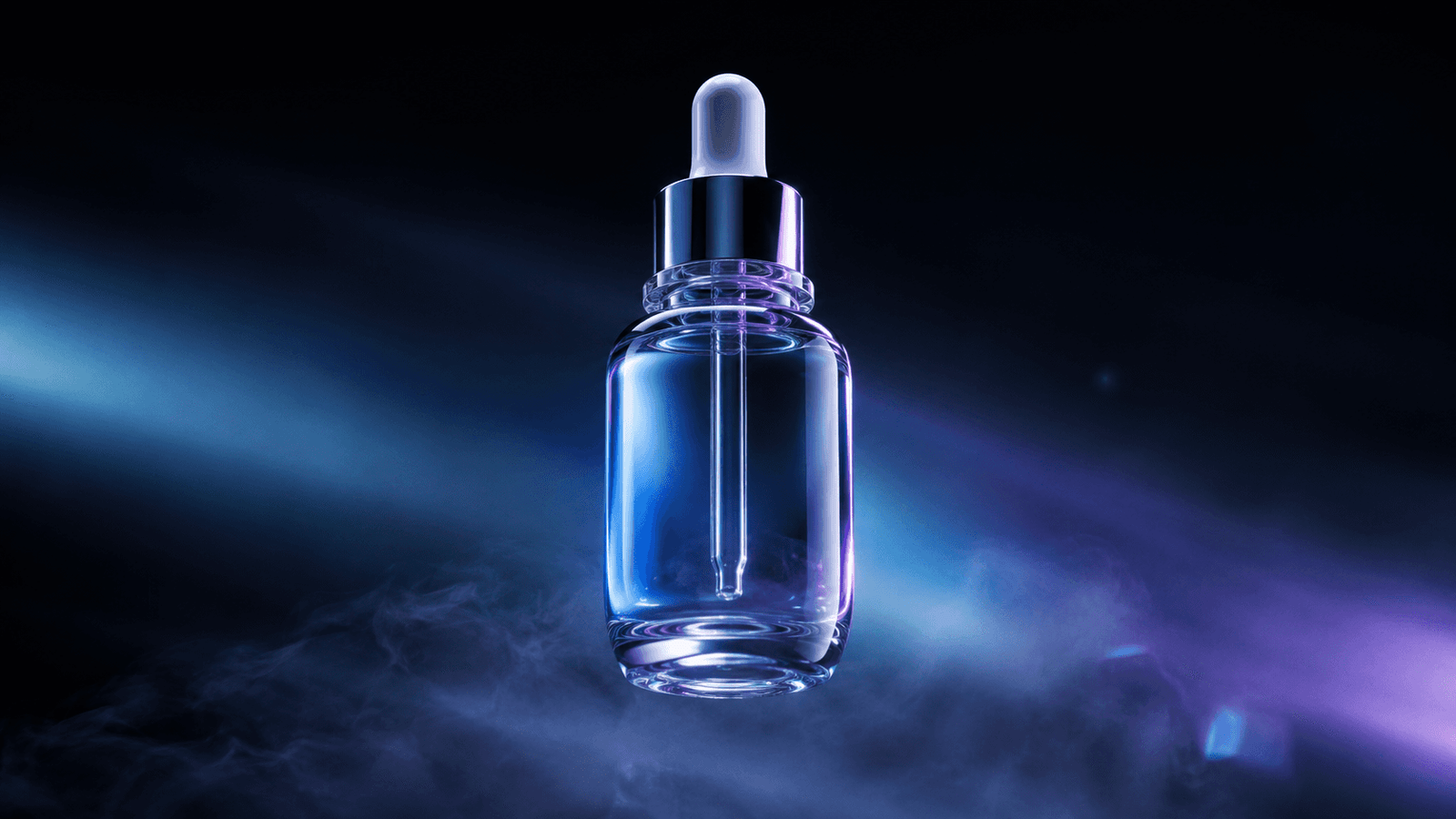
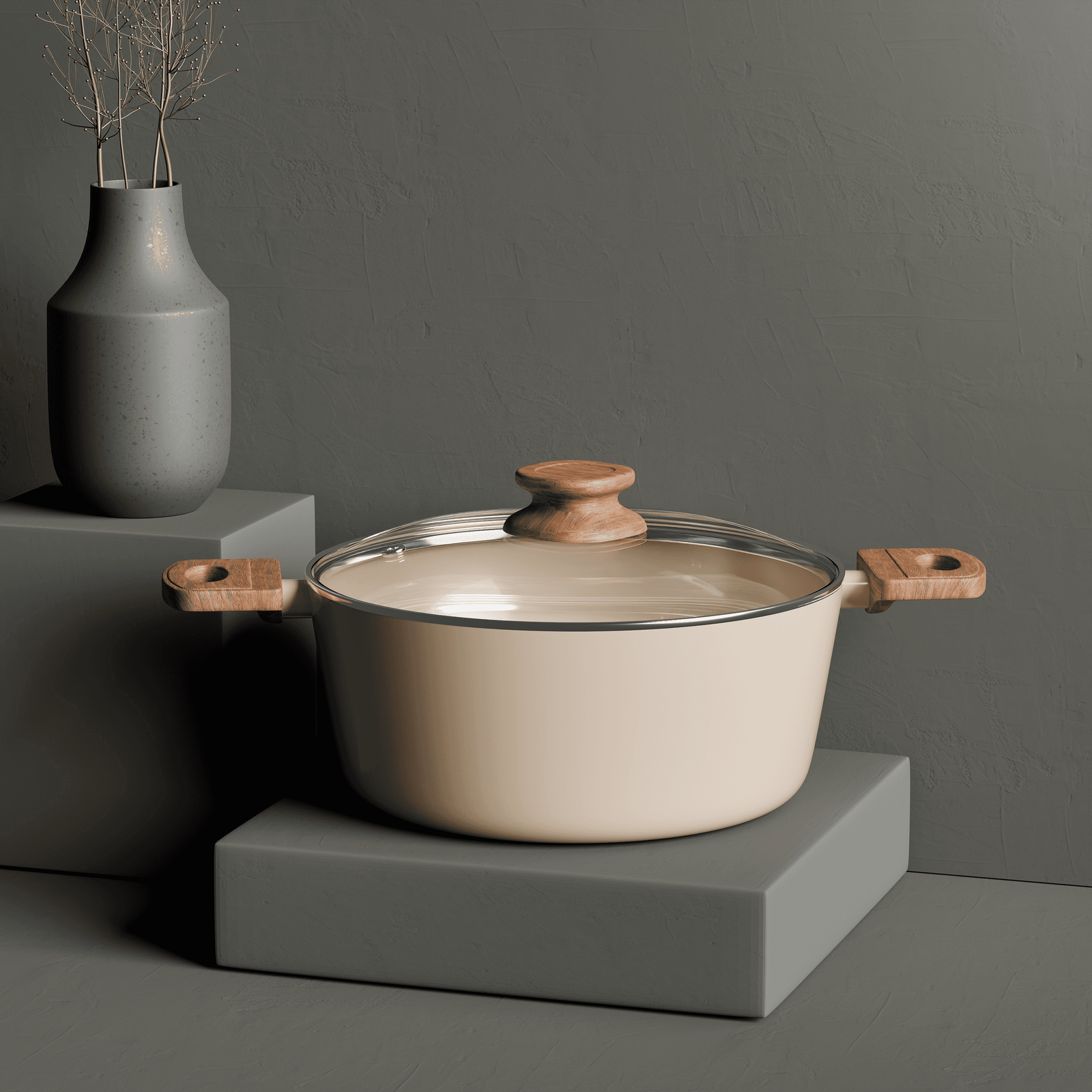
- Lifestyle renders that put the product inside a full CGI scene
- 360° spin animations and short product films
- Exploded views, cutaways and dimension diagrams
- AR-ready assets for on-page previews on mobile
- Colourway and size variants generated before the factory produces them
Which categories benefit most
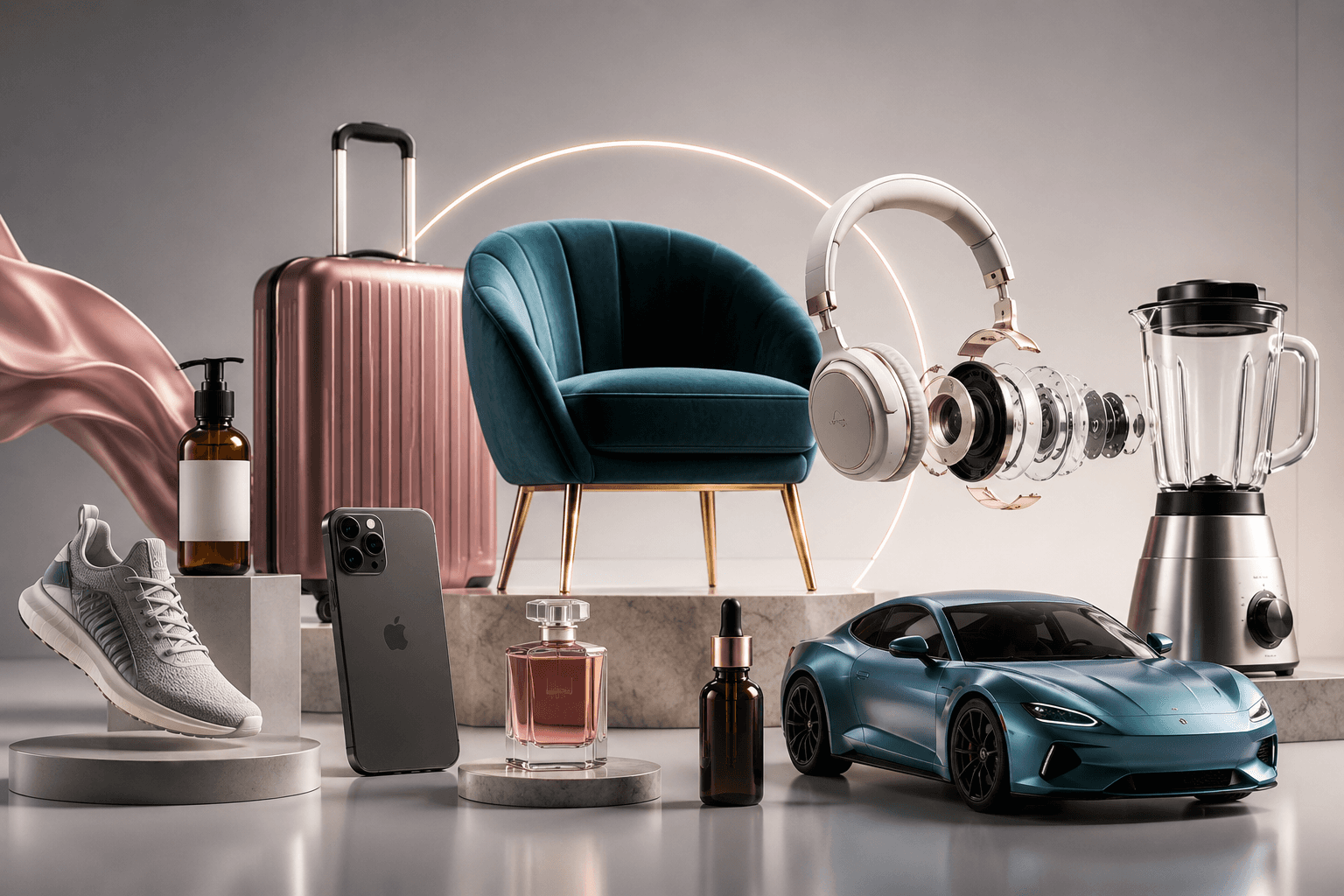
The maths tips fastest for products with variants, wide catalogues or frequent design refreshes. Furniture, consumer electronics, beauty and personal care packaging, fashion accessories and FMCG lines are the clearest cases. If a single product will be shot again inside a year, the model is already worth it.
Where a shoot is still the right call
Photography is still the better tool for candid human moments, food and beverage where steam and organic imperfection sell the shot, and one-off hero campaigns where building an accurate model would cost more than the shoot. Nothing in this article changes that.
What to look for in a partner
Accuracy is the whole game. A render built from a rough approximation of the product will look convincing until a customer zooms in on the label. Ask to see the wireframe, not just the final image, and ask how the studio handles CAD files, colour references and packaging dielines. Studios that work from real data model faster and cheaper.
The other thing worth checking is file ownership. A 3D model is a permanent brand asset. If the studio keeps it, every future render costs modelling time again. If you keep it, the cost curve keeps falling.