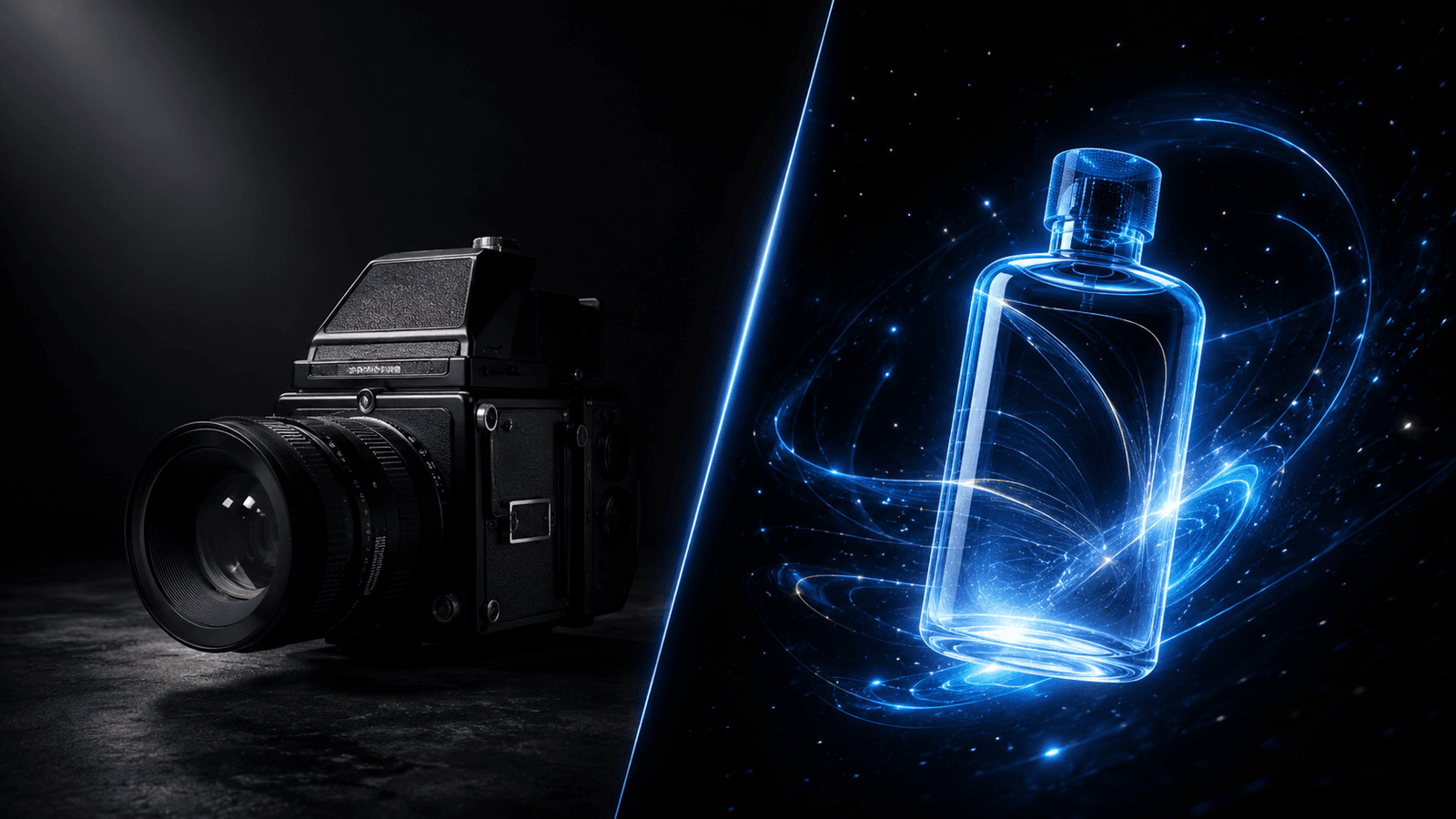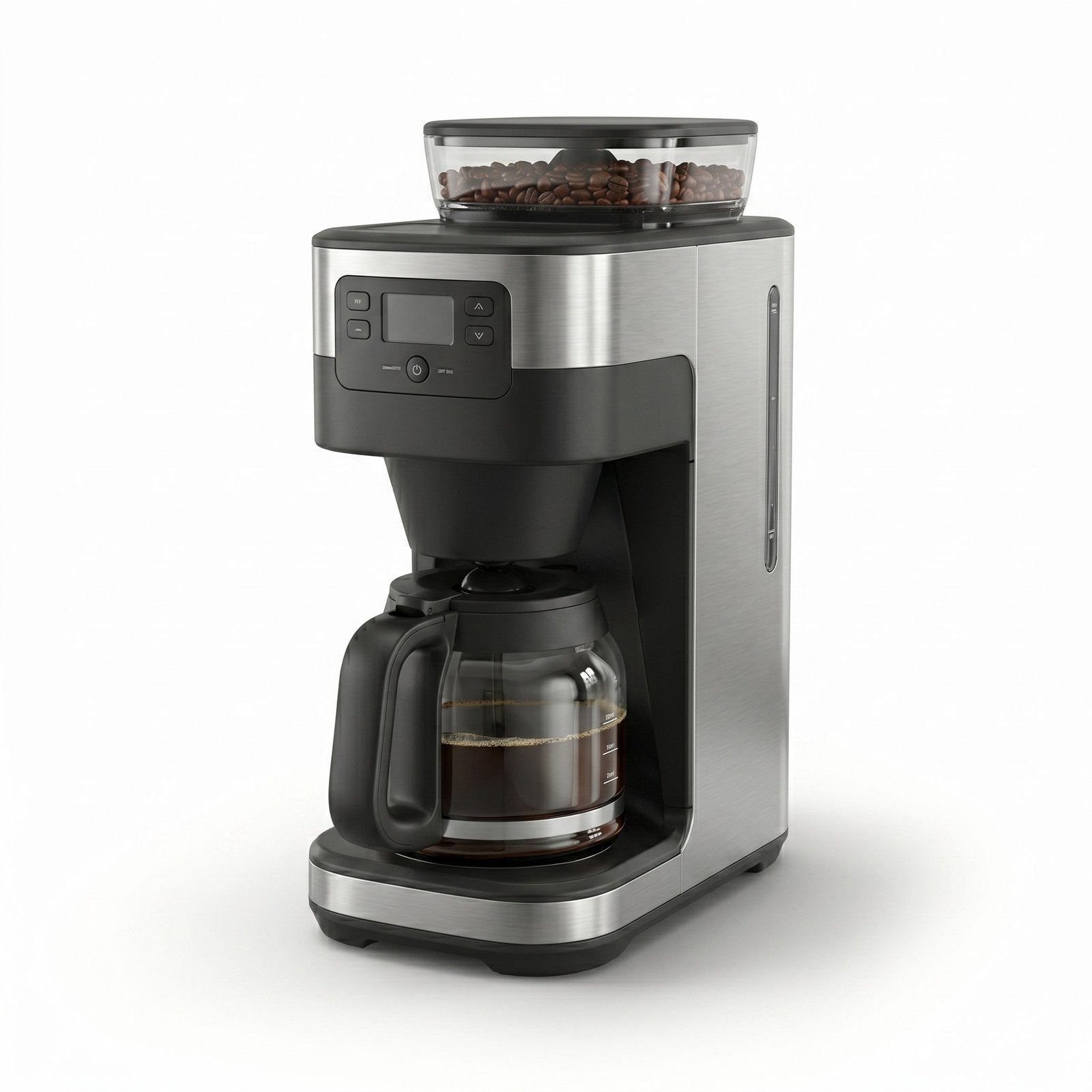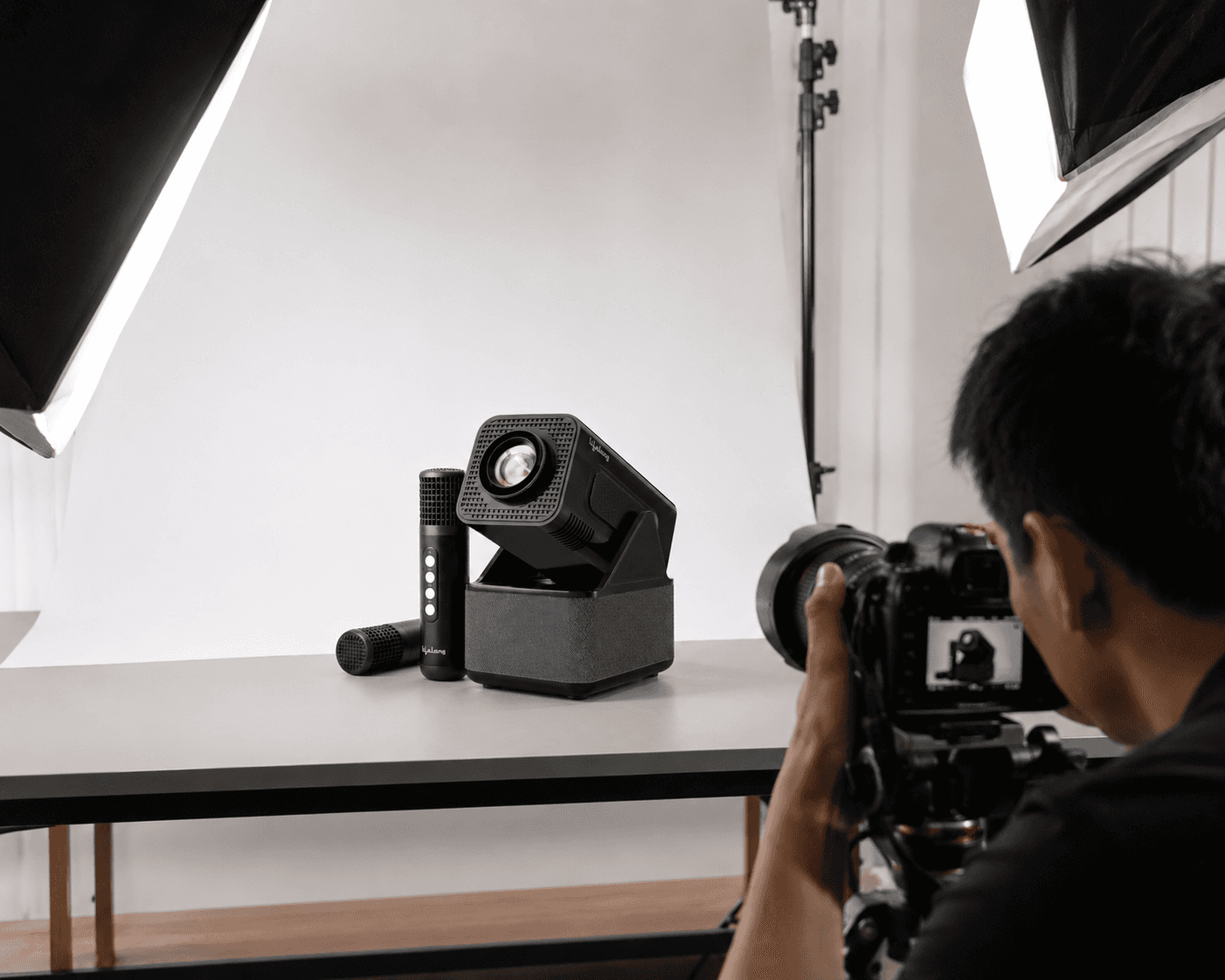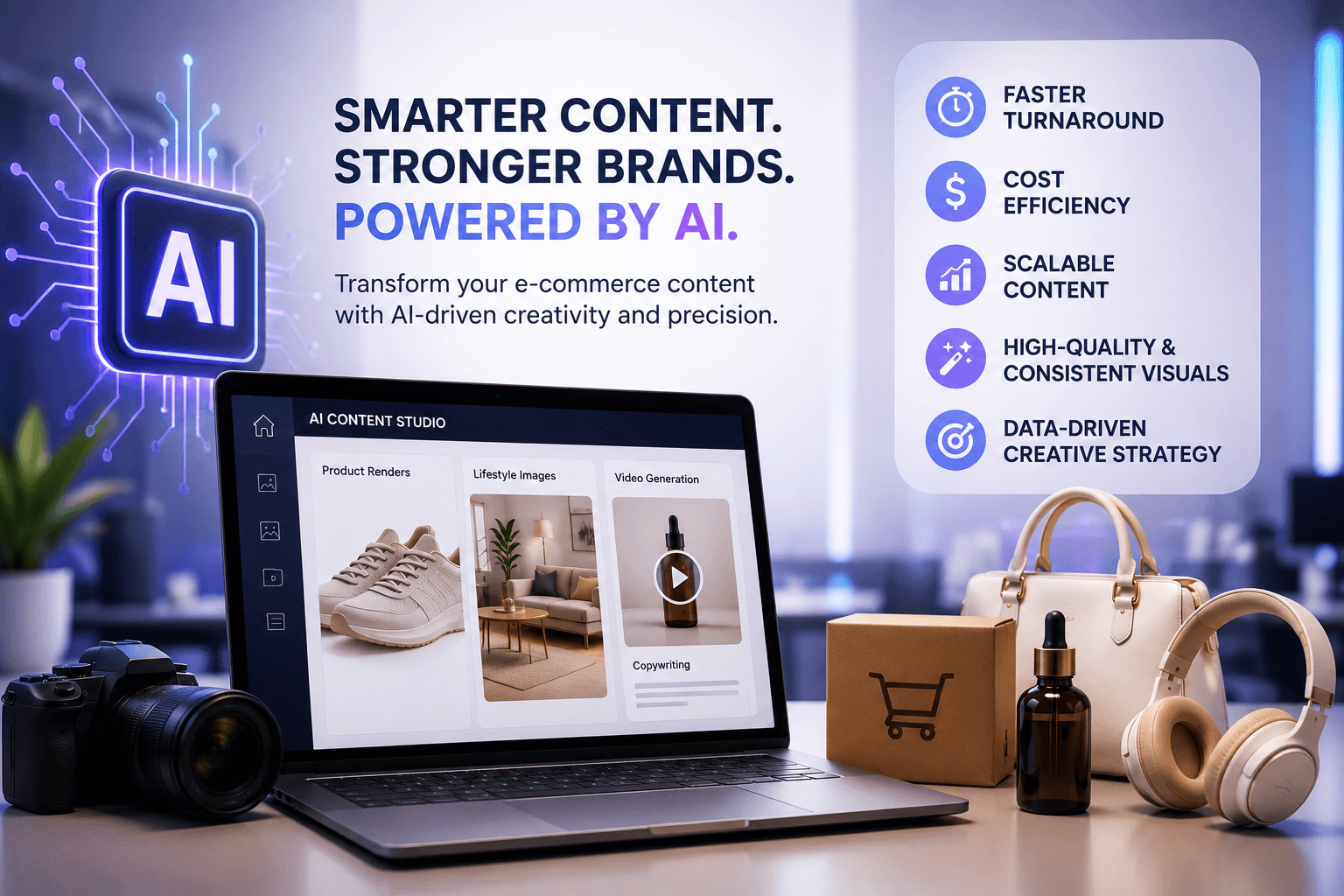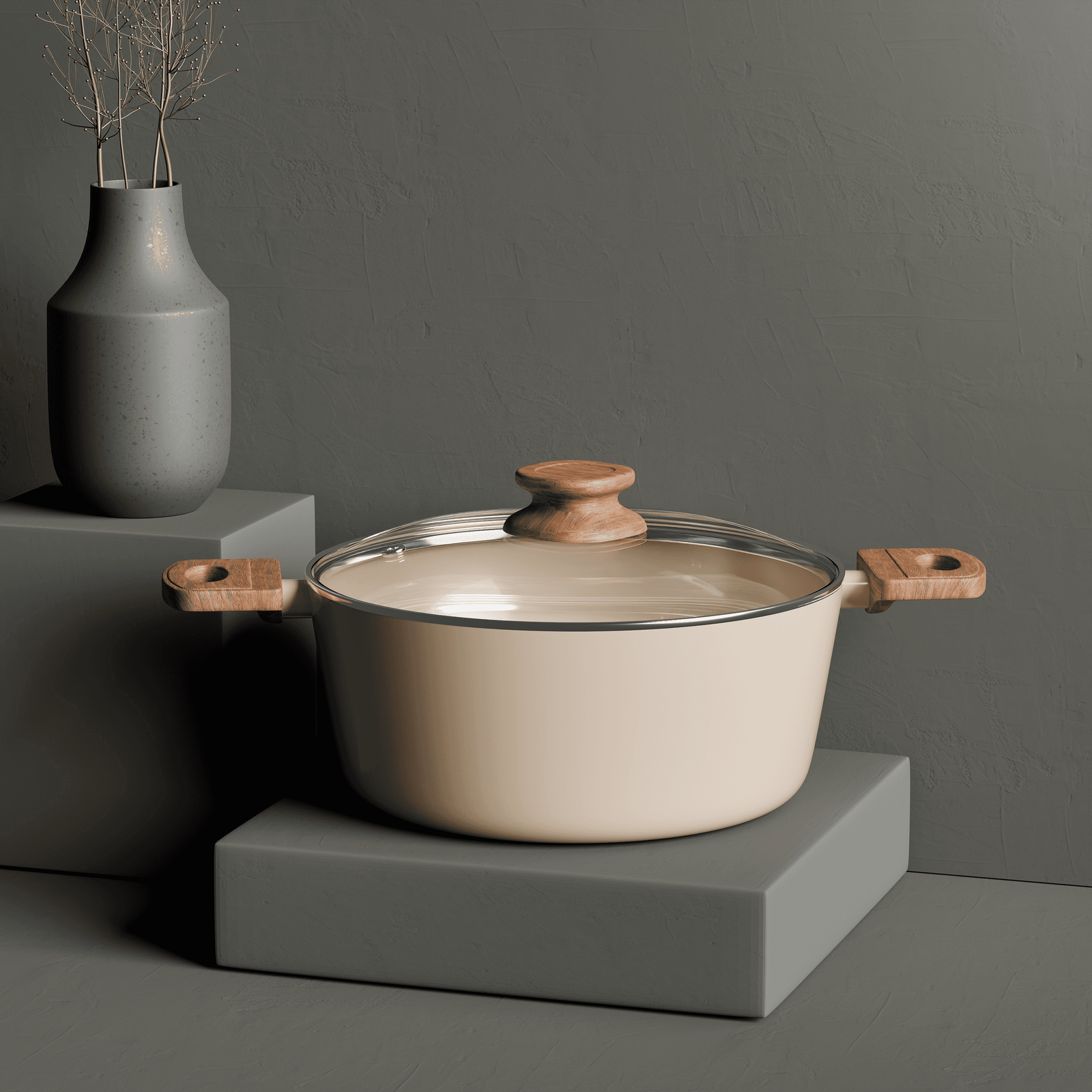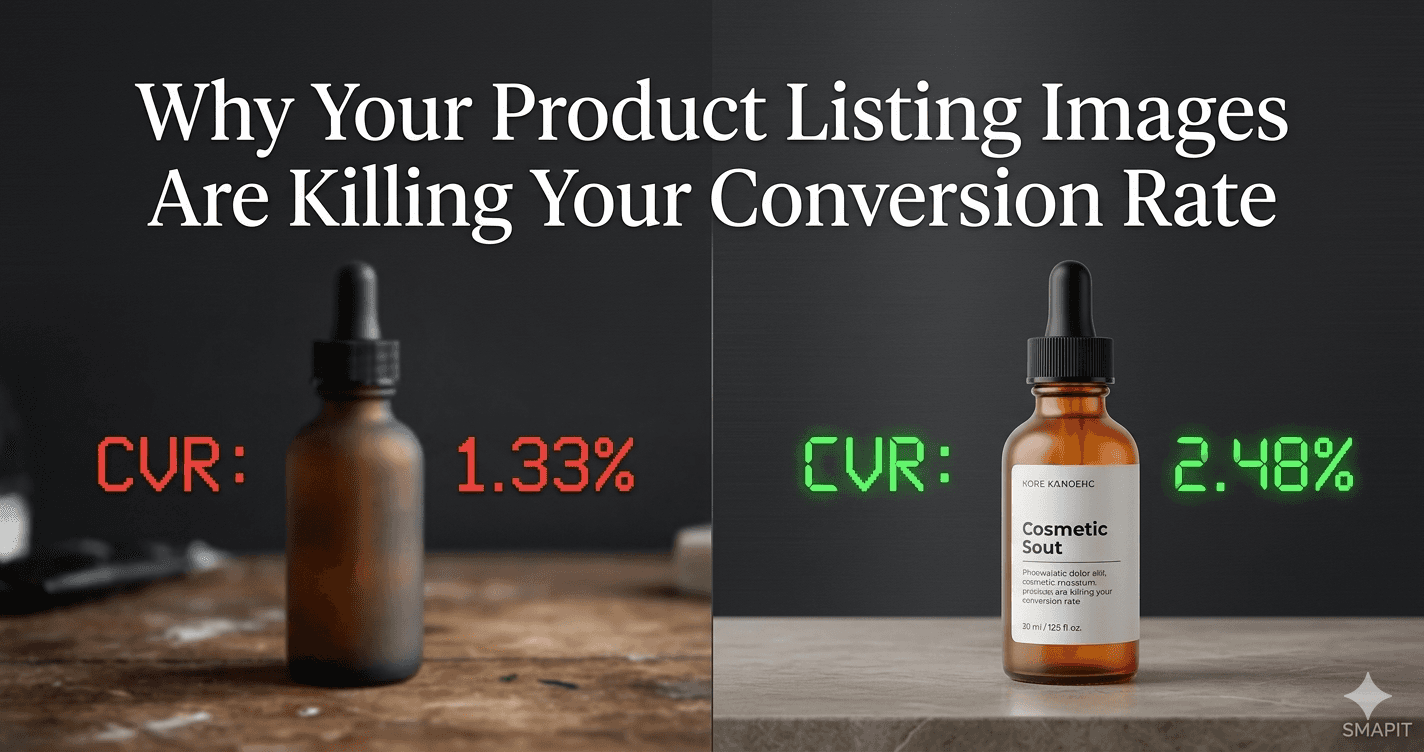

CGI product visuals convert better than photography because they remove specific reasons a customer hesitates: missing angles, ambiguous materials, inconsistency across a range, and the gap between the ad and the PDP. Each of those hesitations shows up in the conversion funnel; each of them is solvable in a render.
1. They cover every angle that matters
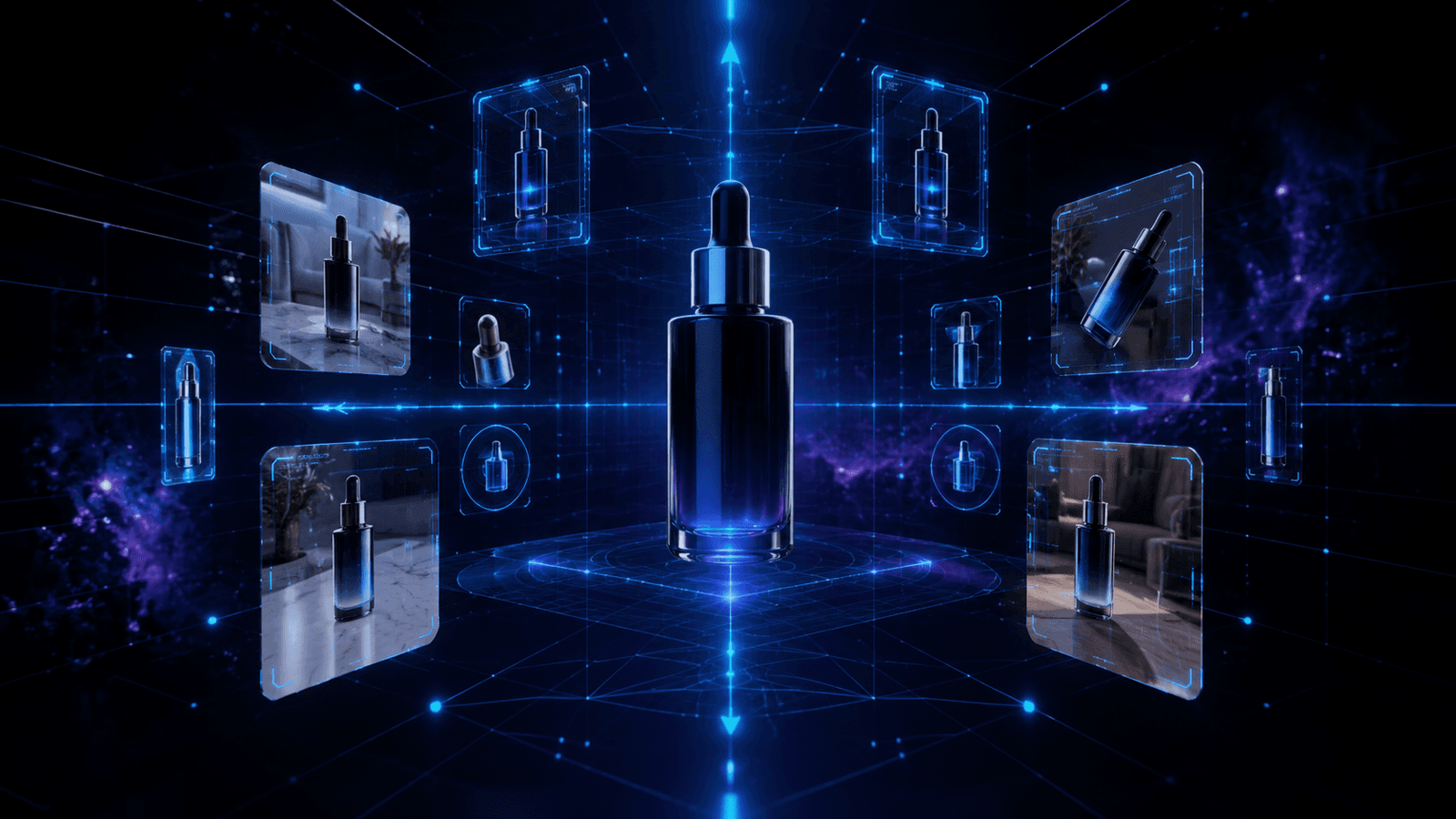
A shoot captures the angles the photographer had time for. A render covers every angle the model can be pointed at, because rendering one more view costs almost nothing on top of the first. Comprehensive angle coverage tends to lower bounce and lift add-to-cart, because the questions a customer would have asked answer themselves in the gallery.
2. They read as the right material
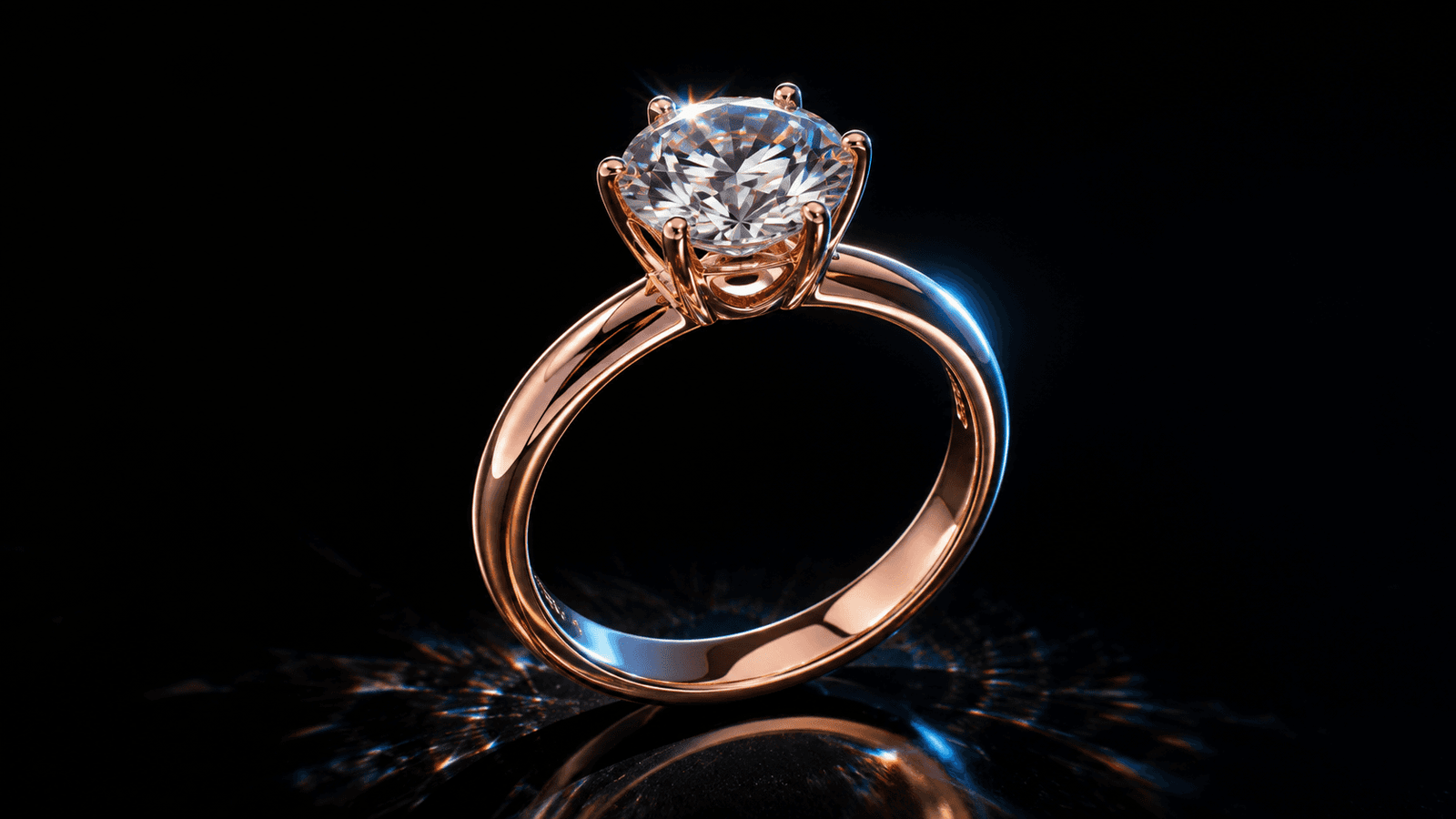
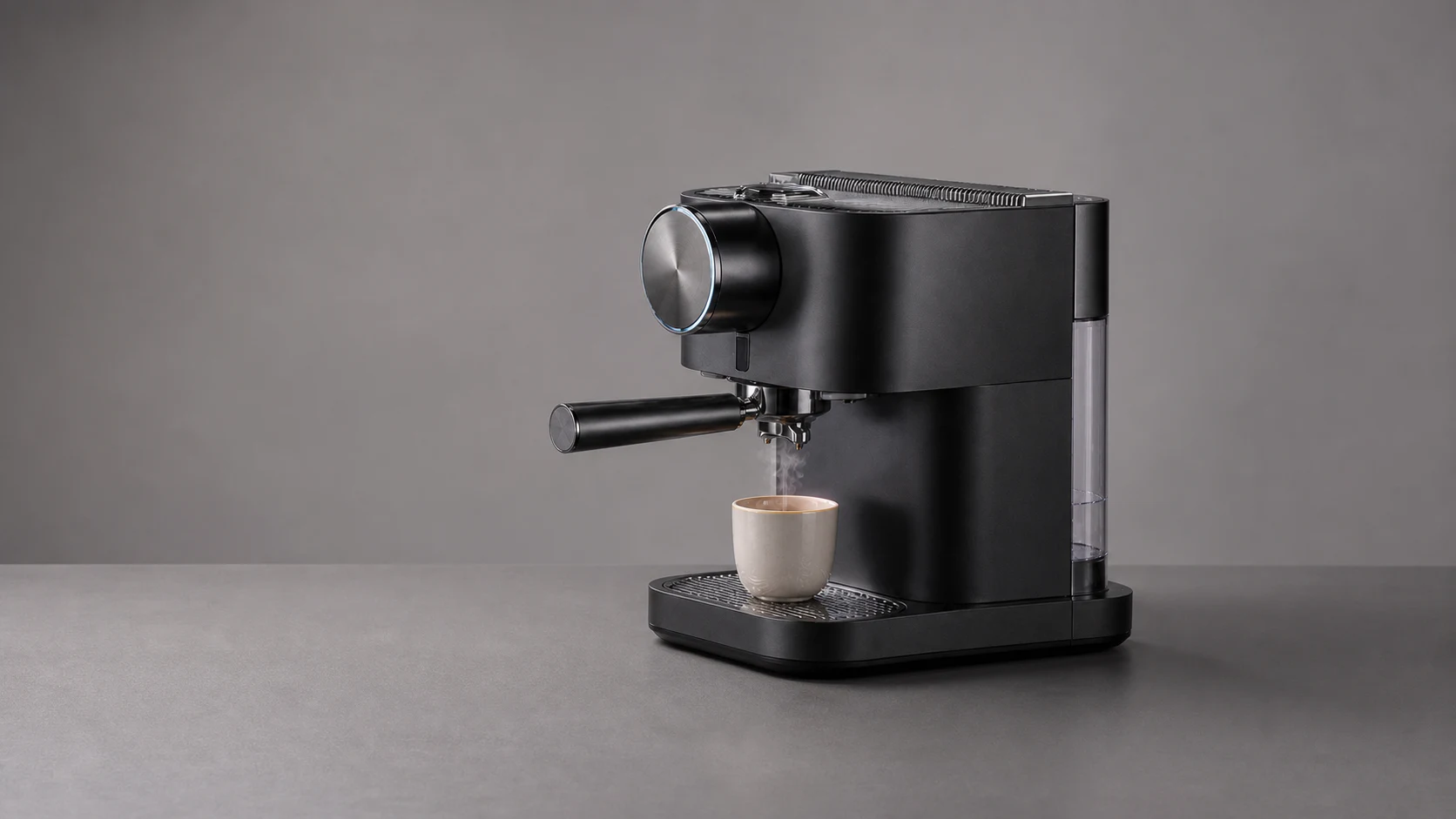
Glass looks like glass. Matte looks matte. Brushed metal looks brushed. Physically accurate materials close the trust gap between a screen and a product in a box. Shopify's own data on interactive 3D showed a 94% higher conversion rate versus 2D imagery, the effect is not subtle.
3. The range holds together
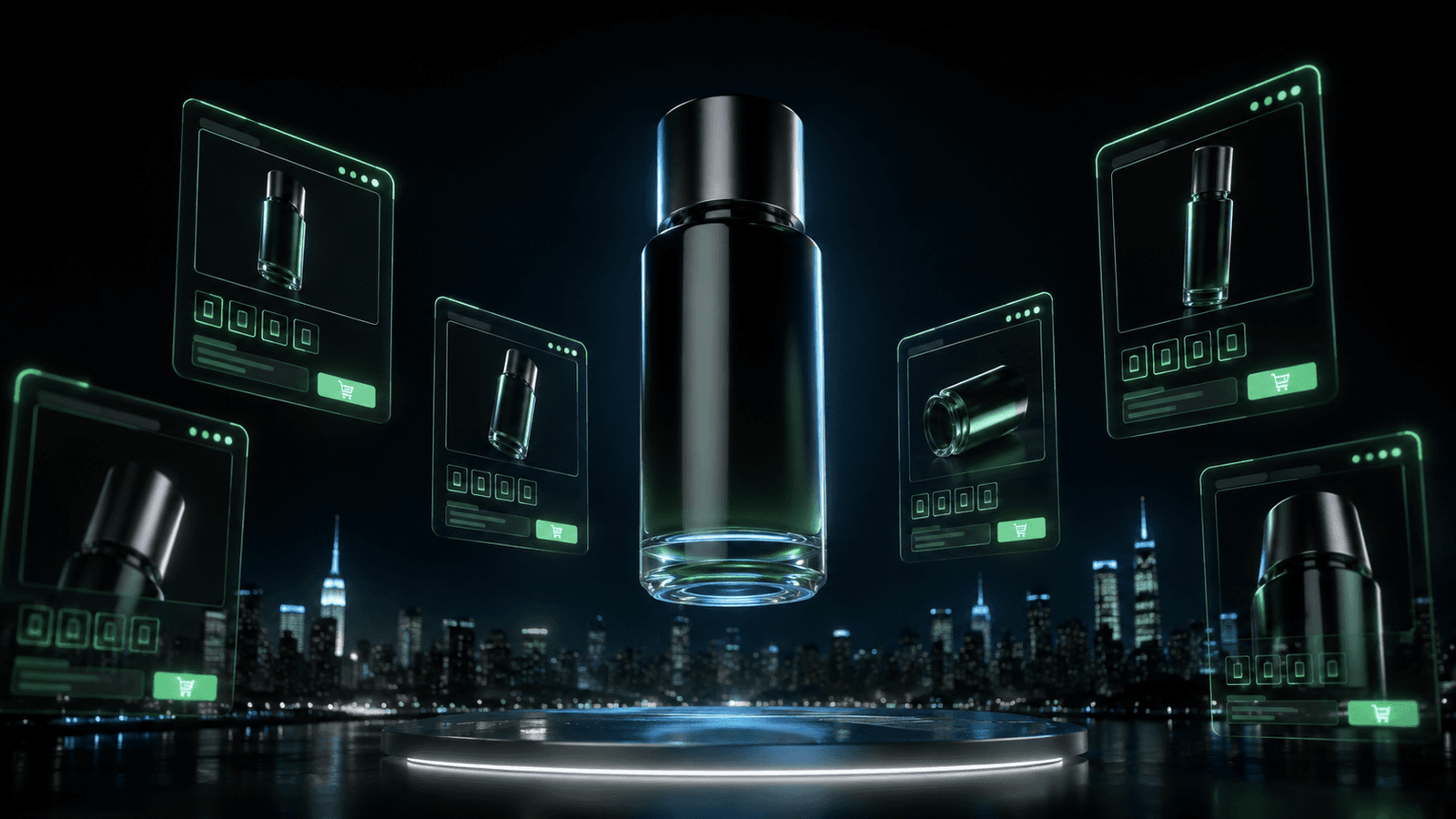
Every SKU in the catalogue is lit and framed on the same rig. That consistency is itself a trust signal; brands that migrate a whole catalogue to CGI usually see cross-sell and upsell lift alongside the primary conversion lift, because the range starts reading as a range.
4. Returns go down, which is a conversion in disguise
The single most quoted reason for a return is 'the colour was different from the image'. Accurate rendered colour and material has been shown to cut return rates by up to 40% in some ecommerce categories. Every prevented return protects the margin the conversion earned.
5. Lifestyle context that used to be uneconomic
The product placed on a marble counter, in a kitchen scene, on a bathroom shelf. Imagery that a location shoot could produce, but rarely at the pace and price ecommerce actually runs at. In CGI, an environment is a scene file, so aspirational context becomes affordable.
6. Ad creative that outperforms the shoot it came from
One 3D model produces ten background colourways, five lighting moods, three camera angles and two lifestyle environments for the cost of the renders. That volume is what modern paid platforms need to actually optimise. Reported result: higher CTR, lower CPA versus photography-fed accounts.
7. Premium perception, which lifts AOV
Premium brands invest in premium imagery. CGI positions a brand visually alongside the premium tier regardless of price point, and that positioning tends to increase average order value and full-price sell-through. It is a soft effect that shows up in the hard numbers over a season.
Where CGI does not lift conversion
It is worth being straight about this. Products that sell on human moments, editorial context or documentary authenticity are not obviously better as renders. CGI wins hardest where the customer is buying a physical object whose material, finish and detail have to be right, which describes most of ecommerce, but not all of it.