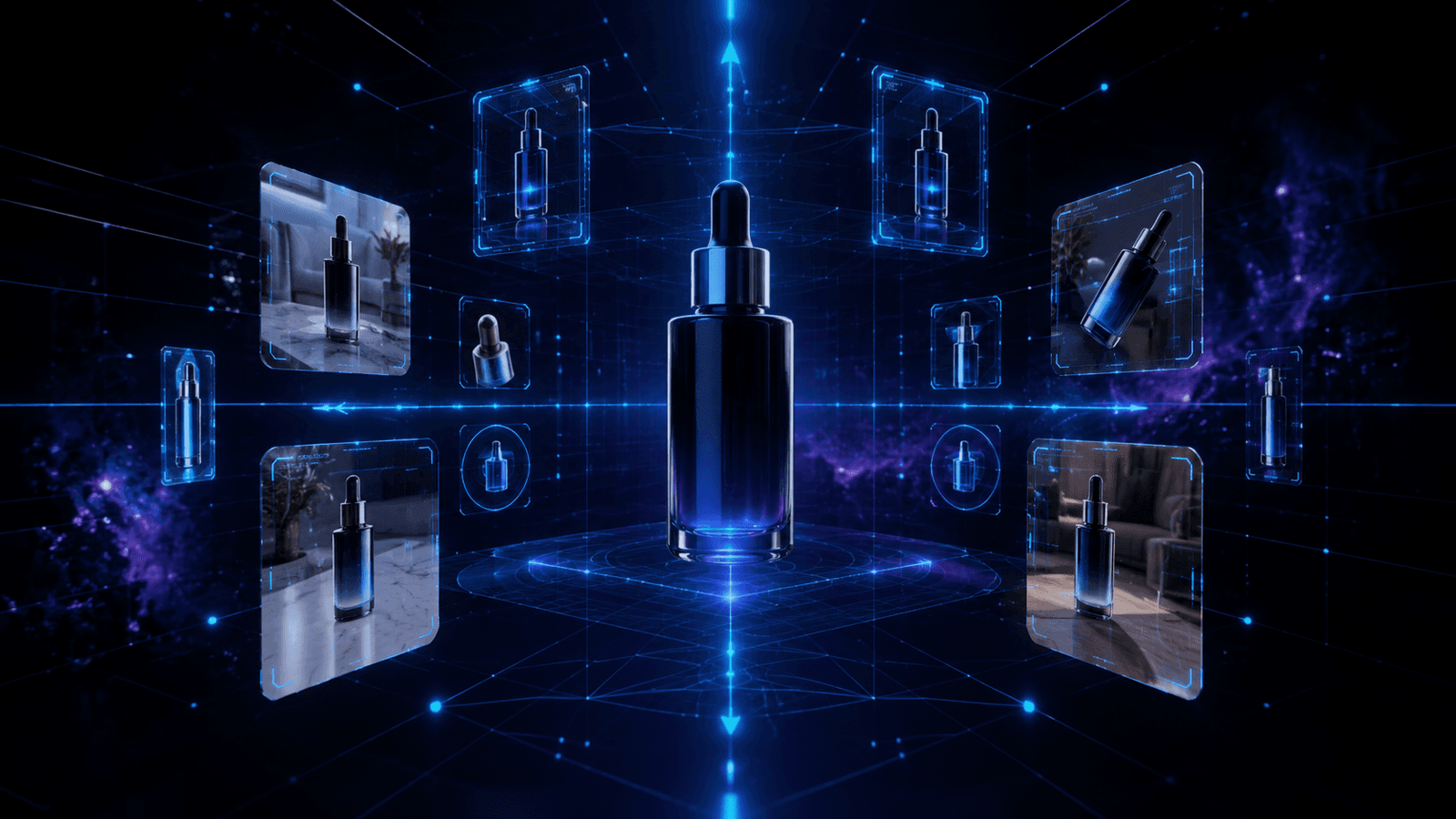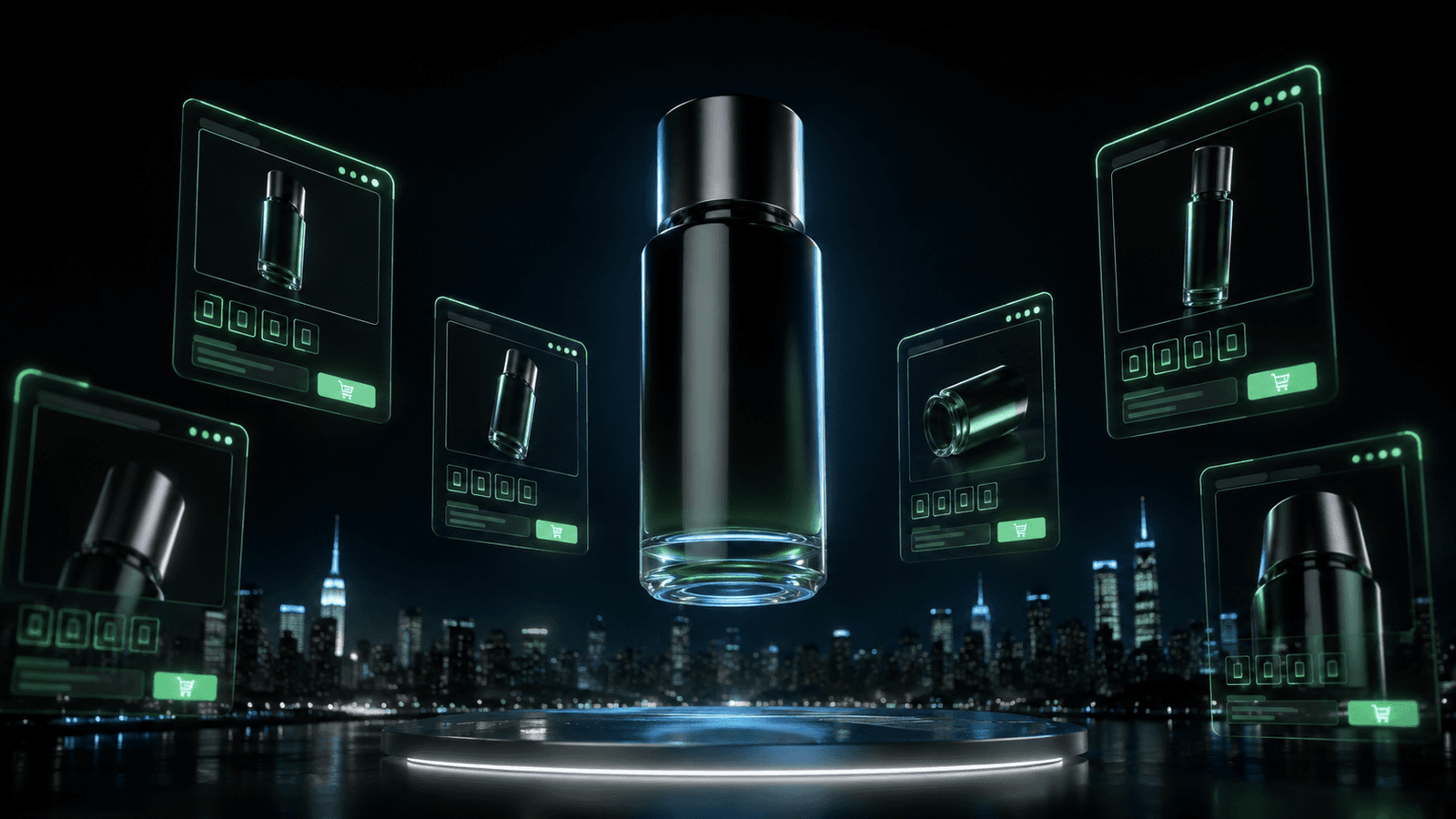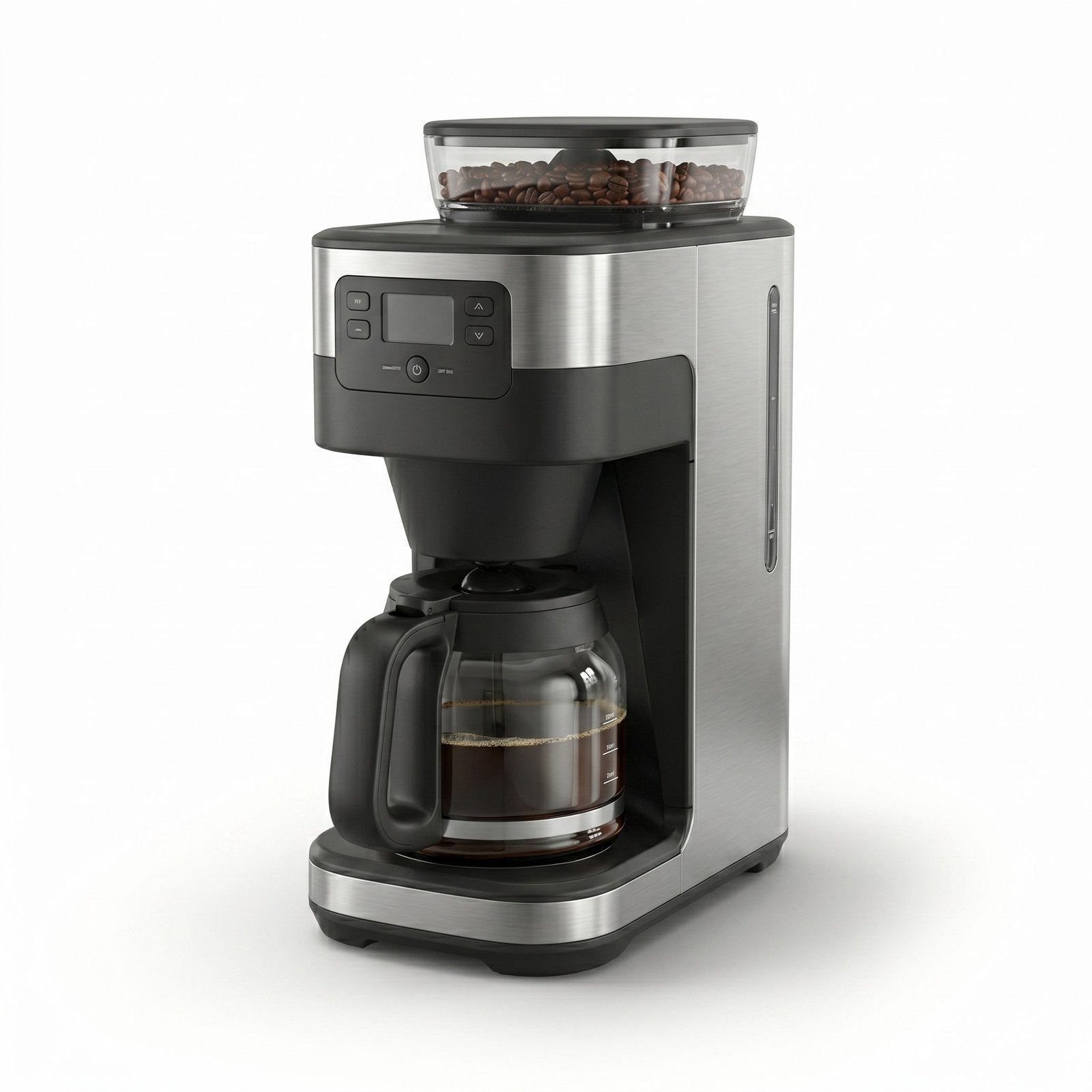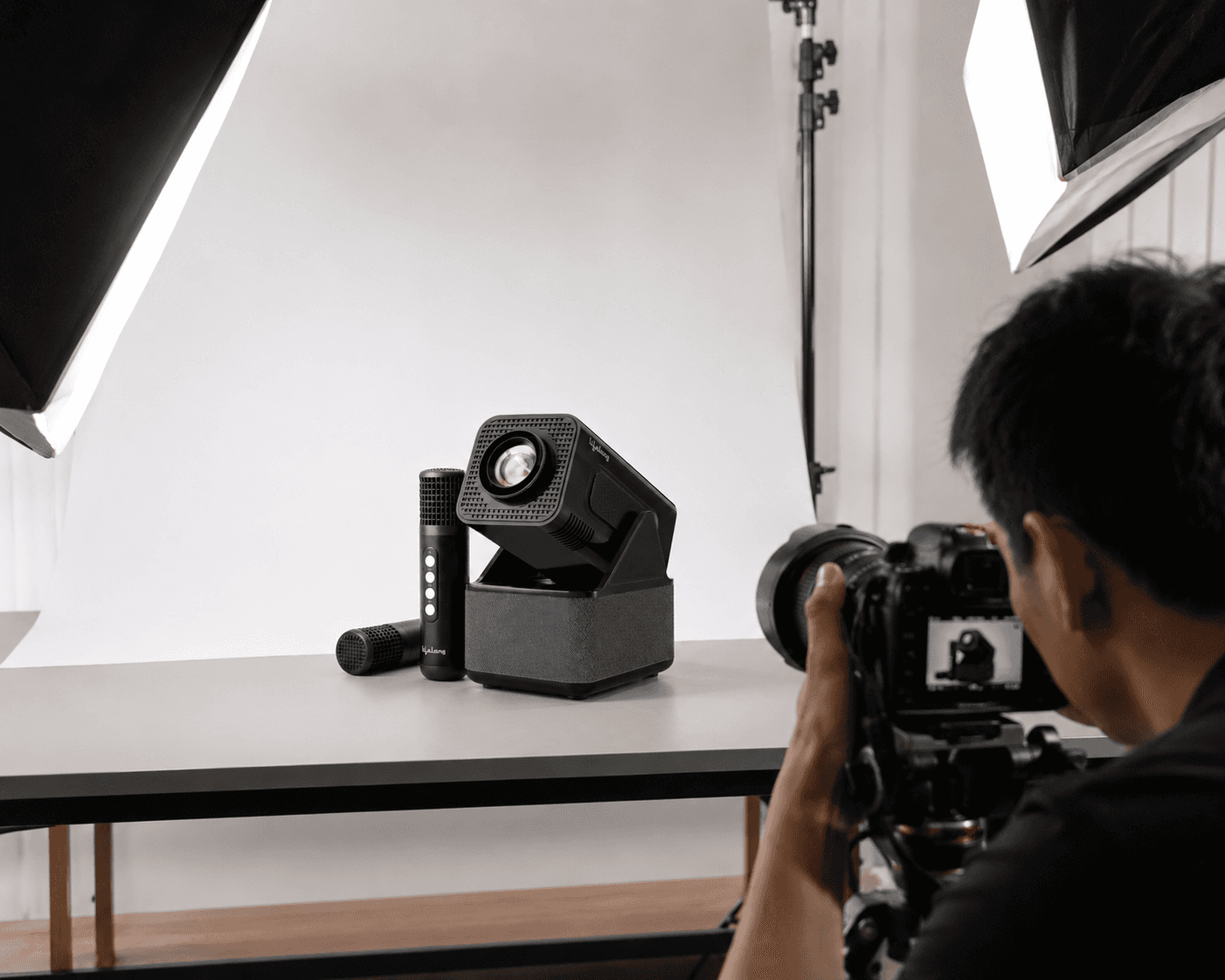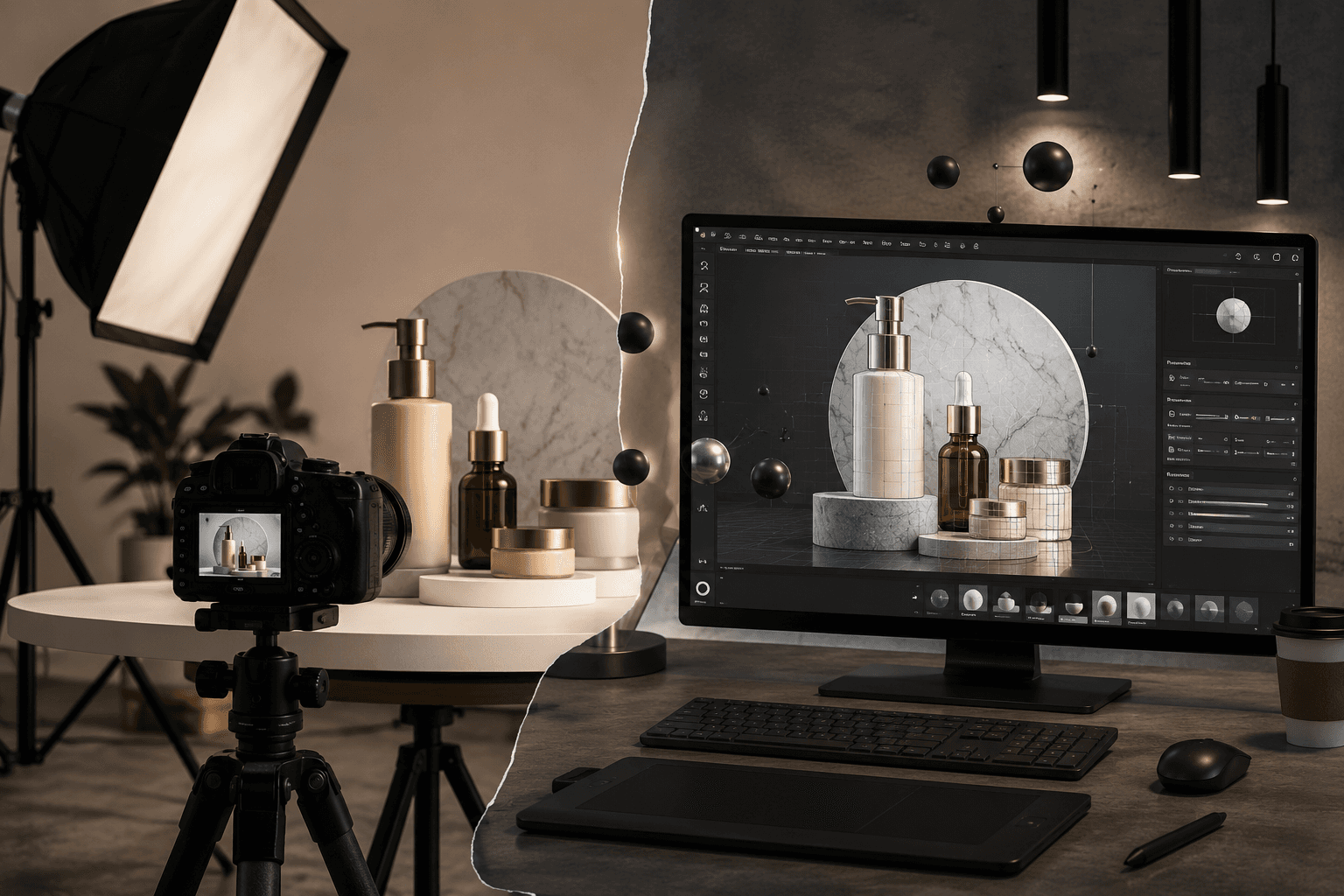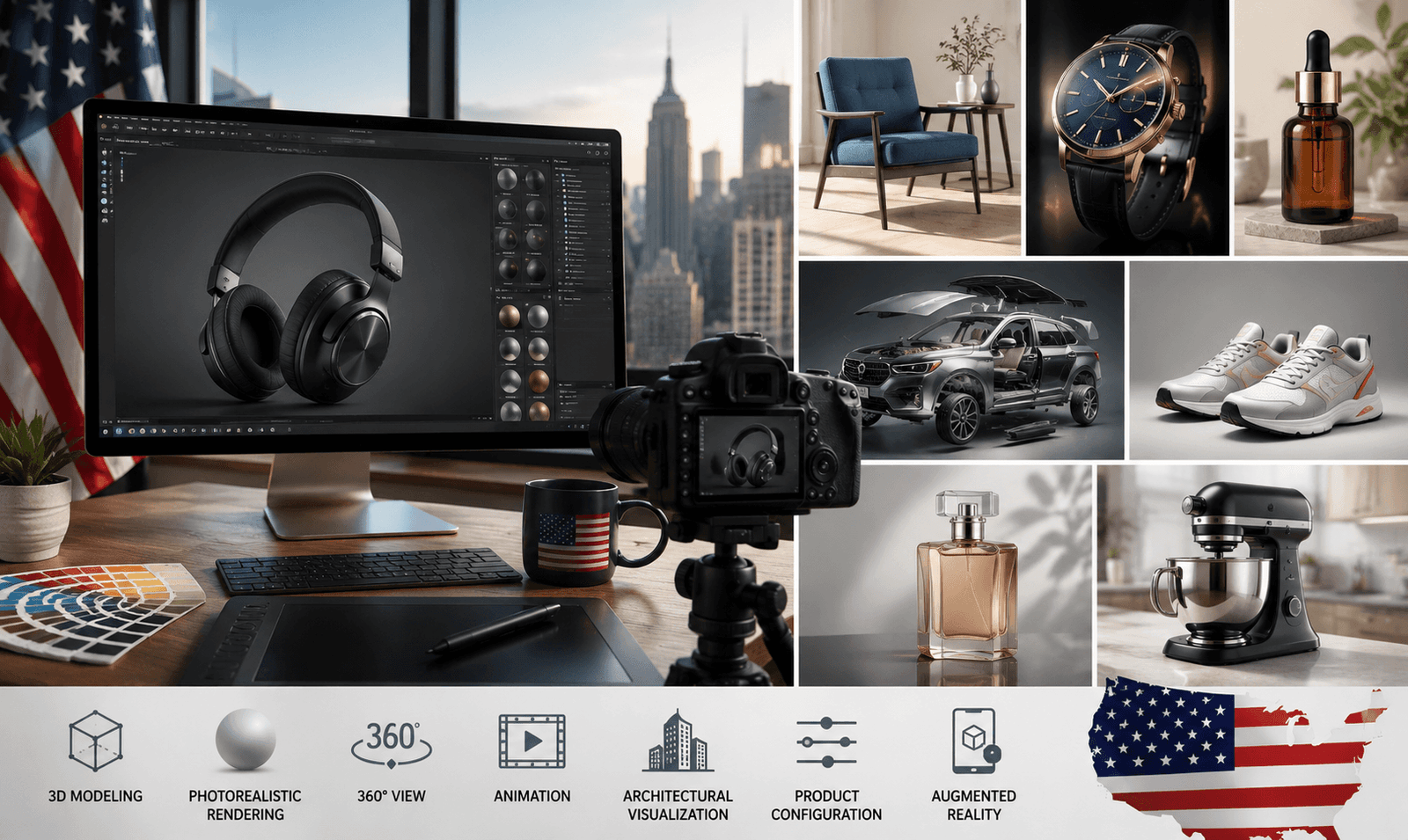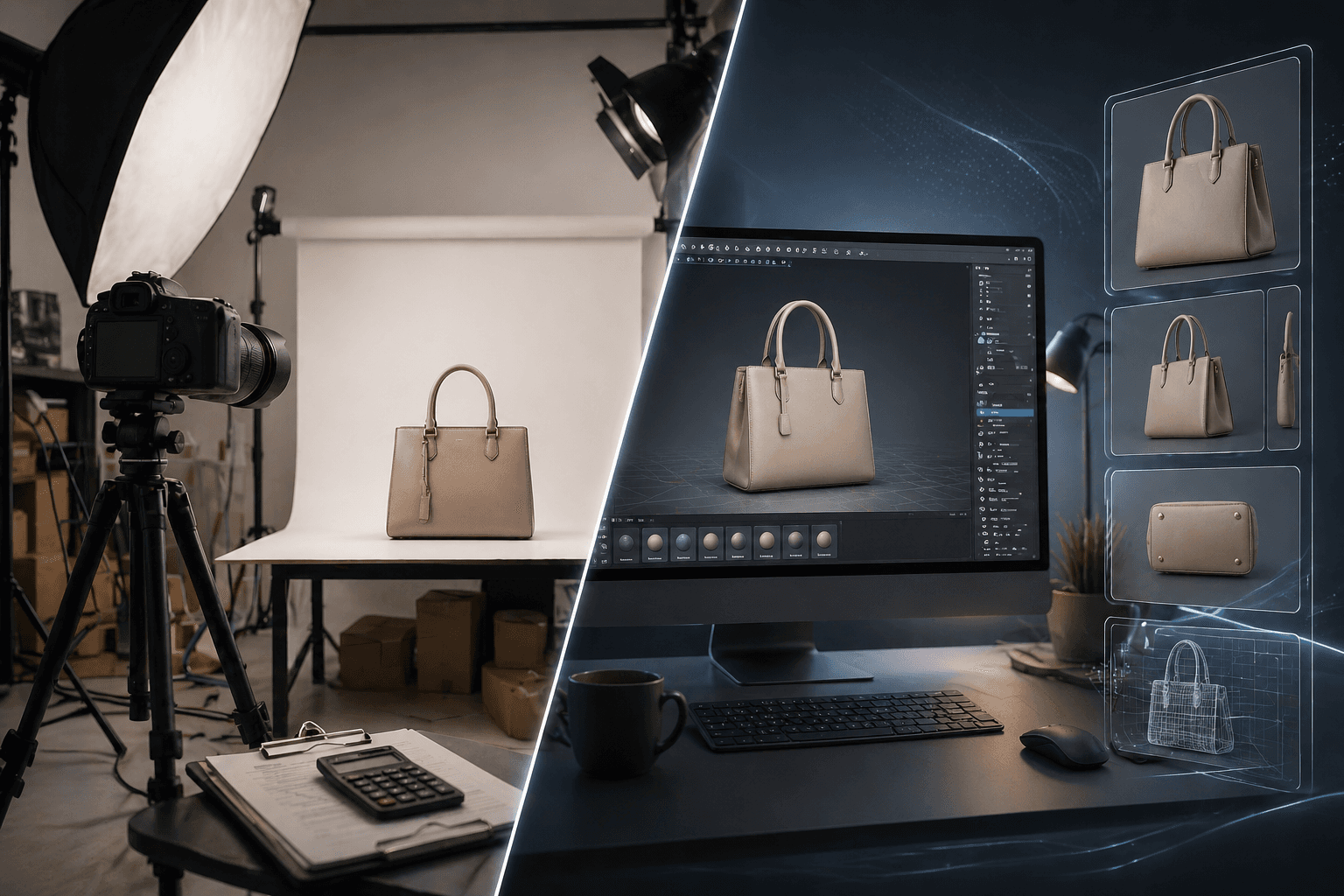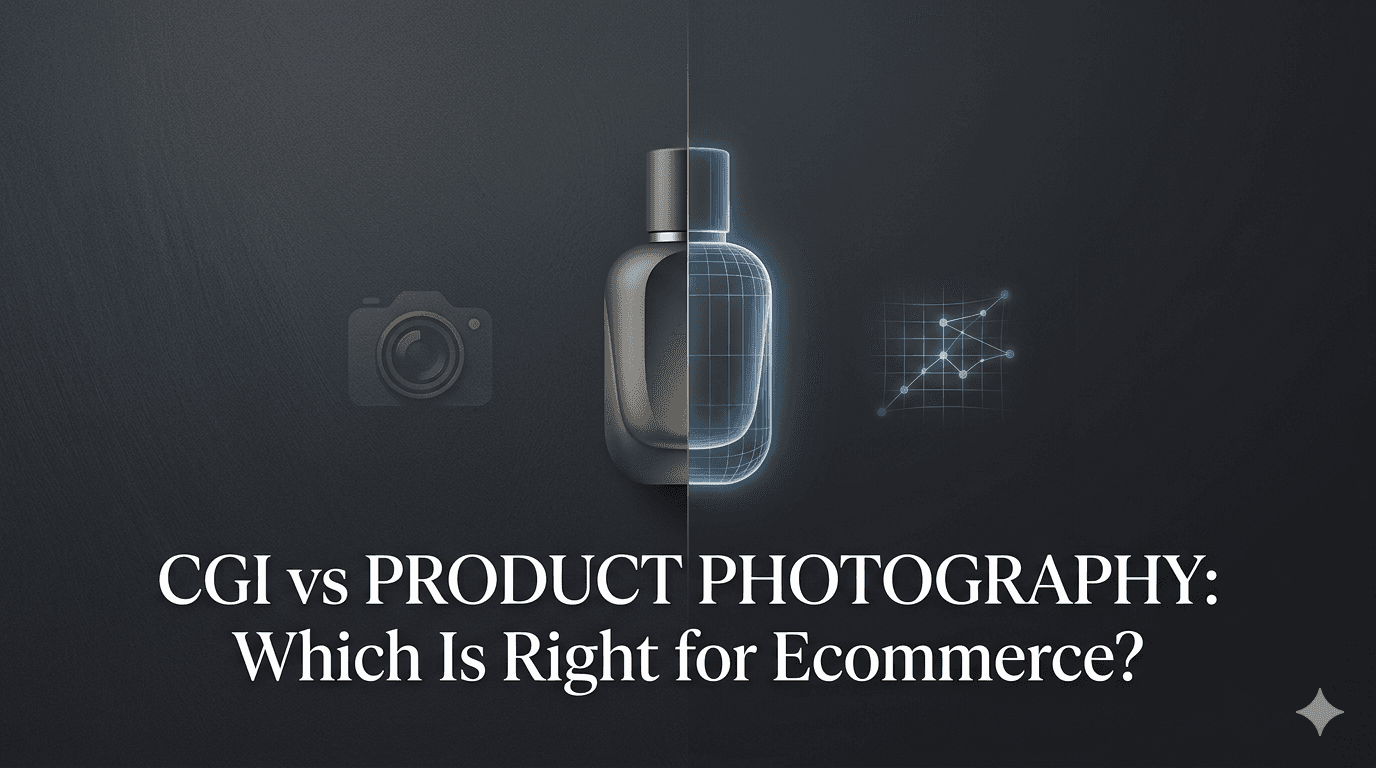

3D product visualisation is where e-commerce is going because it is the only production pipeline that gets cheaper per image as a brand scales. Photography charges per angle, per day and per reshoot. A 3D model is built once and then supplies everything the catalogue, the PDP, the ad and the AR view need.
1. Photography costs stop being the ceiling
A single professional product shoot runs anywhere from ₹15,000 to ₹2,00,000 or more depending on category and complexity. Moving that catalogue to 3D typically cuts visual production cost by 60 to 70% at scale, because the master model is a fixed cost that every future render draws from.
2. Photorealism, but consistent
Physically based rendering handles light and material the same way at image one and image ten thousand. Photography quality drifts across shoots because the studio, the day and the operator change. In a 3D pipeline the rig does not.
3. No physical constraints on the set
A digital environment costs nothing to build compared to a real one, and once built it can be relit and redressed for the next campaign. Set construction, prop hire, location fees and travel days come off the budget entirely.
4. Variants become trivial
Colour, finish and configuration changes are material and texture edits in software instead of production runs on a set. The full variant grid can go live at launch instead of arriving in waves as budget allows.
5. Time to market compresses
A standard SMAPIT delivery is 7 to 9 images per SKU in 3 to 5 business days, against 2 to 4 weeks on traditional photography. That difference is what makes a marketing team's calendar match the product team's calendar instead of trailing it.
6. AR comes for free
A 3D model already carries the geometry an AR view needs; the export becomes USDZ for iOS, GLB for Android and WebAR for the browser. Shopify has reported that interactive 3D and AR content drives conversion rates up to 94% higher than static imagery.
7. One asset produces every content format
Silo images, lifestyle scenes, A+ modules, 360 views, animations, ad creatives and social crops all draw from the same model. Nothing has to be rebuilt or reshot to move a product from a listing page to a paid campaign to a retail deck.
8. Brand consistency lifts revenue
Research on brand presentation puts the revenue lift from a consistent identity at up to 23%. Because every render off the same rig shares lighting, materials and camera behaviour, that consistency is a pipeline property rather than a management effort.
9. It works before the product physically exists
A model can be built from CAD files and technical drawings, so listings, ads and organic content can be produced while the first production run is still in a factory. Photography cannot do this because it needs a sample in a room.
10. Conversion mechanics that actually show up in the numbers
A+ content increases conversion by up to 8% on Amazon's data. Interactive 360 views raise engagement and conversion. AR-enabled listings return less. These are not soft effects; they are the reason the pipeline pays for itself.
Where photography still earns its place
Human, editorial and documentary imagery that will not be reissued does not need a reusable 3D asset. The ten reasons above describe why the rest of the catalogue is moving, not why cameras are obsolete.