
SMAPIT builds 3D, CGI and AI product content for eight consumer-brand verticals: D2C ecommerce, beauty and skincare, fashion and accessories, baby and kids, consumer electronics, home appliances, fitness and wellness, and automotive. Every vertical has its own hard problem to solve in the render. Refraction through a beauty bottle, fitment on an auto part, honest scale on a treadmill. We model the product once, then ship it to Amazon, Shopify, Meta, TikTok, Noon and amazon.ae without a reshoot.
One pipeline, tuned to what each category demands.
The capability is the same across every vertical. What changes is the problem it has to solve, and how the accurate-3D method adapts to your category.
- 01
The category's hard problem, solved in the render
Refraction through a beauty bottle, fitment on an auto part, honest scale on a treadmill. Each one gets simulated in the render, not fought for on a set.
- 02
One accurate master, every channel
Model the product once, then the listing set, the launch creative and the ad variants all export from the same file. A new colourway or marketplace is a re-render, not a booking.
- 03
Variants without reshoots
New finishes and colourways come off the existing scene as material swaps, lit and framed identically, so the tenth variant costs a fraction of the first.
- 04
Context built, not booked
A fitted kitchen, a nursery, a home gym. The environment is built around the product, so lifestyle imagery never depends on finding, dressing and shipping to a real location.
Pick your category.
The same accurate-3D pipeline, tuned to what each category needs from its product content. Choose where you sell and we’ll show you how we’d build for it.
Commerce & Lifestyle
04- D2C & EcommerceLaunch and scale a full catalogue of product content.A whole catalogue, one consistent rig
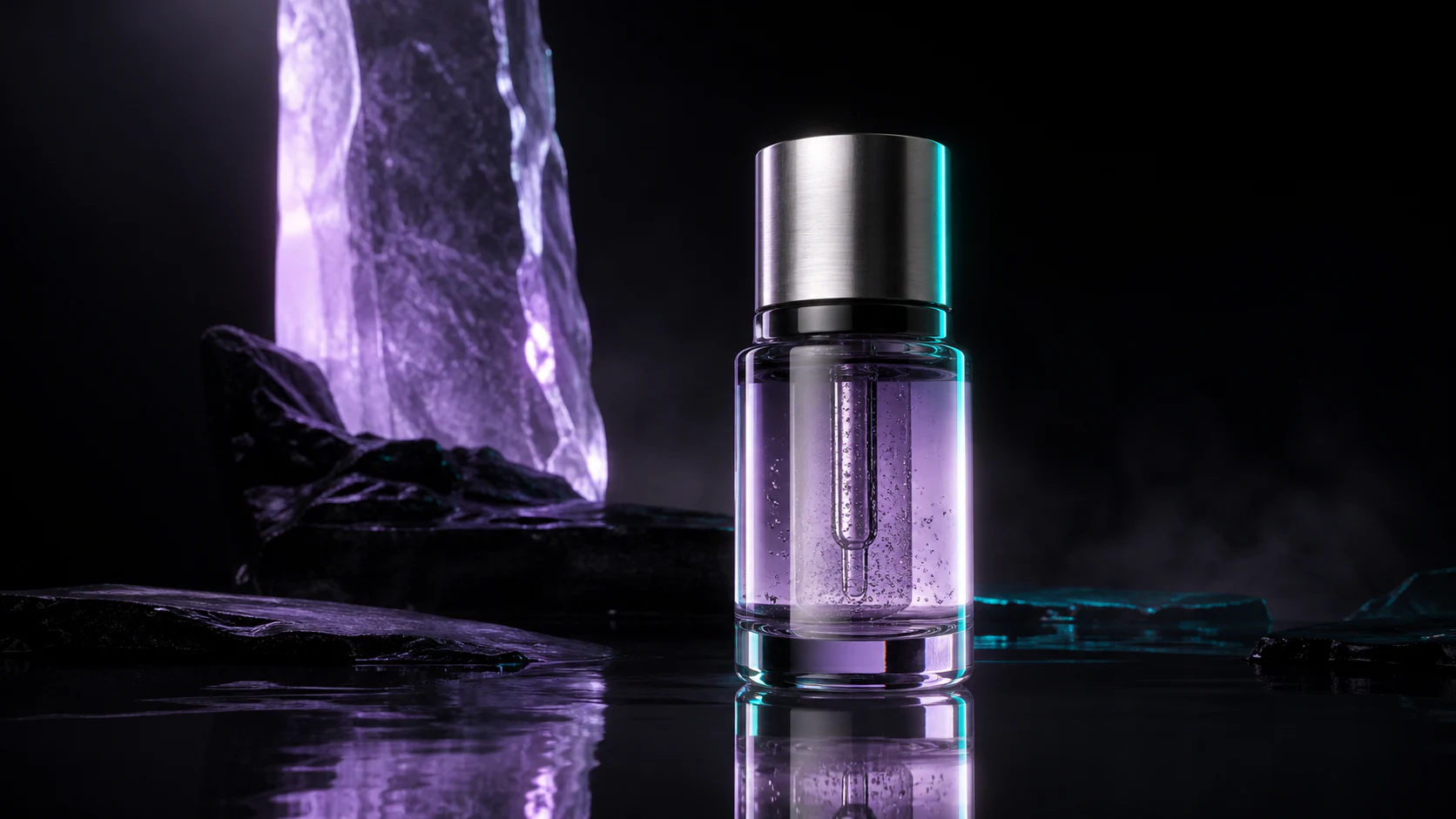
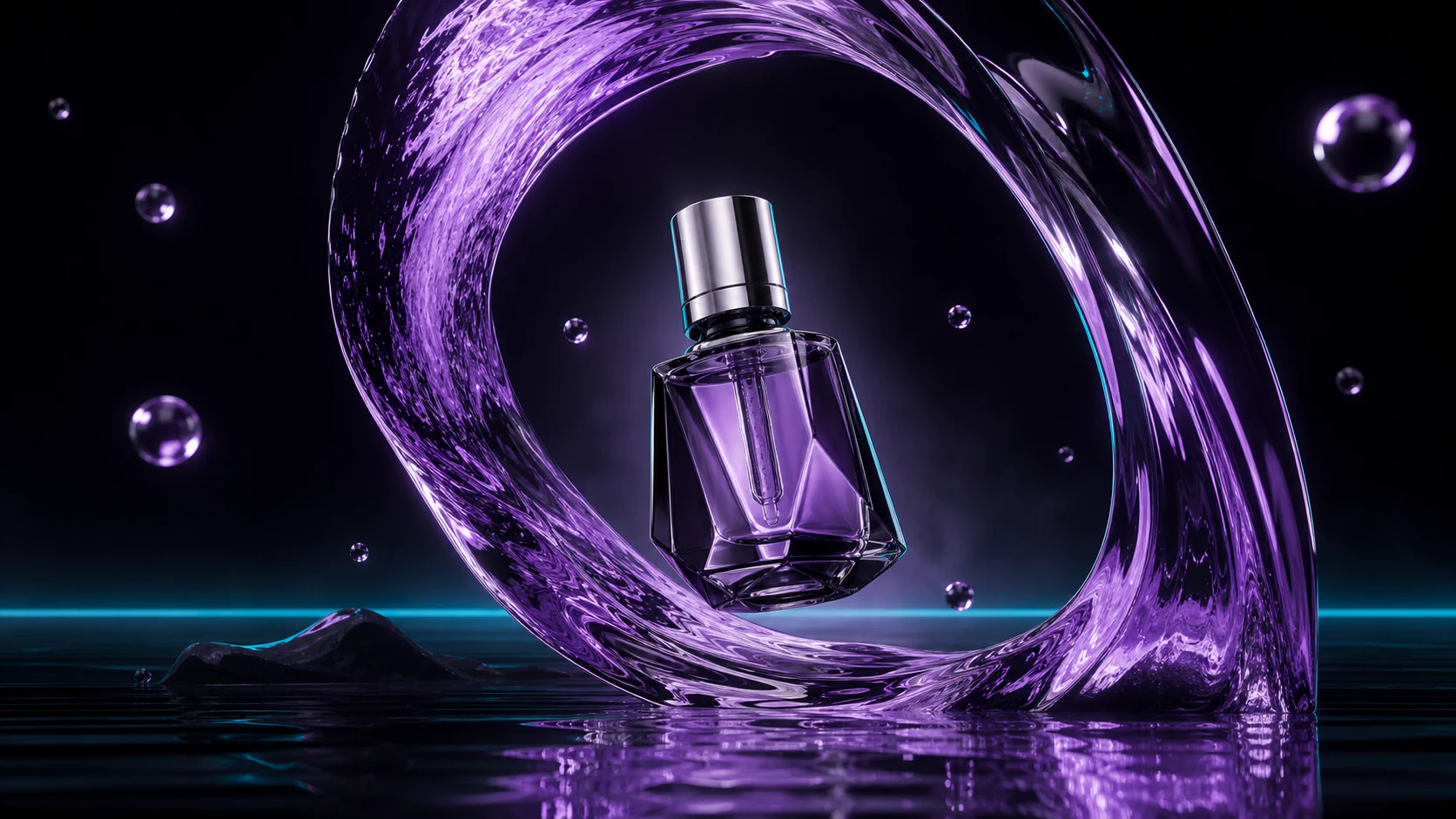
- Beauty & SkincareGlass, liquid and texture, solved in the render.Refraction through glass and liquid
- Fashion & AccessoriesFabric, leather and finish across a full range.Material and stitch that survive the zoom
- Baby & KidsSafe, clear product storytelling parents trust.Mechanisms, scale and safety, shown
Hardware & Durables
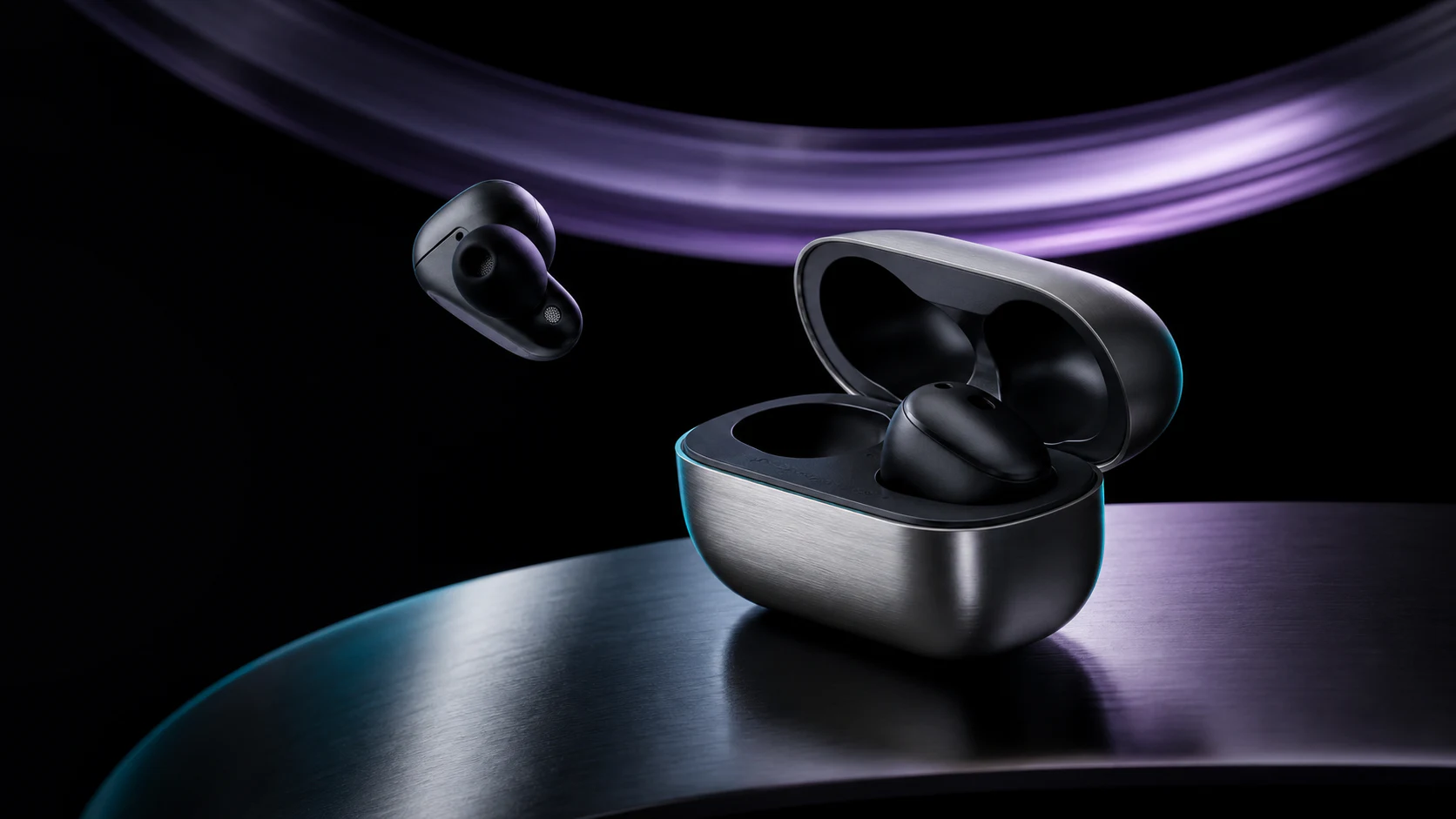
04- Consumer ElectronicsMetal, anodised finishes and hero detailing.Metal and anodised finishes, side by side
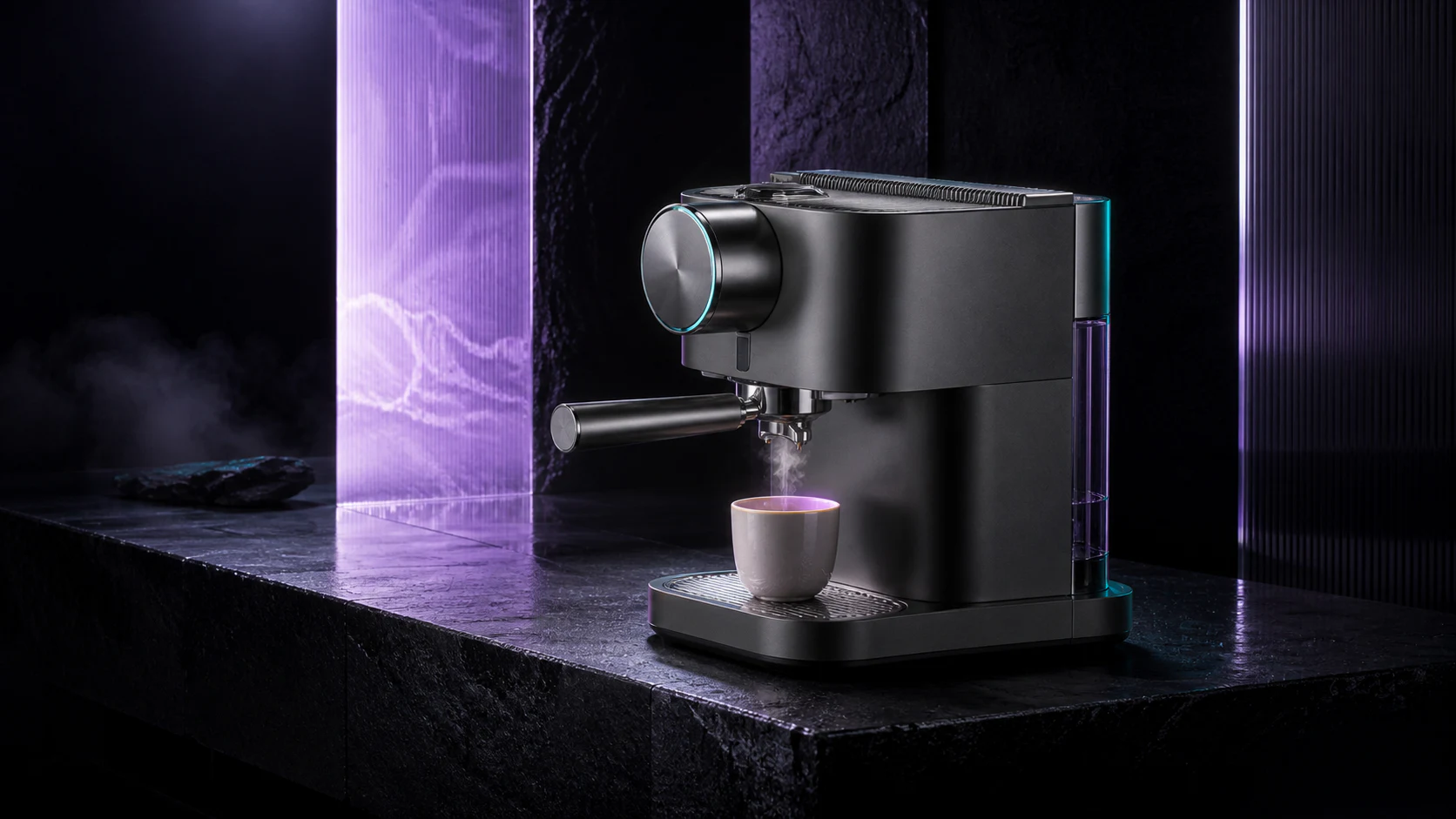
- Home & AppliancesLifestyle scenes and catalogue scale from one master.Big products in real rooms, no location
- Fitness & WellnessLarge equipment shown without a studio booking.Large equipment at honest scale
- Automotive & MobilityParts, accessories and service-led product visuals.Fitment, parts and finish, exact
The category-specific questions we get.
Real fit-check and cost questions from D2C founders, brand managers and ecommerce leads across India, the US and the UAE. Answered with the numbers and 2026 category signals we actually work to.
- 01
Which industries does SMAPIT work with?
SMAPIT builds 3D, CGI and AI product content for eight consumer-brand verticals. Those are D2C ecommerce, beauty and skincare, fashion and accessories, baby and kids, consumer electronics, home appliances, fitness and wellness, and automotive. We also occasionally take on food and beverage, pet, jewelry and eyewear projects where the brief fits our pipeline. The common thread across all of them is a physical product that has to look right across Amazon, Shopify, Meta, TikTok, Noon and amazon.ae.
- 02
Do you work with D2C and Shopify brands?
Yes. D2C is the highest-volume vertical we serve, and Shopify slots into the same pipeline as Amazon. 50+ consumer brands including Agaro, Lifelong, Mivi and LuvLap ship listing sets, launch films and Meta and TikTok ad batches with us. The 3D master fits neatly into a Shopify workflow: hero renders for the PDP, listing-image sets for Amazon and marketplace crops, campaign visuals for paid ads, and 3D viewer files if you want the interactive listing badge. Quick-commerce square formats for Zepto, Blinkit and Instamart export from the same file.
- 03
Can you produce CGI for beauty, skincare and cosmetics packaging?
Yes, and refillable and mono-material packaging redesigns are one of the strongest 2026 briefs coming into the studio. Cross-section, refill-state and ingredient-storytelling renders are the exact edge cases CGI handles better than a shoot. EU Packaging Regulation and US state EPR laws are driving a wave of pack-artwork updates from January 2026 onwards, which usually means every visual on a beauty listing has to be re-rendered. We build one master and export every SKU, colourway and refill state from it.
- 04
Do you make 3D product content for consumer electronics and home appliances?
Yes, both are core verticals with different content shapes. Electronics launches ride on the twelve-reviewer window (MKBHD, LTT, MrWhosetheBoss, The Verge, CNET and peers) which decides Amazon rankings for the next 24 months, so launch-ready CGI has to exist weeks before samples do. We work straight from CAD for pre-launch content. For appliances the wins are installation and assembly animations, smart-home connectivity visualisation, and India-market tier-2 content sized for quick-commerce delivery. Consumer brands in this space include Agaro, Lifelong, Luminous and Mivi.
- 05
Can you show examples of CGI for automotive and EV brands?
Yes. EV chargers and cable accessories are the fastest-growing D2C automotive category we work on. India’s charging network reached fast chargers every 50 to 80 km on highways in 2026, and aftermarket brands need CGI that shows the charger, mounting bracket, cable, wall-plate and companion mobile-app UI in one frame. Studio-study work in the automotive and EV space covers hero shots, exploded views, fitment simulations and 15 to 30 second product animations. See the /work wall for the current selection, filtered by automotive.
- 06
How much does 3D and CGI product content cost for a D2C brand?
The 3D model is a one-time cost, and every subsequent asset renders from it for a fraction. A simple hard-surface product model runs $200 to $800, and a complex one with articulated parts runs higher. Once the model exists, hero renders cost $60 to $250 per image, a 30-second product animation runs $3,500 to $12,000, and AI ad variants come out at a fraction of that per variant once the hero exists. D2C brands typically cut total production cost by up to 70% versus a traditional shoot at scale. Payback sits around 20 SKUs or the first colour-variant refresh.
Available for new projects
Bring us the product.
Building for your category? Send the brief and get scope, timeline and a fixed quote back within one working day.