
Eight 3D and AI product content services from one pipeline. One accurate 3D model becomes photoreal stills, CGI product photography, product animation and AI ad variants ready for Amazon, Shopify, Meta and TikTok. 50+ consumer brands ship monthly this way at up to 70% below a traditional shoot cost.
Eight capabilities.
One pipeline.
Every service runs off the same accurate 3D master. A render, an animation and an AI ad campaign all show the same product because they all render from the same file. Pick where you need to start.
3D Production
04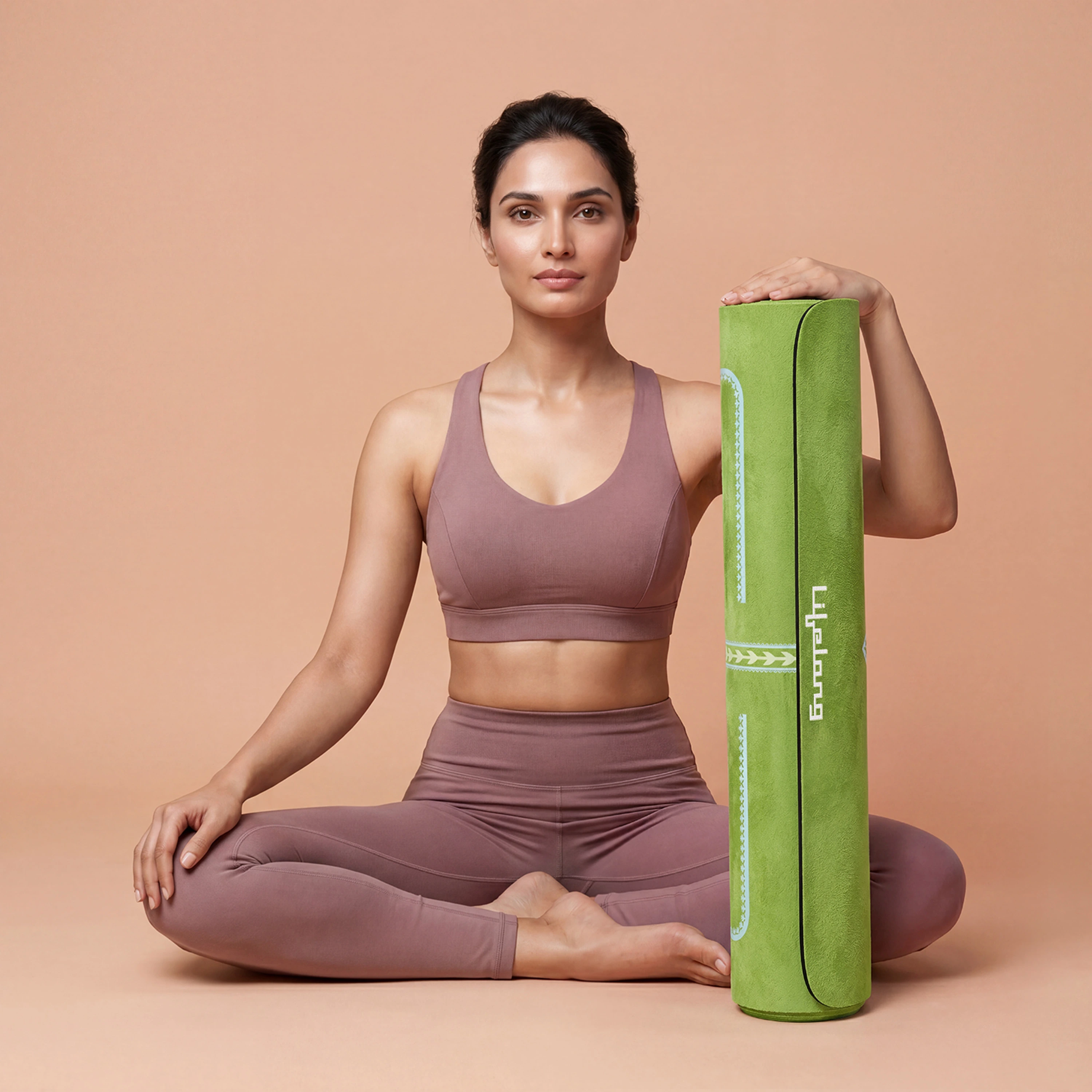
Brief and AI strategy
What the work has to do, where it will run, and which parts of it AI can carry without the output drifting.
3D concept and design
The product is modelled and the scene is designed before anything is rendered. Everything after this point refers back to it.
AI production
Controlled processes generate the volume, inside the limits the 3D master sets rather than from a prompt alone.
3D enhancement layer
Whatever AI cannot hold steady, the shape, the finishes and the product's own details, comes back from 3D.
Iterate
Changes go back into the scene file. A note on lighting or a camera move is a re-render, not another booking.
Deliver, scale and repeat
Once the master exists, the next angle, colourway or market costs a fraction of the first one.
The specifics, in plain language.
Real questions from D2C founders, brand managers and ecommerce leads across India, the US and the UAE. Answered with the numbers we actually work to, not the ones that sound good in a deck.
- 01
What does 3D product visualization actually include?
3D product visualization is the full pipeline from CAD or reference photos to a photoreal digital product asset. At SMAPIT it covers eight services from one 3D master: 3D product modeling, 3D product rendering, CGI product photography, 3D product animation, AI ad variants, ecommerce listing images, and CGI campaigns. The 3D model is built once, then every subsequent still, animation and ad variant renders from the same file, which is how the same product stays consistent across Amazon, Shopify, Meta and TikTok.
- 02
How is CGI product photography different from a traditional shoot?
CGI product photography uses a 3D model instead of a physical product, camera and studio day. For 50 SKUs, a traditional shoot averages $500 to $2,000 per image and 3 to 4 weeks of studio time. The same set from CGI runs $60 to $250 per hero image once the 3D model exists, with new colourways, backgrounds and campaigns rendered from the same asset at no re-shoot cost. Payback usually sits at 20 SKUs or the first colour-variant refresh.
- 03
What deliverables do we get on a 3D product content project?
Every project delivers the working 3D master plus the campaign-ready outputs you scoped for. Typical deliverables include the 3D scene file, PBR textures, hero renders at print resolution, listing image sets crop-sized for Amazon and Shopify, PDP gallery frames, product animations in 15s, 30s and 60s cuts, and AI variant batches sized for Meta, TikTok and YouTube Shorts. The 3D master is yours at the end of the engagement, so future refreshes render from the same file.
- 04
How much does 3D product content cost per SKU?
The 3D model is a one-time cost; every subsequent asset renders from it for a fraction. As a rough band: a simple hard-surface product model runs $200 to $800; a complex one with articulated parts runs higher. Once the model exists, hero renders come in at $60 to $250 per image, product animations at $3,500 to $12,000 for a 30-second cut, and AI ad variants at a fraction of that per variant once the hero exists. Brands typically cut total production cost by up to 70% versus a traditional shoot at scale.
- 05
How long from brief to first delivery?
A single hero render usually ships in 5 to 8 working days from brief. A 30-second 3D product animation takes 3 to 5 weeks end to end: 3 to 5 days for modeling and texturing, 5 to 7 days for animation and camera work, 3 to 7 days for rendering, and 3 to 5 days for compositing, sound and revisions. Brands running the AI-assisted pipeline compress this to 2 to 3 weeks by generating background plates, b-roll and variant edits with AI while the hero CGI shots render.
- 06
Which platforms and marketplaces do the deliverables ship for?
Every asset is cut and sized for the channels your brand actually runs on. SMAPIT ships listing image sets and A+ modules for Amazon, PDP galleries and 3D viewers for Shopify, hero video and static variants for Meta Ads Manager, portrait-first cuts for TikTok Shop and YouTube Shorts, and marketplace image sets for Noon and amazon.ae for UAE brands. Every crop and colour-space export comes off the same 3D master, so the product looks identical whichever channel a shopper lands on.
Proof, not promises.
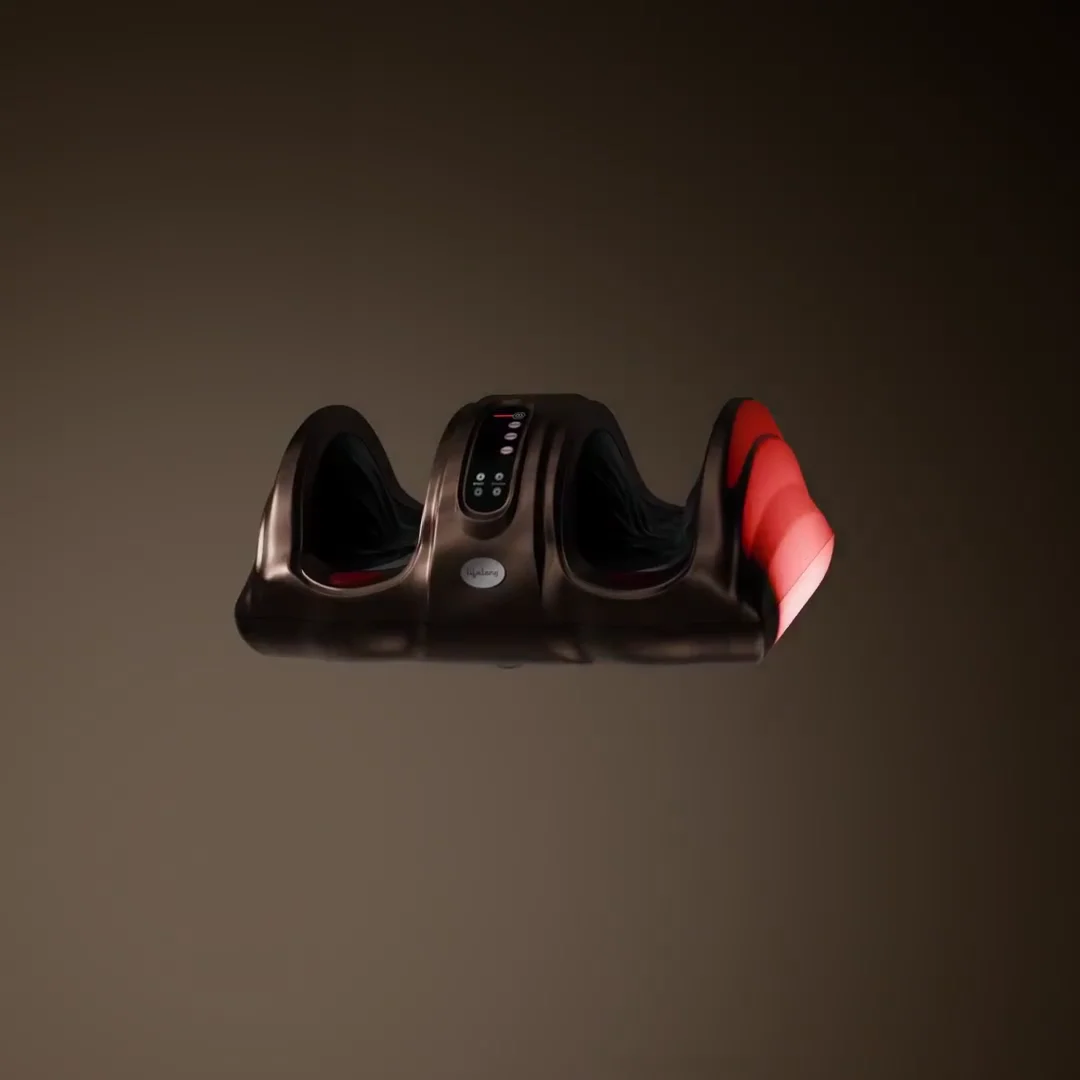
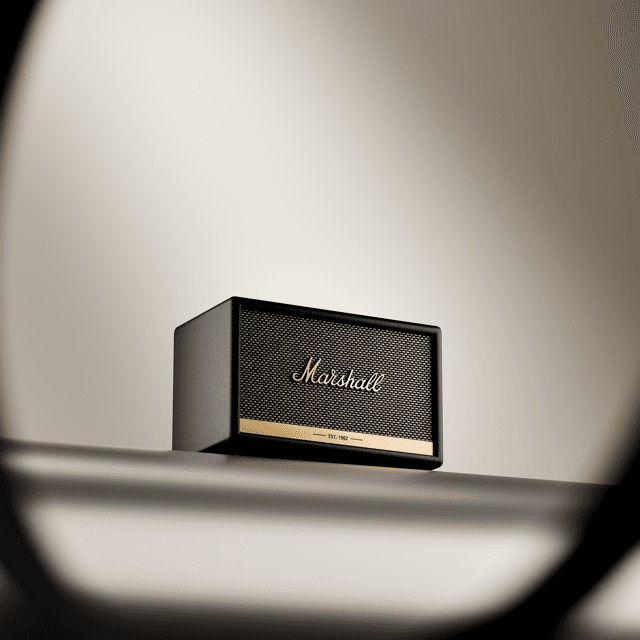
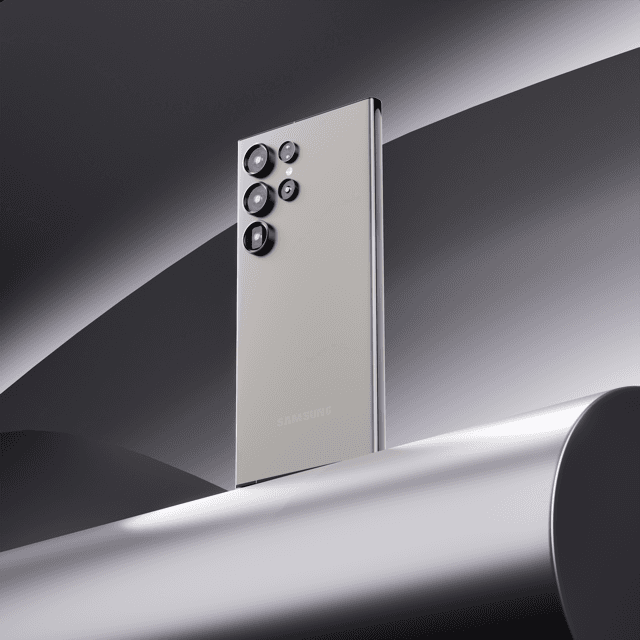
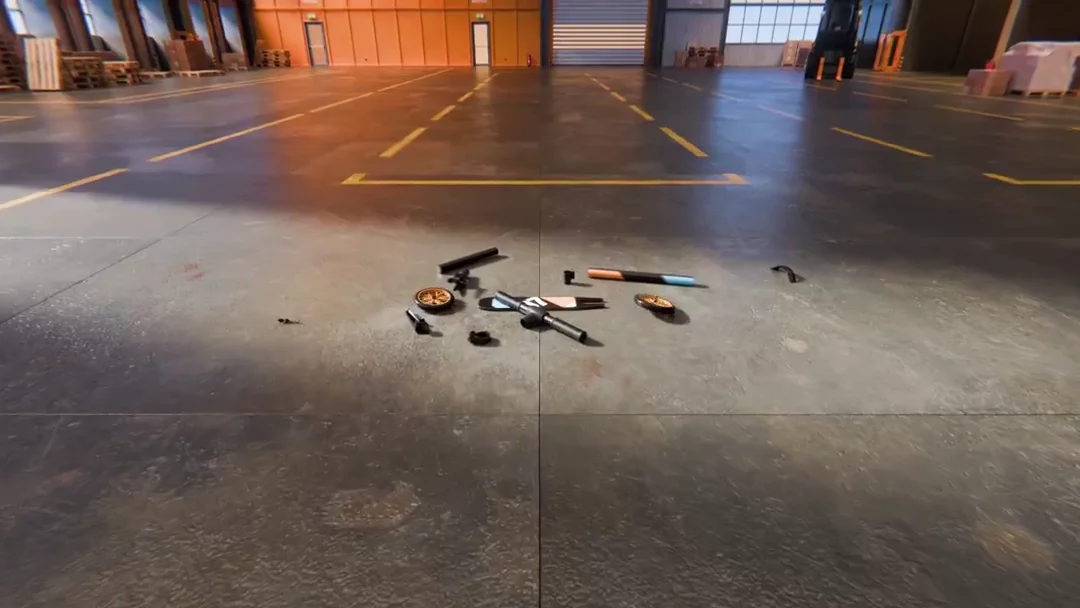
Why a 3D master beats a shoot.
Every angle at a fraction of a shoot cost. The work lives in a reusable 3D scene file, not a booked studio day. Colour refreshes, new SKUs and campaign variants come out of the same file rather than a new booking.
| RecommendedSMAPIT | Photoshoot | Freelancers | |
|---|---|---|---|
| Cost | Up to 70% lower | Expensive per shoot | Variable |
| Speed | Days, not weeks | Slow scheduling | Unpredictable |
| Revisions | Easy & digital | Costly reshoot | Limited rounds |
| Angles & Variations | Unlimited | Physically limited | Limited |
| Scale | Infinite variations | Per-shoot only | Bandwidth-limited |
Available for new projects
Bring us the product.
We build the master.
Send the brief with product photos, a spec sheet, a CAD file or a physical sample. You get scope, delivery date and a fixed quote back within one working day.