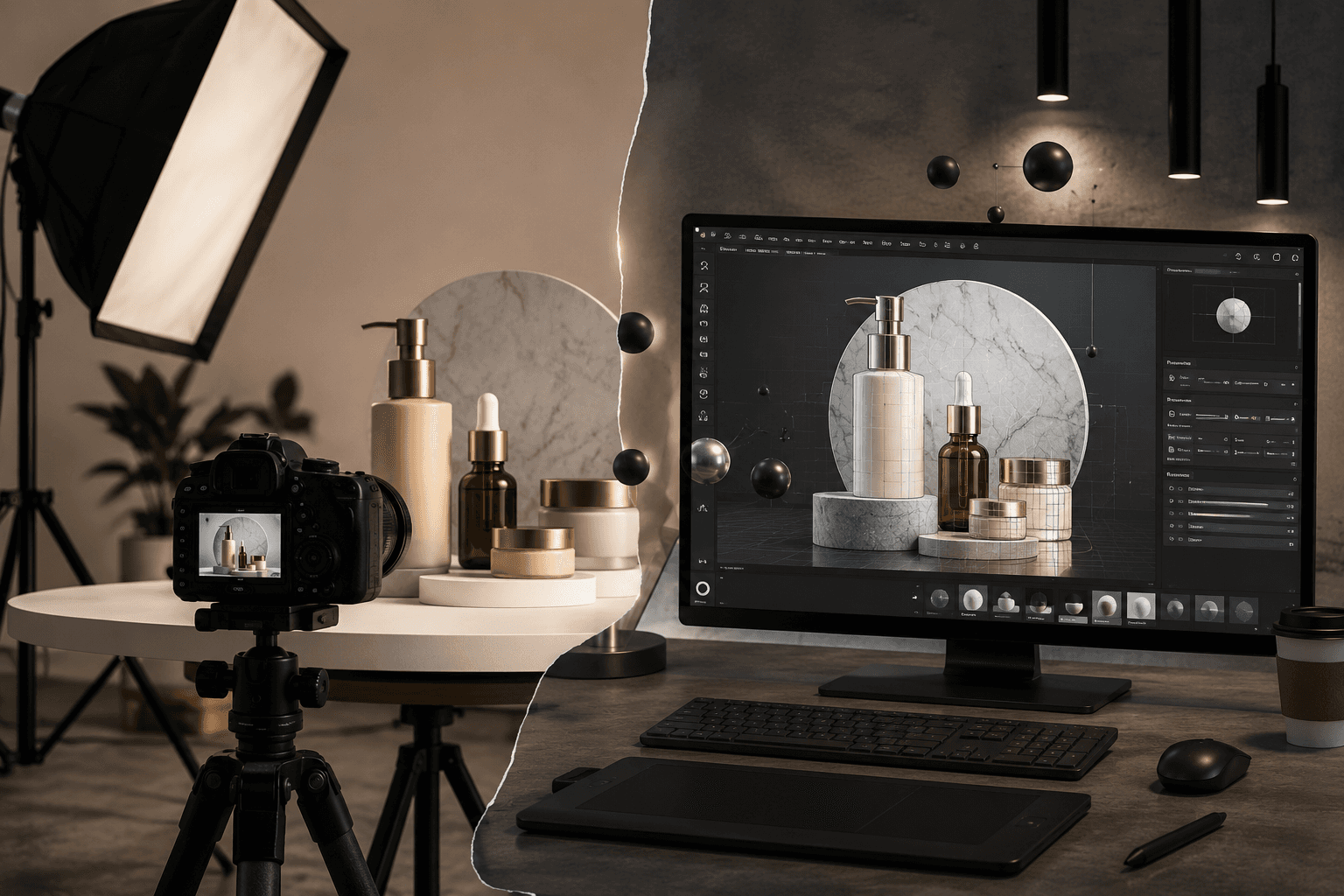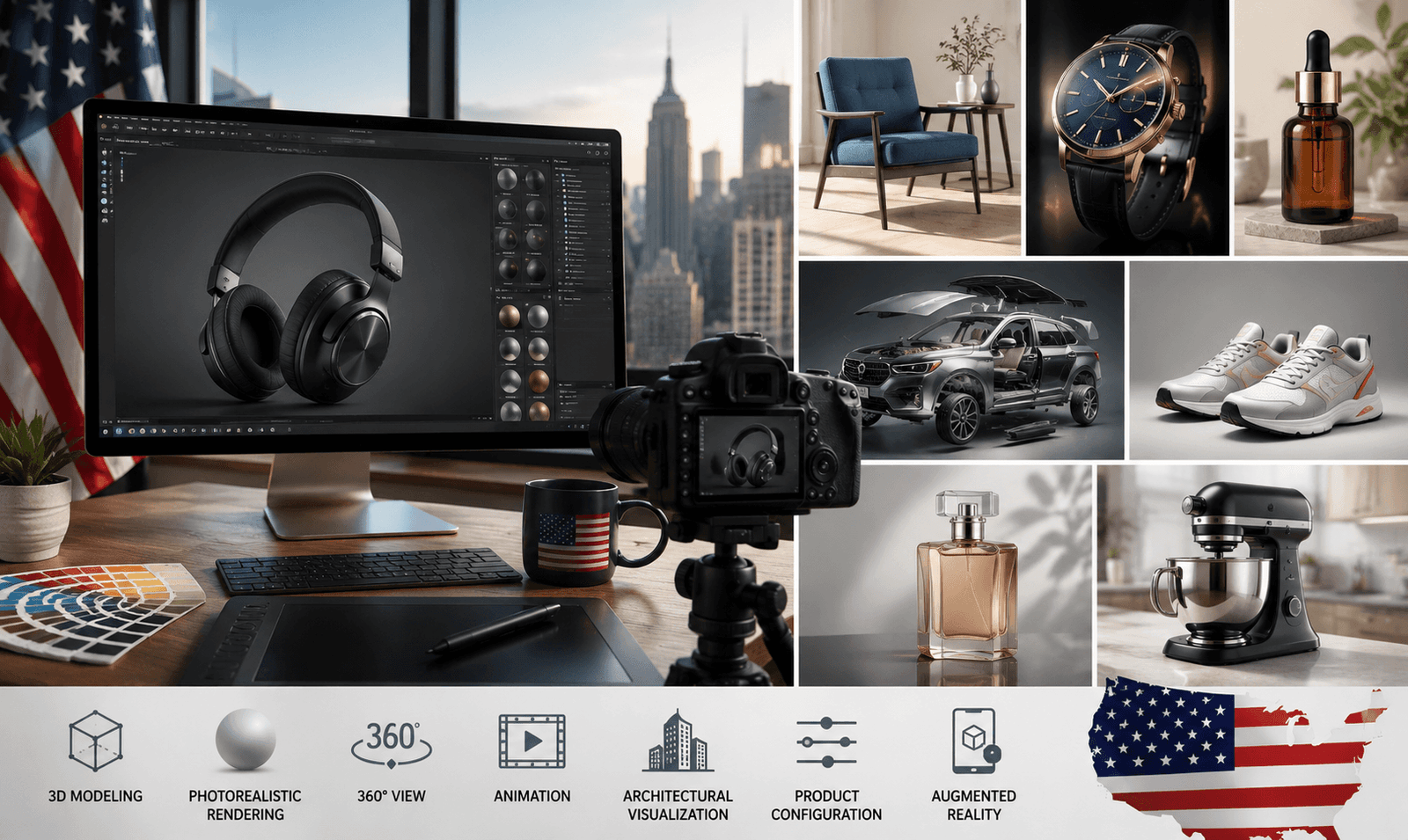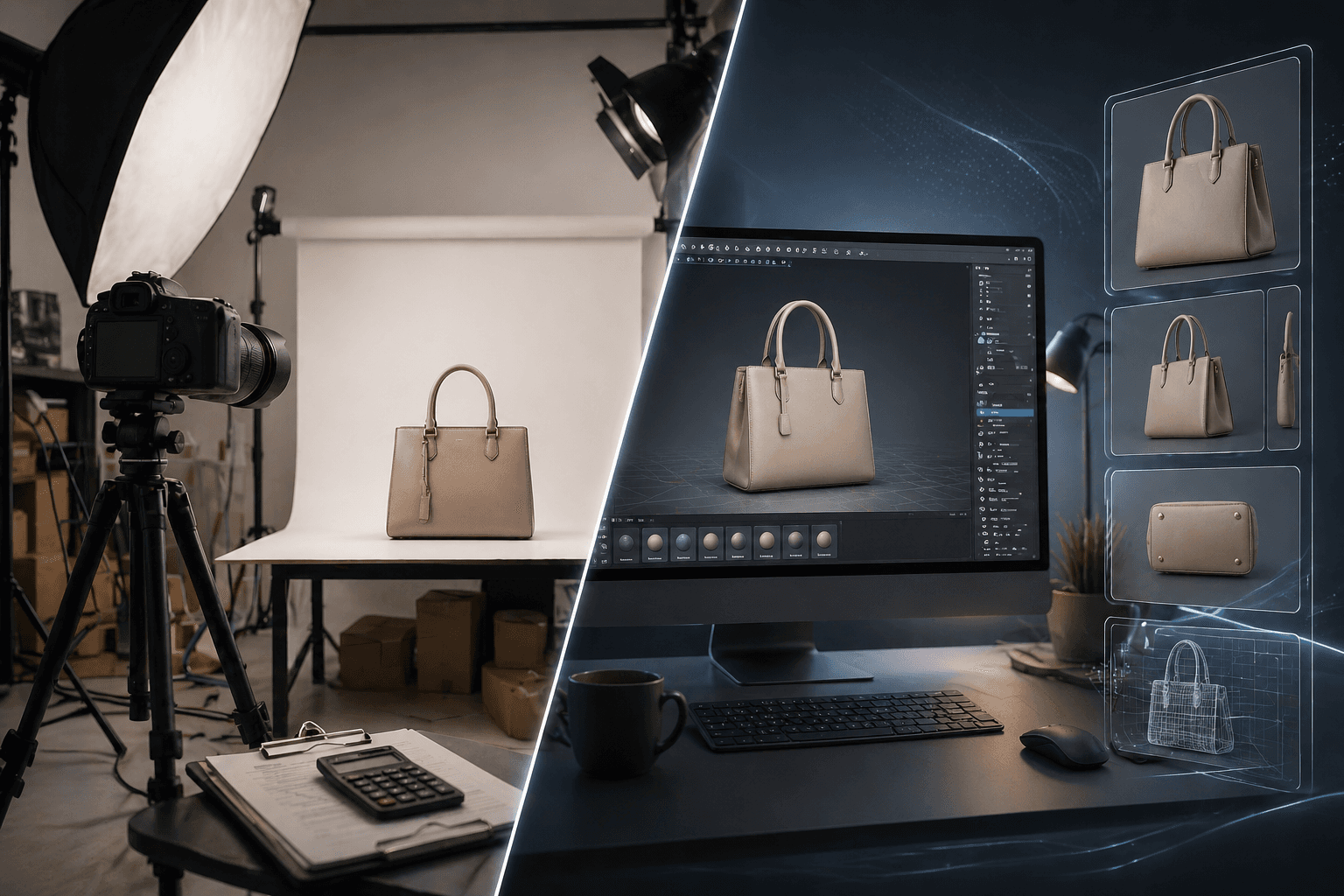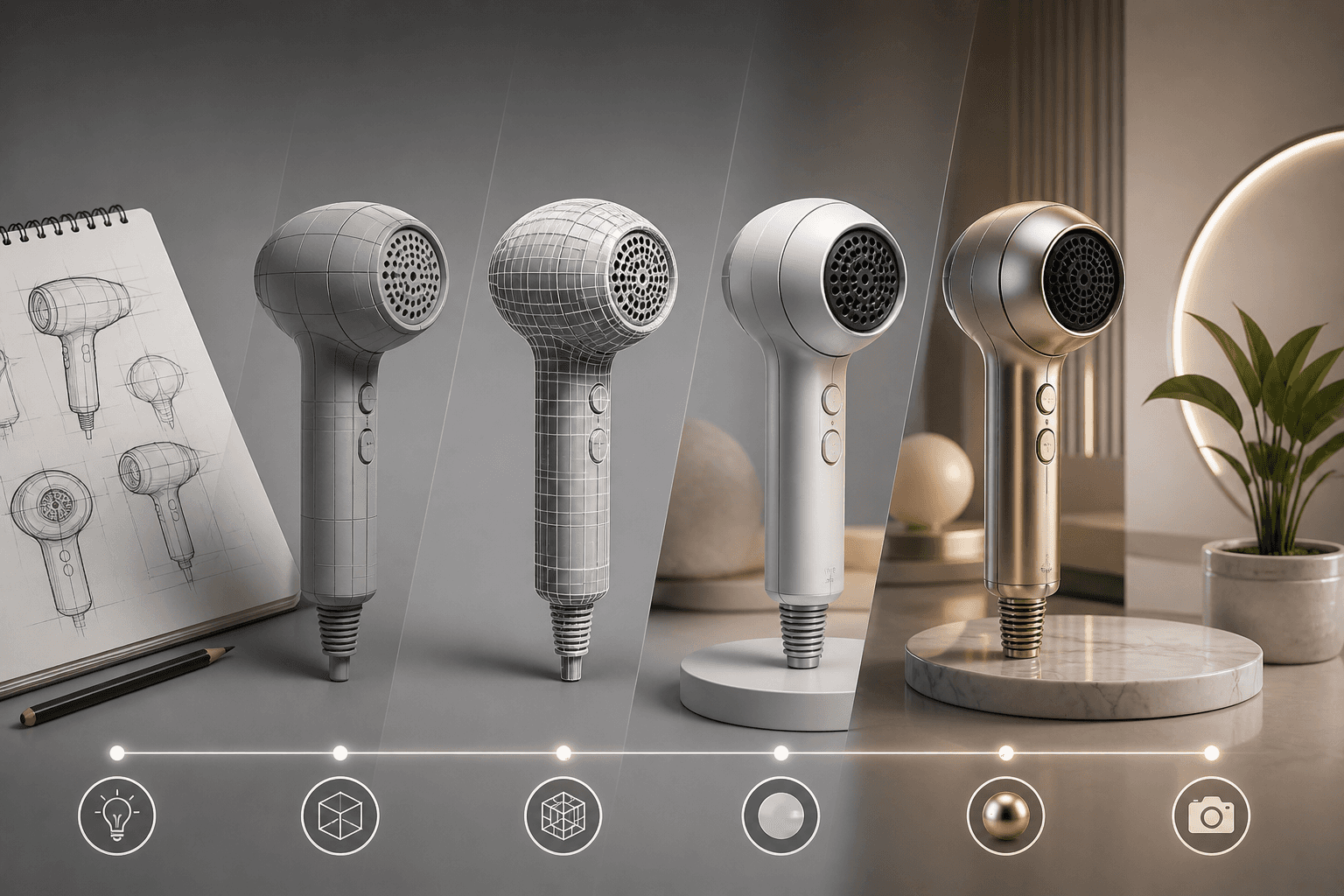

In 2026 the shortlist of practical alternatives to a traditional ecommerce photoshoot is short: 3D product visualisation, CGI rendering, AI-generated images, 360-degree spins, AR, stock mockups, UGC, licensed influencer content, a hybrid of photography and 3D, or in-house DIY. Each one solves a specific problem, and each one fails in a specific way. The right pick depends on catalogue size, variant volume and how often the product changes.
1. 3D product visualisation
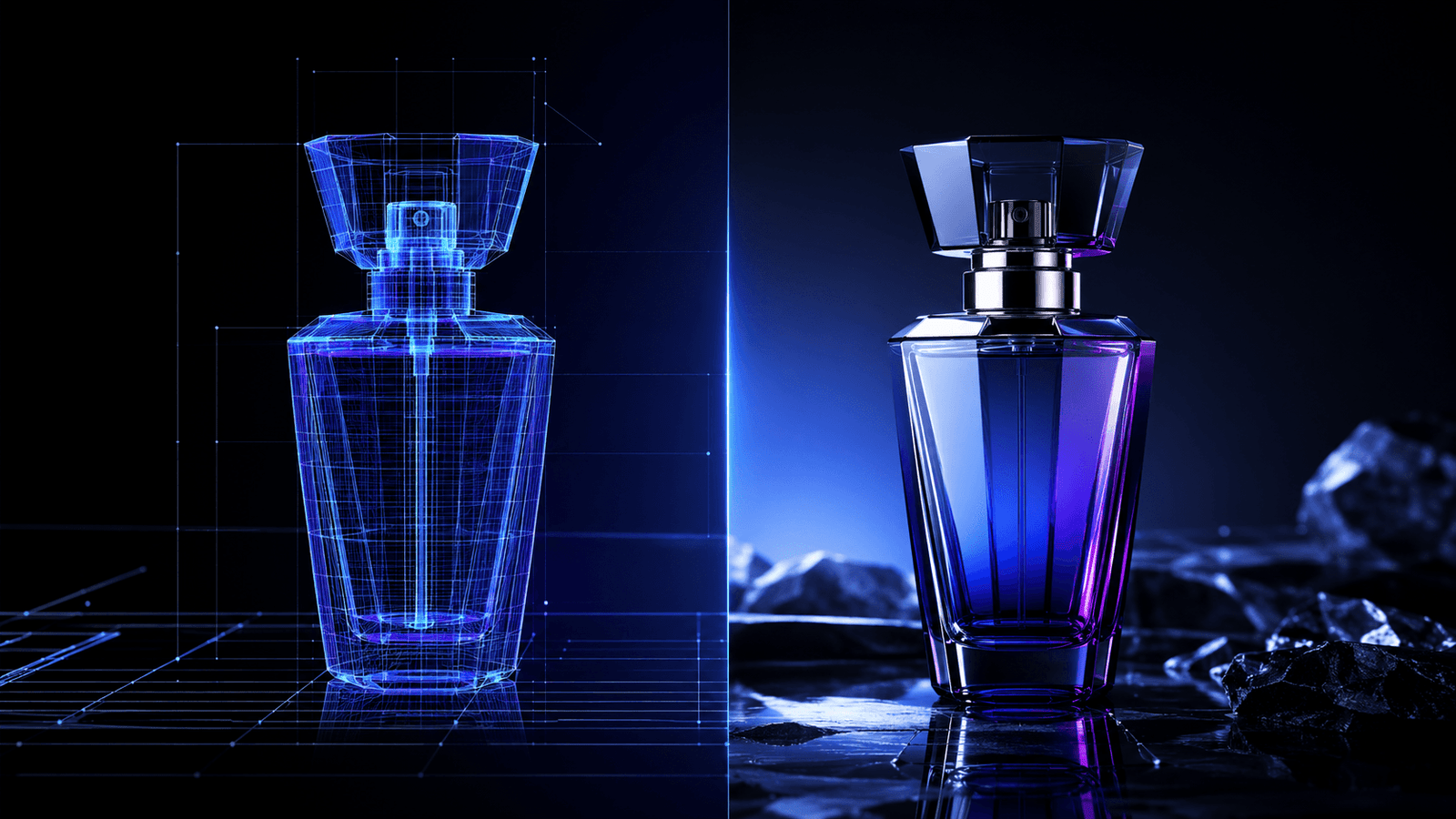
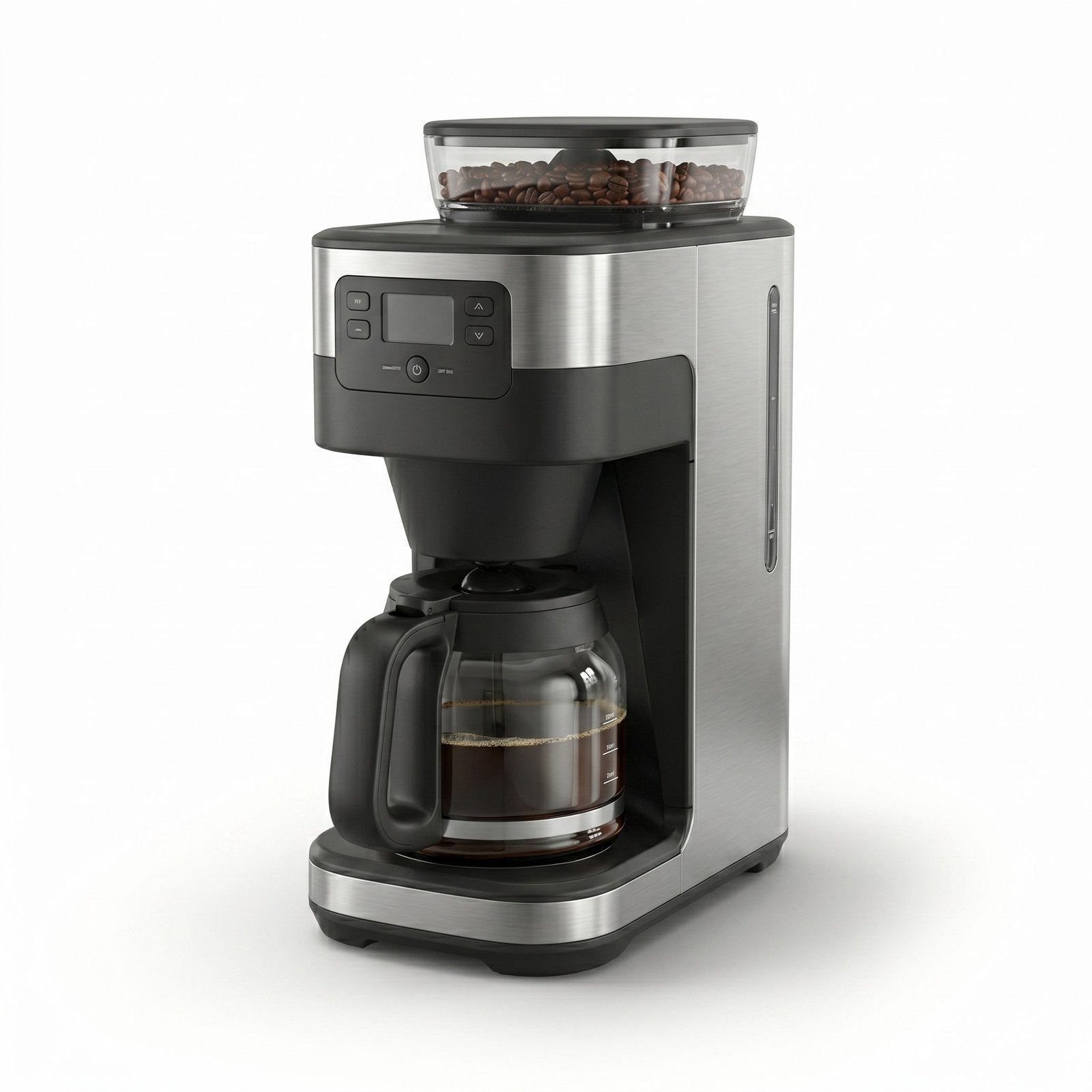
An artist builds a 3D model from design files or reference photos and renders infinite angles, backgrounds and lighting from the same asset. The upfront modelling cost is real; per-image cost drops sharply after that. The economics turn advantageous around 30 to 40+ images per production cycle, and new colourways stop needing new shoots.
2. CGI product rendering
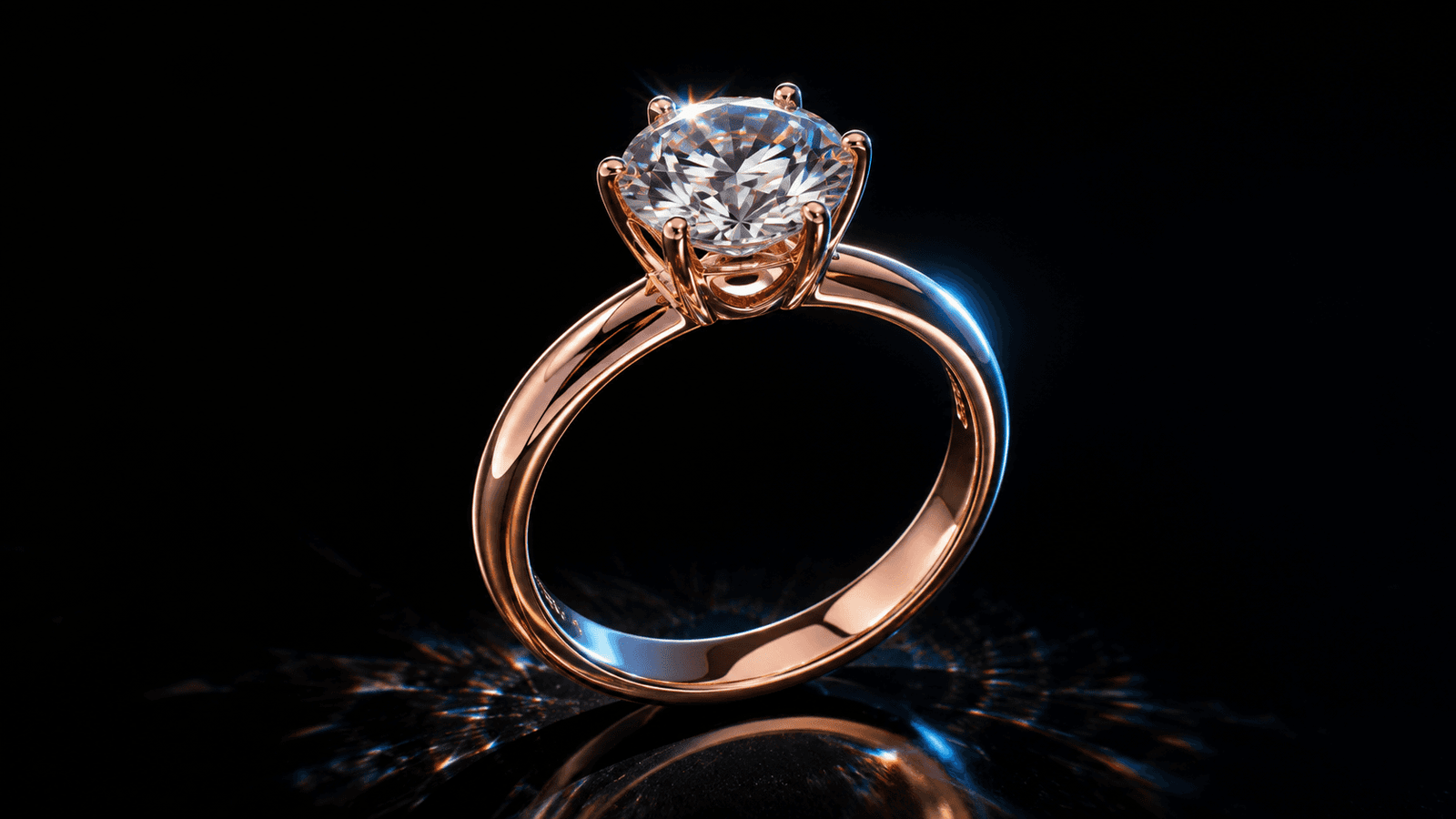
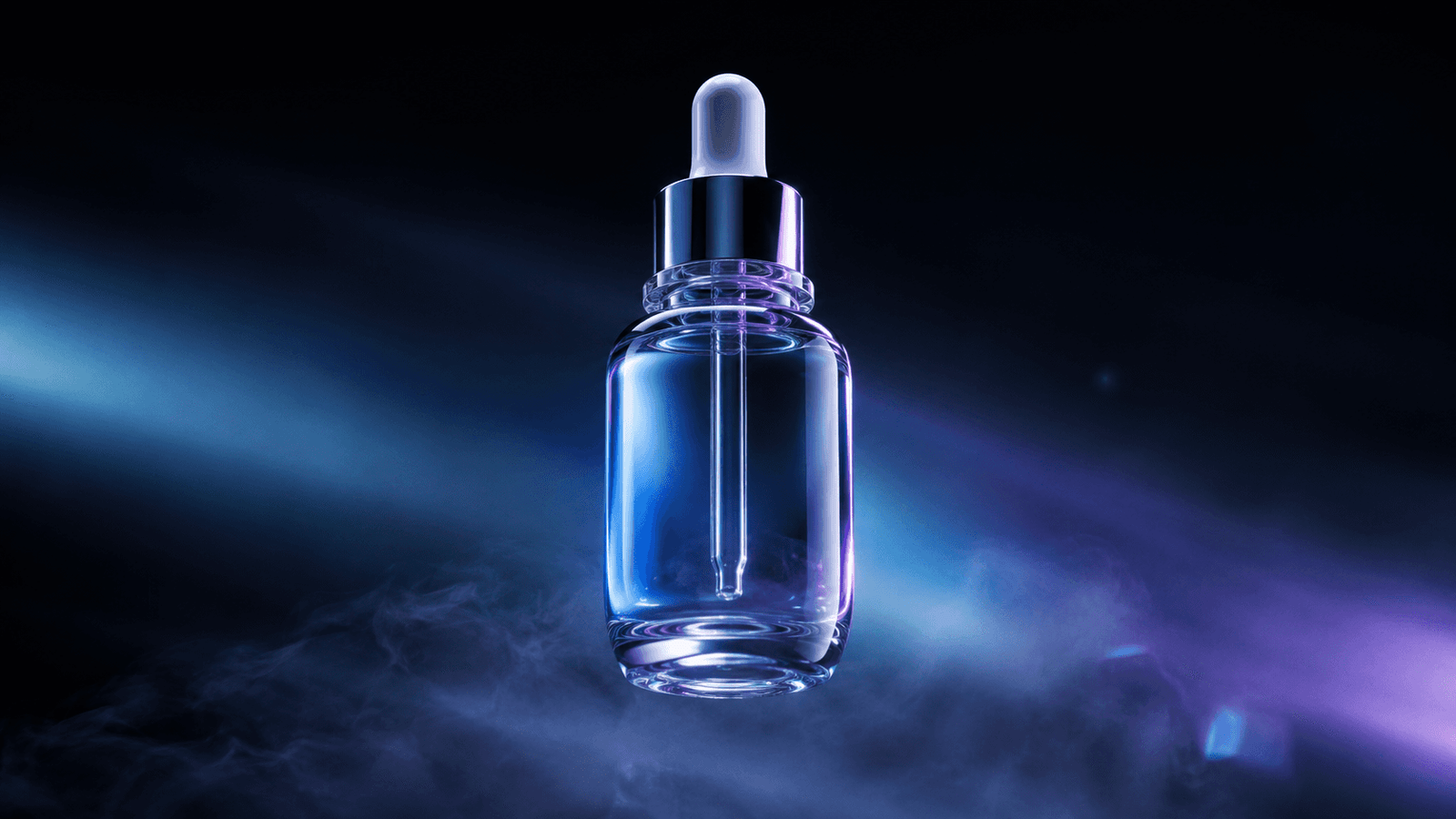
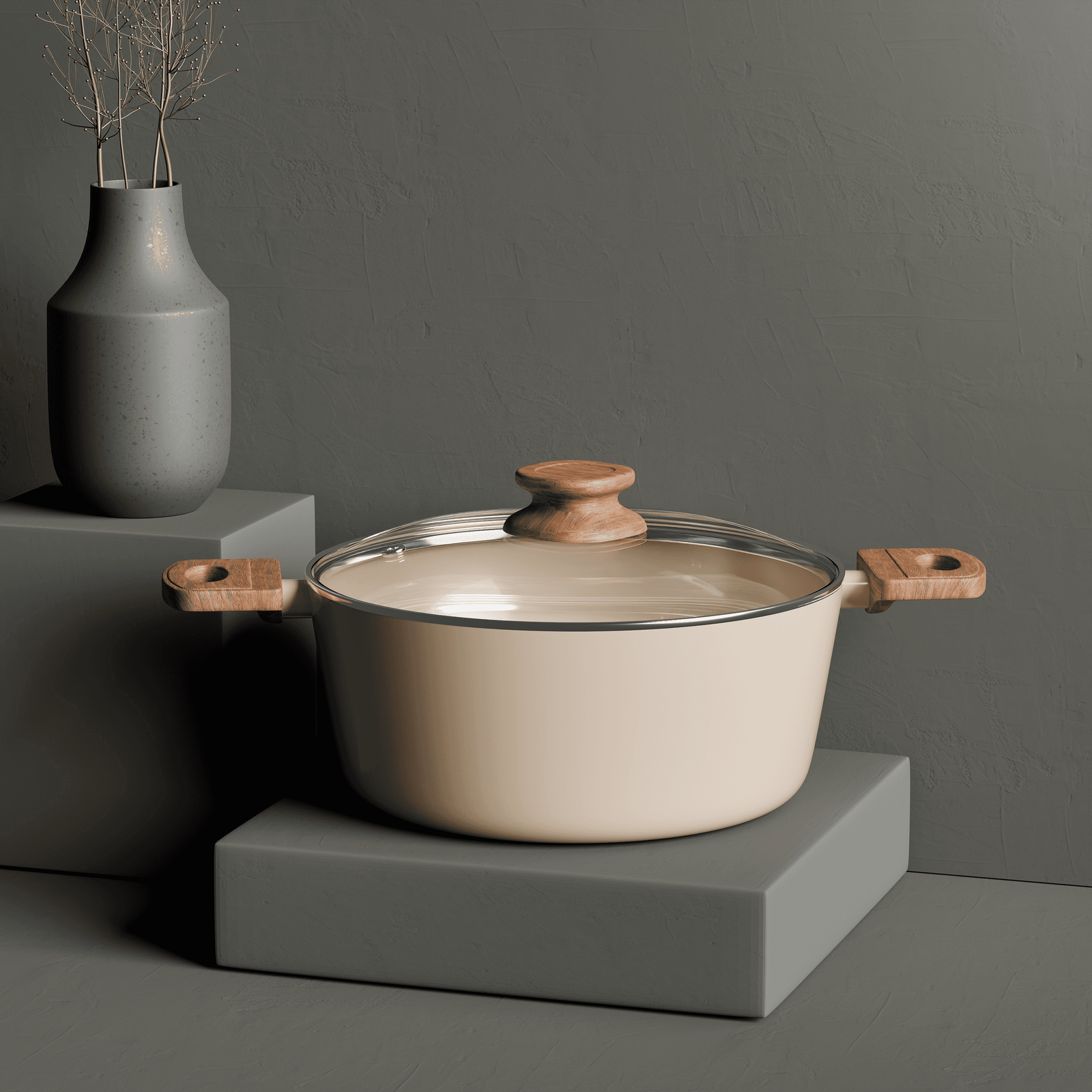
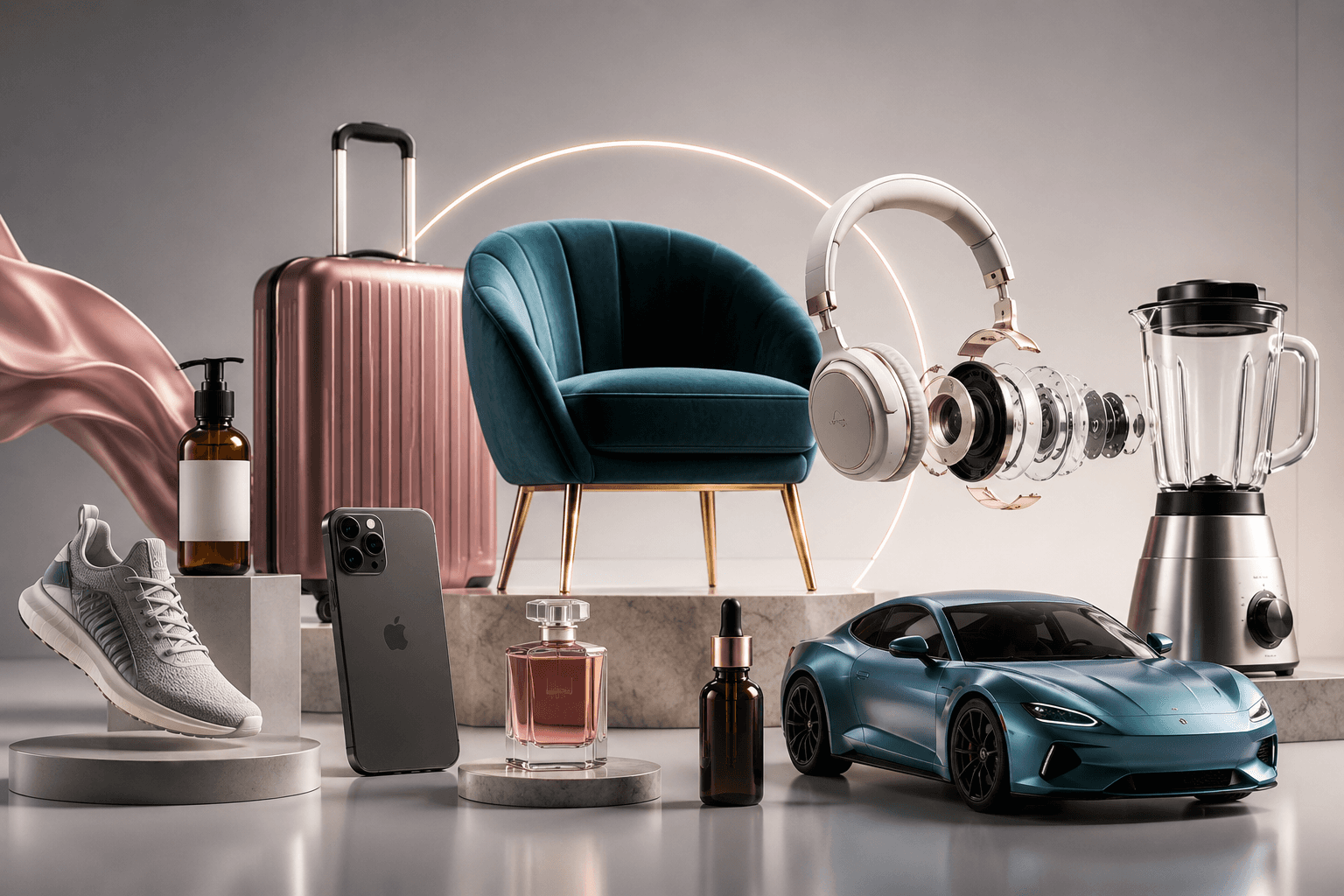
Higher-fidelity photoreal rendering aimed at premium contexts where outputs need to be indistinguishable from photography. Higher investment than baseline 3D, and best justified for luxury and aspirational brands using hero banners, magazine-style ads and premium PDP imagery.
3. AI-generated product images
Fast, cheap, useful for early concepting and quick ad iterations. The failure mode is precision: AI often gets details wrong in ways that look plausible but are not accurate, warped labels, invented packaging text, drifted logos. That is fine for a mood board and dangerous on a marketplace listing.
4. 360-degree product spin imaging
Interactive images the shopper rotates on the PDP, either captured on a turntable rig or built from a 3D model. Marketplaces that added 360 spins report that they boost time-on-page and reduce return rates, and the 3D-derived version needs no physical sample to build.
5. AR product visualisation
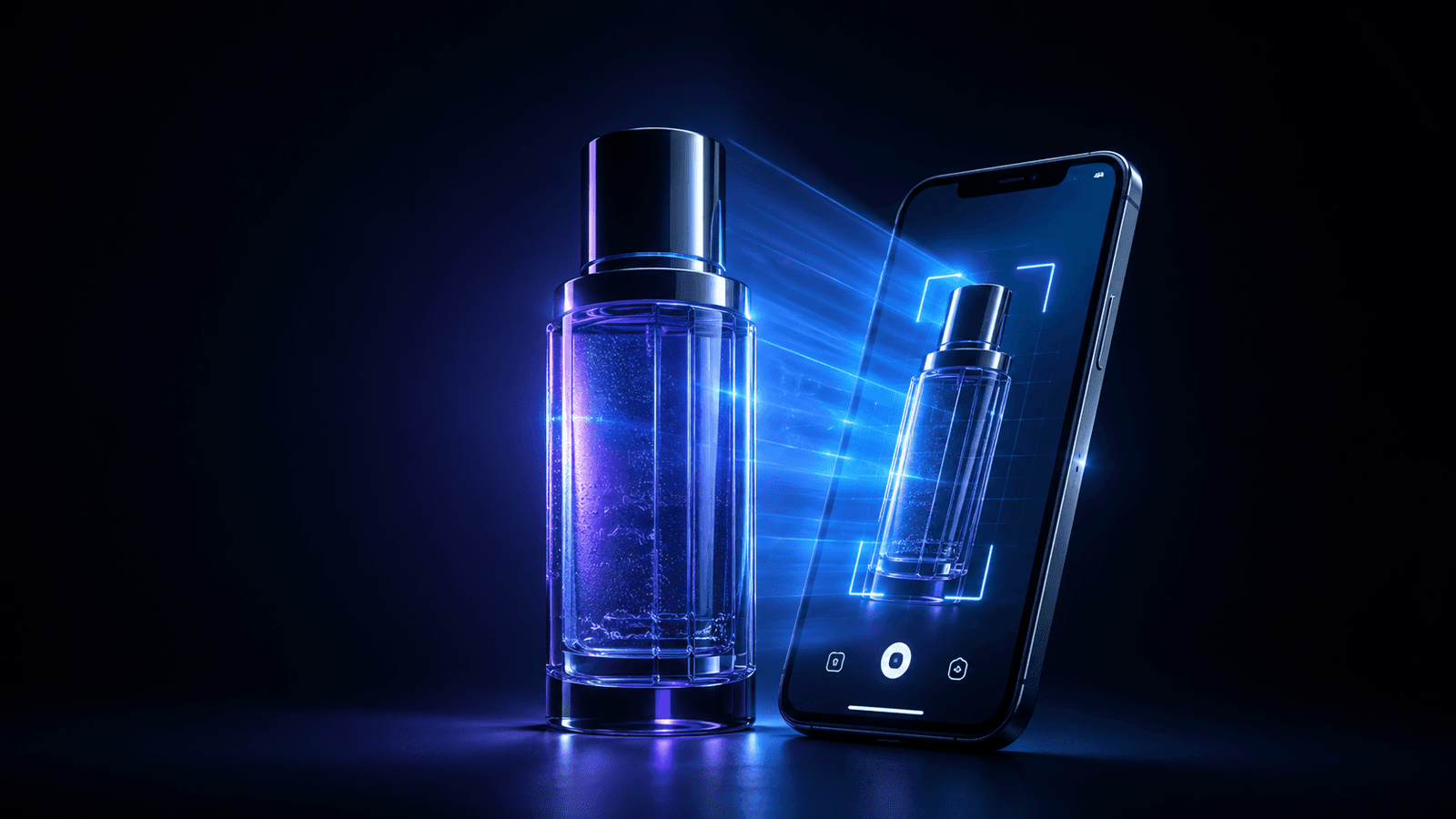
Virtual placement of the product in the customer's own space through a phone camera. Conversion impact for the right categories, furniture, home decor, large equipment, is significant, because it removes the spatial hesitation photography cannot address. Requires AR development and is not universal.
6. Stock image and mockup compositing
Packaging or artwork placed onto pre-built template scenes using Placeit, Smartmockups and similar tools. Budget-friendly entry point for early-stage brands, but experienced shoppers can sometimes spot a mockup, and template scenes eventually start looking familiar across categories.
7. User-generated content
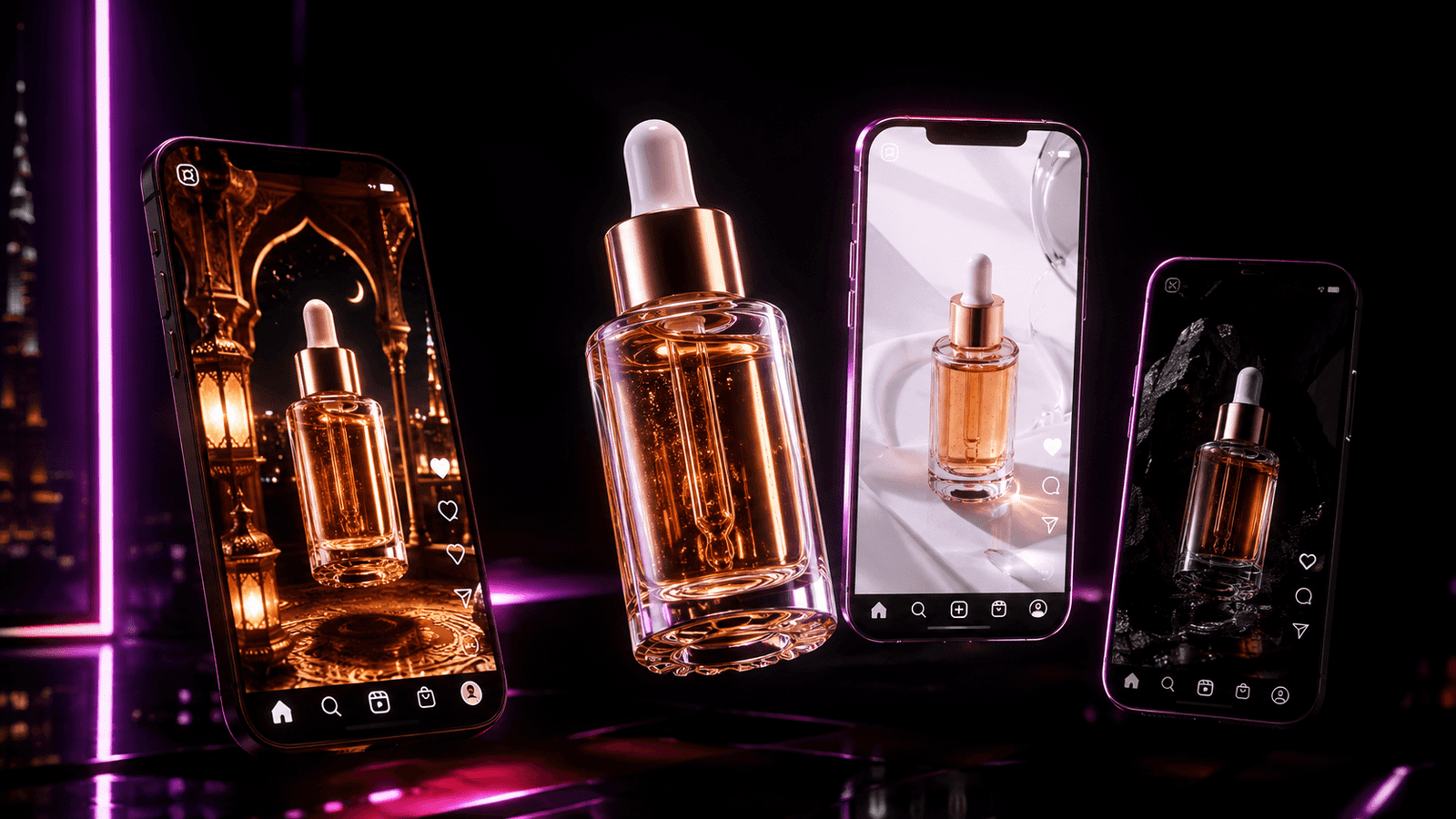
Real customers using the product in real settings, sourced through reviews, photo competitions or small creator exchanges. UGC performs exceptionally well in social ads because rawness converts better than a studio shot. The cost is aesthetic inconsistency, so it is a sourcing strategy rather than a production method.
8. Influencer content as product imagery
Work with influencers with clear licensing terms upfront so their content can be repurposed on product pages, in ads and in email. Authentic lifestyle visuals at a fraction of the cost of a branded lifestyle shoot, with the tradeoff that availability and turnaround are outside your control.
9. Hybrid, photography plus 3D
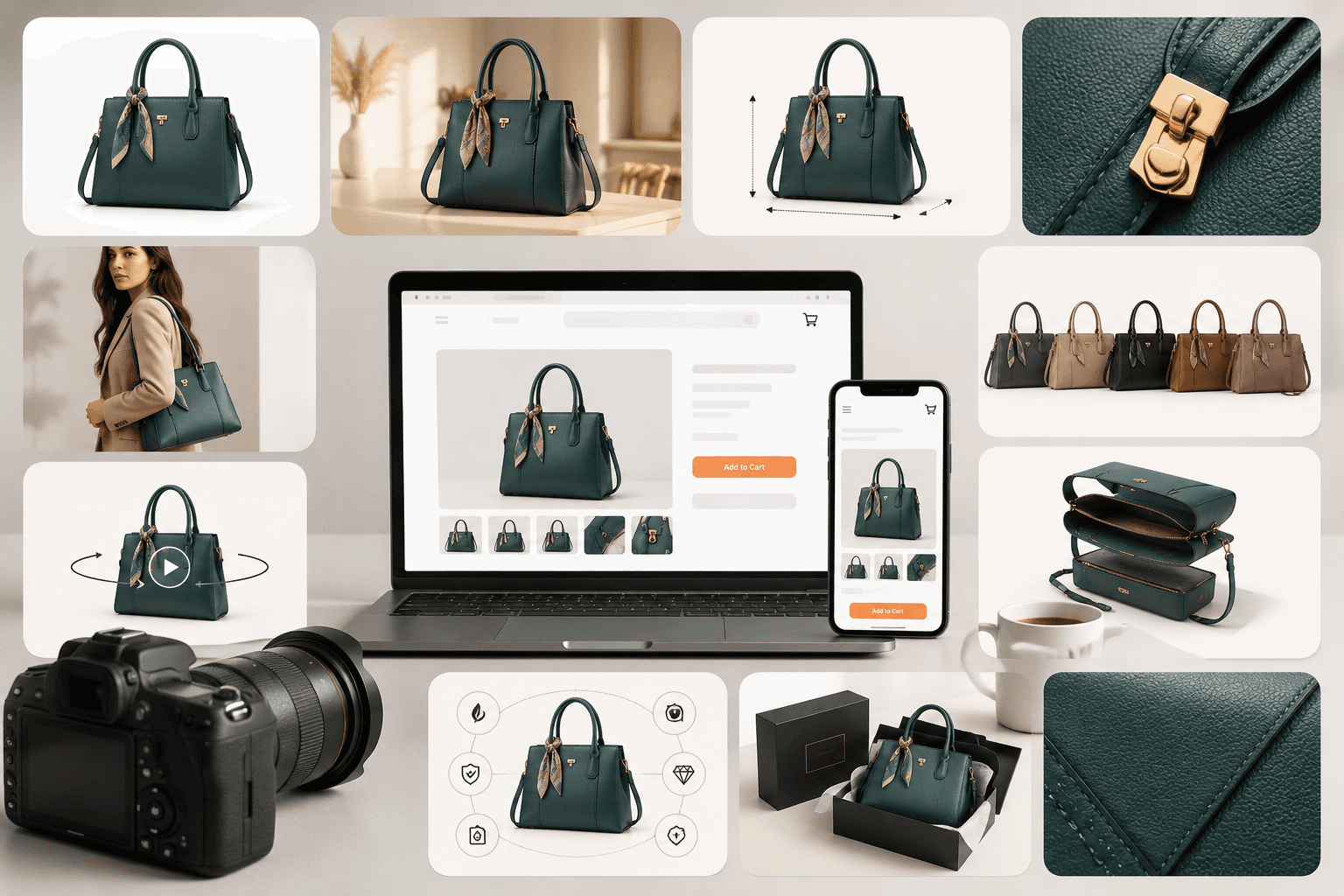
Shoot hero products physically and build 3D models for variants, updates and catalogue expansion. This is how large retailers actually manage their catalogues, because it captures the authenticity of a flagship shoot and the scalability of 3D at the variant level. The tradeoff is dual investment.
10. In-house DIY with a phone and a lightbox
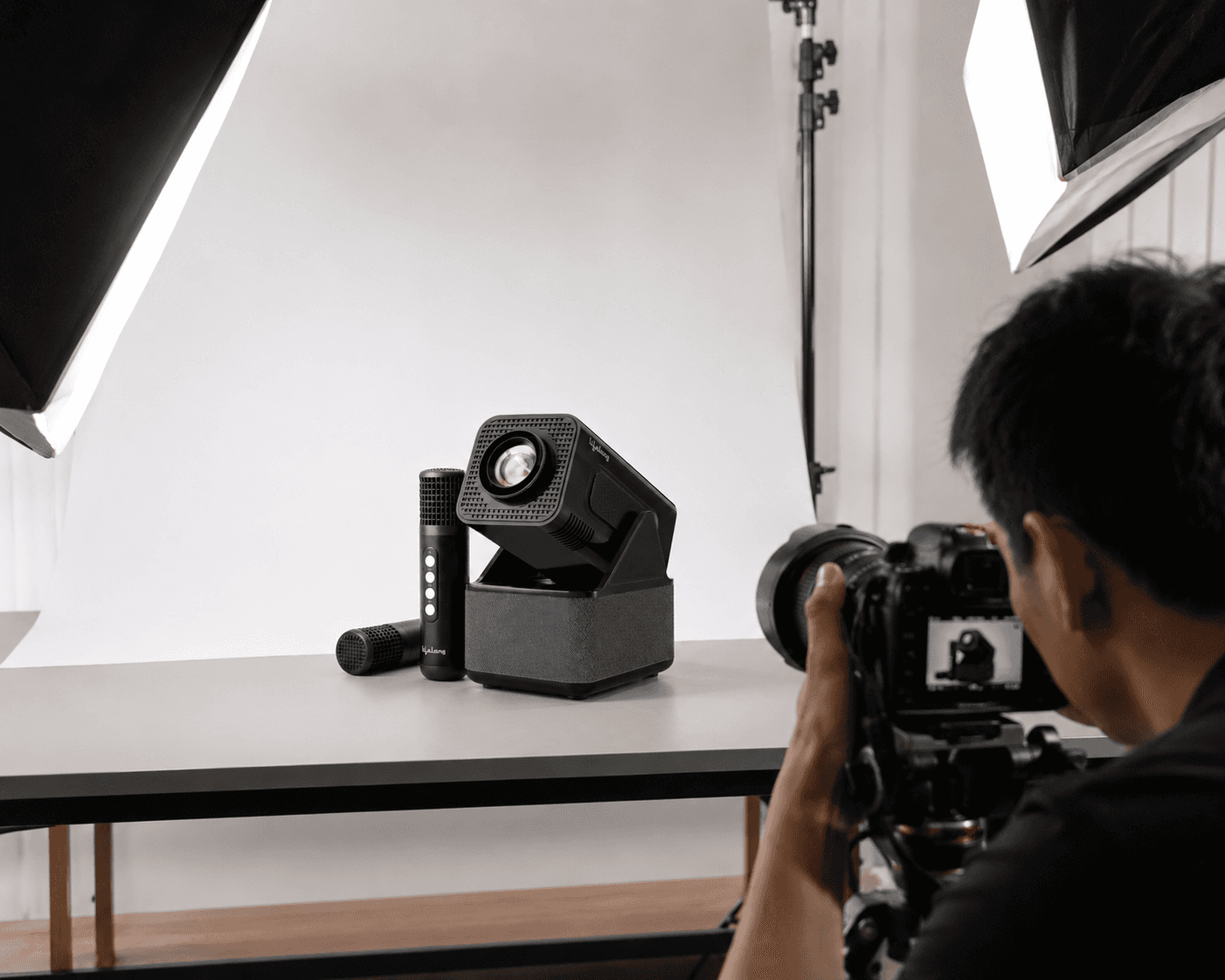
A phone camera, a lightbox and a clean background can produce genuinely solid product images at early stages. Low barrier to entry and low cost, capped by practice and time; scales badly once catalogue size or ad volume passes what one person can shoot in a weekend.
How the ten actually compare
- Lowest upfront cost: AI tools and DIY
- Lowest per-image cost at scale: 3D visualisation and AI
- Highest scalability: 3D visualisation, then CGI
- Highest authenticity: UGC and influencer content
- Highest fidelity for premium contexts: CGI rendering
- Best for reducing returns: 360 spins and AR
- Best for pre-launch: 3D and CGI (no physical sample needed)
The realistic pick for most brands
For catalogues over 20 SKUs, or any range with frequent colourways and updates, 3D or CGI is where the cost curve breaks in your favour. For hero campaigns, on-model apparel and food where appetite appeal depends on real texture, keep the shoot. The hybrid is the honest answer for most brands past early stage, flagship photography for the hero, 3D for everything downstream of it.