
Why brands choose us
3D craft first, AI second
4+ years of dedicated 3D production before we ever wrapped AI around it. That order is why our AI-generated frames hold product depth, real material response and physically correct proportions.
SMAPIT is a product-first AI video studio for consumer brands. Prompt-only AI drifts on product geometry, brand colours and logo placement across variants. We run every AI-generated frame on top of an accurate CGI master, so the product stays physically exact while AI carries the volume. That order is why 50+ consumer brands ship 80 to 100 AI product videos with us every month across Amazon, Meta, TikTok, Noon and amazon.ae.
Not demos. Delivered work running for real brands, modelled in 3D and scaled with AI.
Six reasons global brands bring their AI work here rather than to an AI-only shop.
Drag to see what changes when the photoshoot becomes a render.
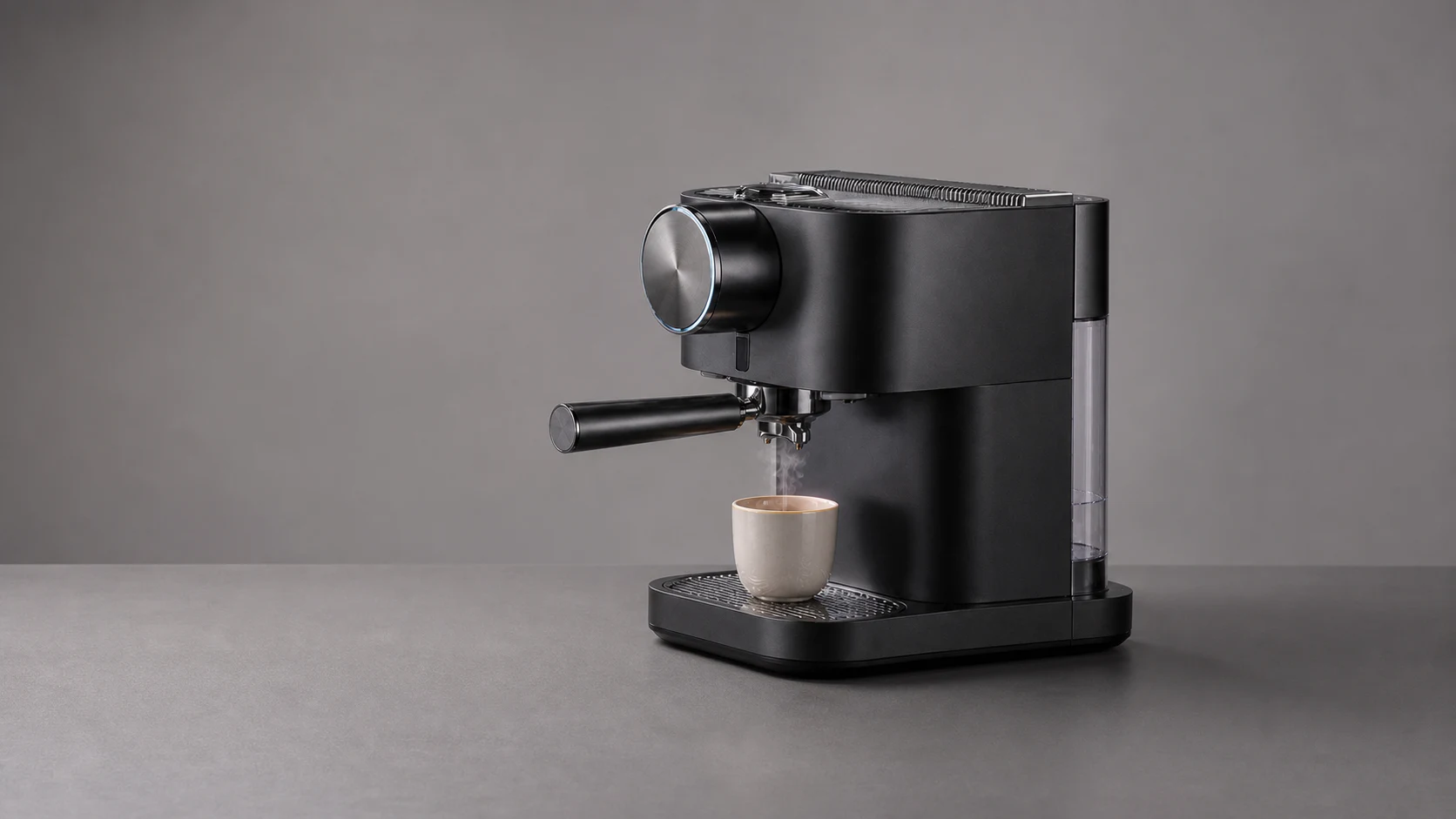
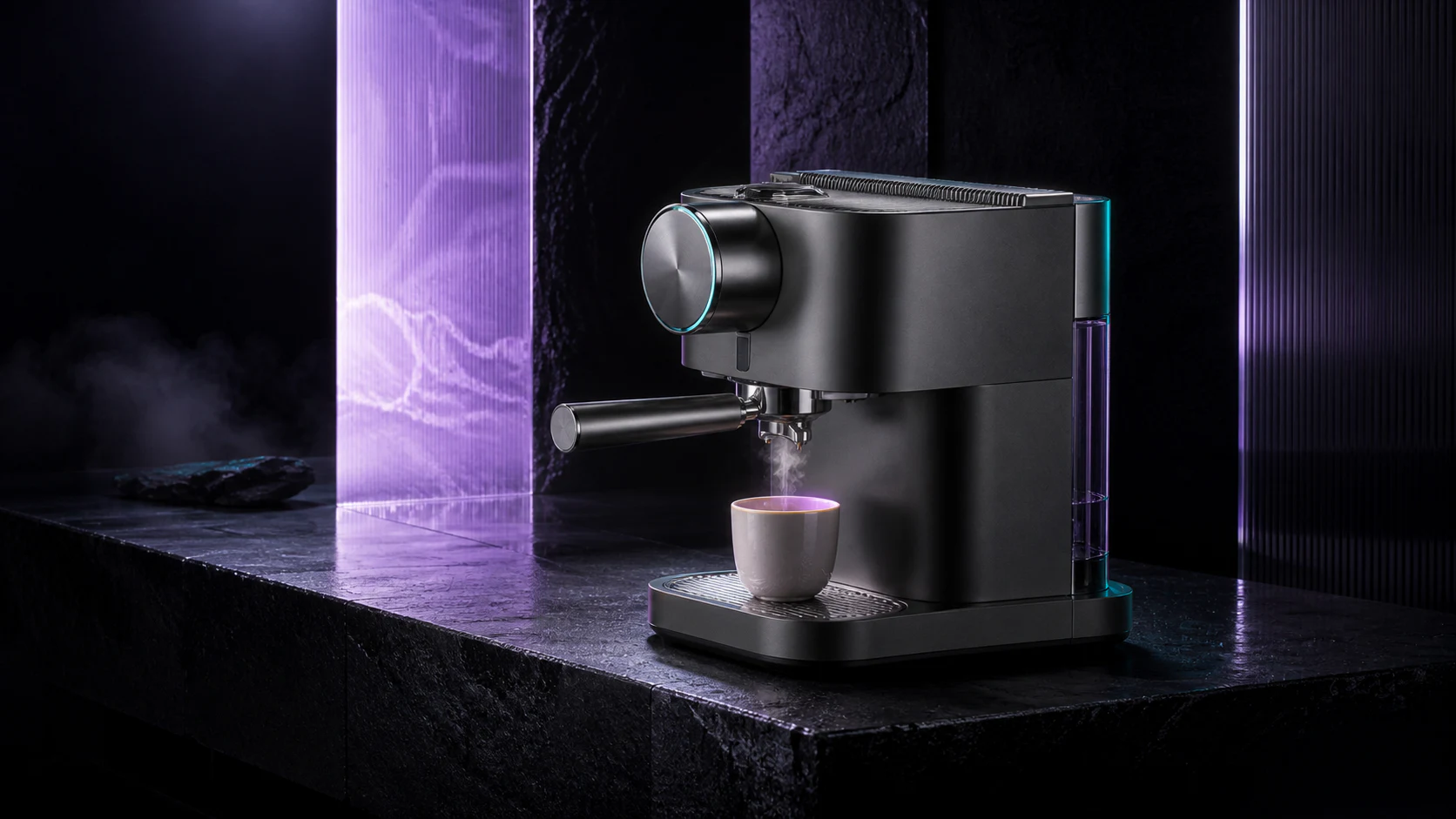
Conventional setup
Studio, crew, samples
SMAPIT · CGI
Up to 70% lower cost
Drag to compare · studio study
Same tools, opposite results. It comes down to whether the AI has an accurate 3D master to answer to, or nothing but a prompt.
Prompt-only AI
SMAPIT · 3D-anchoredOur approach
Not a single black box. Each system does one job, and every one of them answers back to the same accurate 3D model.
Our in-house multi-variant generator produces 50 to 100 sized variants per hero for Meta, TikTok, YouTube Shorts and Amazon Sponsored Brand video. On-brand by construction, not by prompt.
A brand-trained model per client, fine-tuned on your palette, typography and product silhouettes before any variant is generated. Not a shared template with a brand-name slot.
Pre-publish variant ranking on brand-fit, readability and format compliance. The weakest cuts are killed before they enter the ads manager, not after they underperform.
A CGI-anchored generation process where the 3D product model acts as the reference for the AI video model. Product shape, logo placement, colour and material stay physically correct across every frame.
One accurate 3D master runs the whole line. The same six steps every time. Watch it flow.
Goal, channels, and where AI fits.
The master is modelled before any render.
Controlled processes generate the volume.
3D restores what AI can't hold steady.
A change is a re-render, not a reshoot.
The next version costs a fraction.
Real questions from D2C founders, brand managers and creative directors weighing AI video against tools like Arcads, Creatify, Runway and HeyGen. Answered with the pipeline, the tools and the compliance context we actually work in.
By anchoring every AI-generated frame to a CGI master and a brand-trained model. At SMAPIT the pipeline is Brief, then a CGI hero shot, then Brand Style AI (a per-brand model trained on the client’s palette, typography and product silhouettes), then AI Creative Engine (which sizes 50 to 100 variants for Meta, TikTok, YouTube Shorts and Amazon Sponsored Brand video), then AI Ad Optimizer (which ranks variants on brand-fit before spend). Consumer brands including Lifelong, Luminous and Amaze run this every month.
A 3D → AI bridge is a production pipeline where a photoreal CGI product model is used as the control input for a generative AI video model. Every AI-generated frame keeps the product’s geometry, logo placement, colour and material physically correct. It matters because prompt-only tools drift on all four. The 2026 professional stack for AI product content combines a low-strength LoRA, PuLID and ControlNet-style inputs, and the CGI master is what makes the ControlNet input actually match the real product.
Arcads and Creatify are actor-first UGC ad tools. Runway is a general-purpose AI video model. SMAPIT is a product-first studio. All three of those ask you to prompt or upload existing footage and hope the AI stays on-brand. SMAPIT builds the CGI master and orchestrates the AI stack (Veo 3.1, Sora 2 Pro, Seedance 2.0, Kling 3.0, MiniMax) around it, so the output is a product-hero ad batch, not a talking-head UGC. Because the CGI is authored, not inferred, brand geometry and colour are locked by construction.
Yes, and SMAPIT has delivered exactly that. A brand film that would traditionally cost ₹40 to 60 lakh was rebuilt in CGI + AI for a fraction of the budget, with the same photoreal finish. The economics come from the CGI master. It is built once, and every subsequent scene, angle, colourway or variant renders from the same file. Traditional shoots need every angle, background and colourway reshot. An AI product video pipeline removes the reshoot step from the cost equation.
Three controls, running together. First, a CGI hero shot as the AI model’s control input, so product geometry stays fixed. Second, Brand Style AI, a per-brand model trained on the client’s palette, typography and product silhouettes before any variant is generated. Third, AI Ad Optimizer, a pre-publish ranker that catches drift on brand-fit, readability and format compliance before variants reach the ads manager. Brands running 50 to 100 variant test batches with us stay visually consistent with the master asset because all three controls are always on.
Yes, with disclosure requirements in both markets. The EU AI Act Article 50(4), in force since 2 August 2026, requires realistic AI-generated depictions of people, objects, places or events to be disclosed clearly and distinguishably to viewers. California’s AI Transparency Act, operative from August 2026, requires visible and machine-readable disclosures on AI-generated ad content. Meaningful human editorial review reduces the disclosure trigger under EU guidance, which is one reason a studio pipeline with human review on every deliverable sits differently to a pure prompt tool for compliance.
Available for new projects
Looking for ai production, or the full stack? Send the brief and you get scope, timeline and a fixed quote back within one working day.