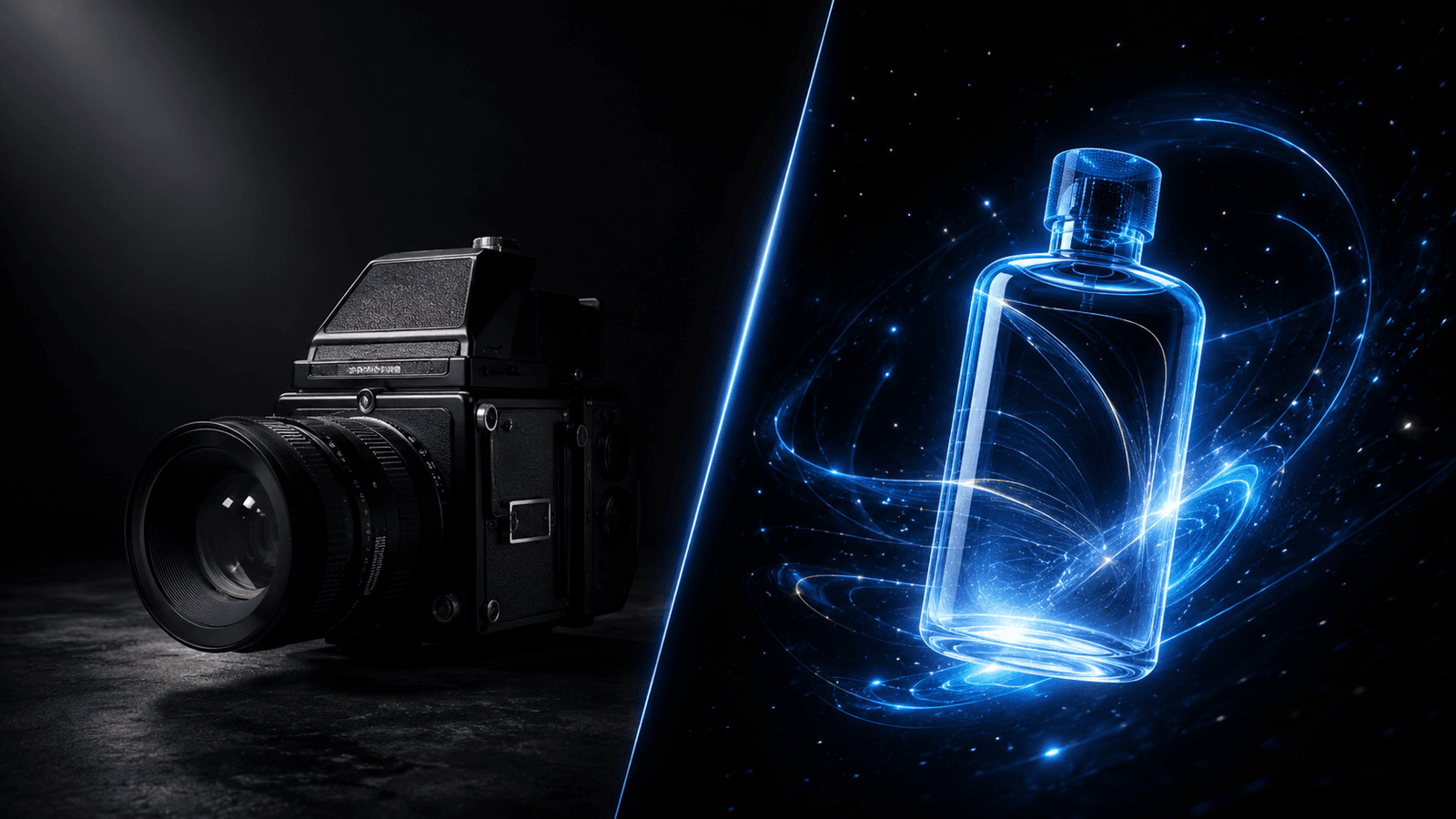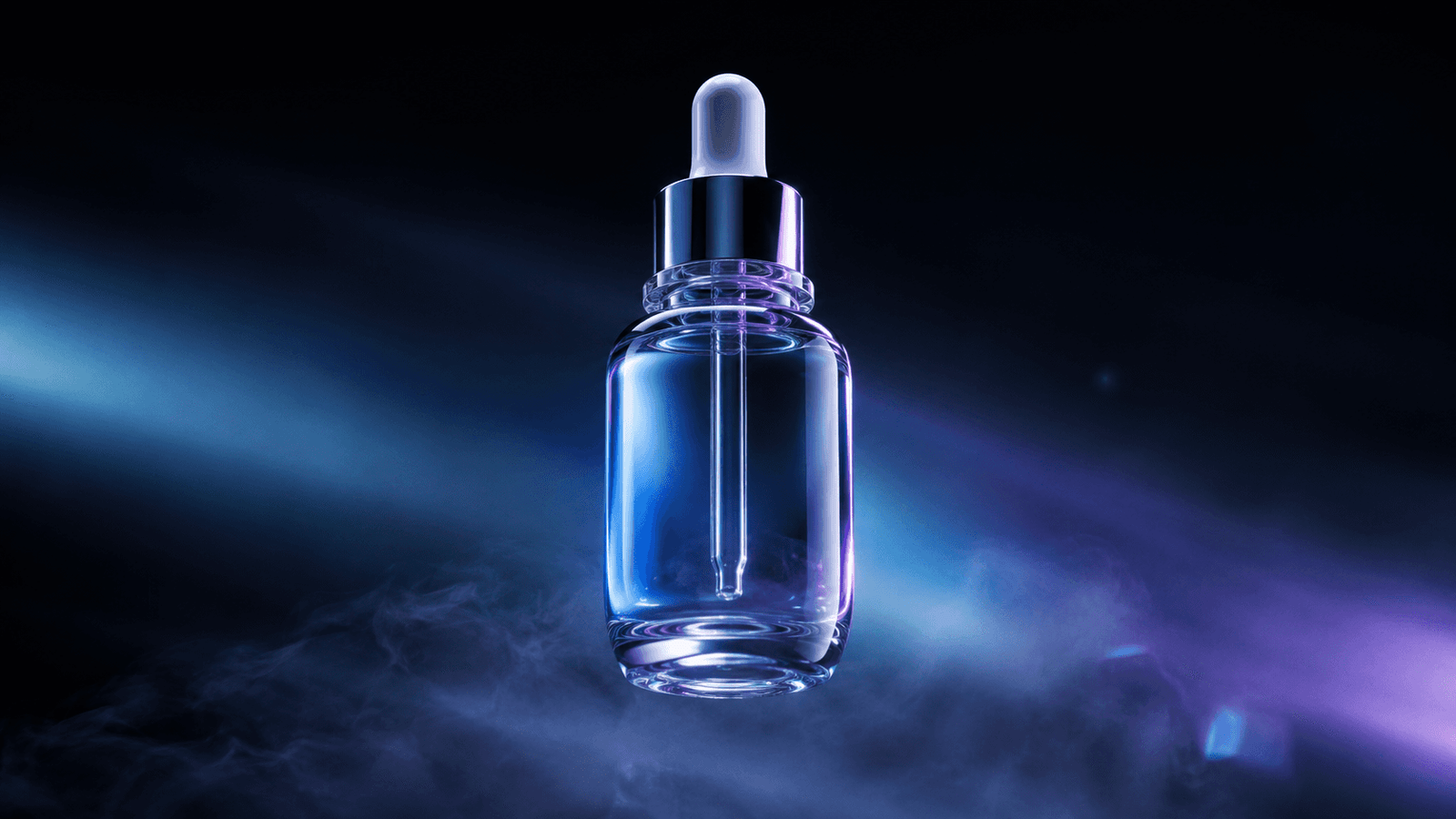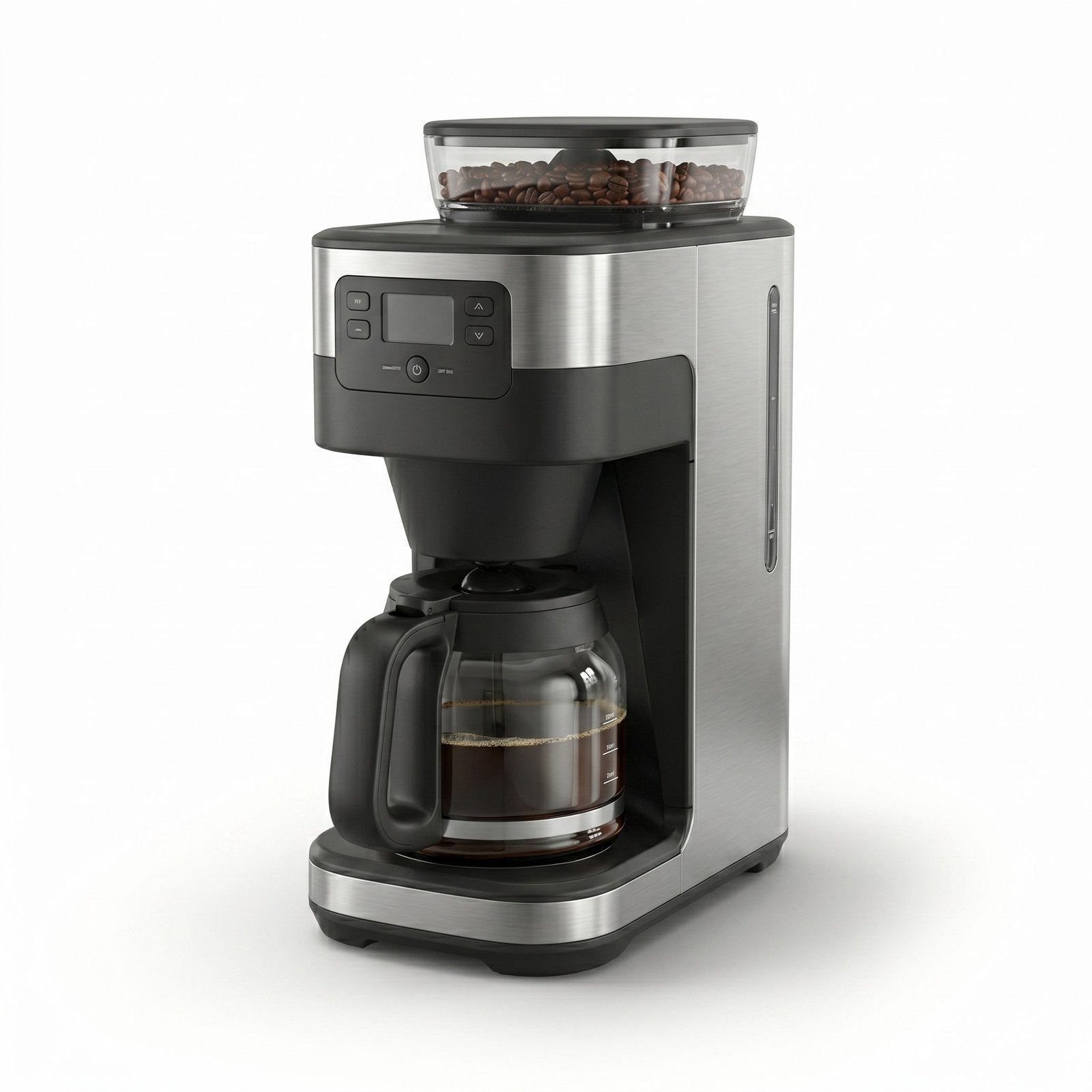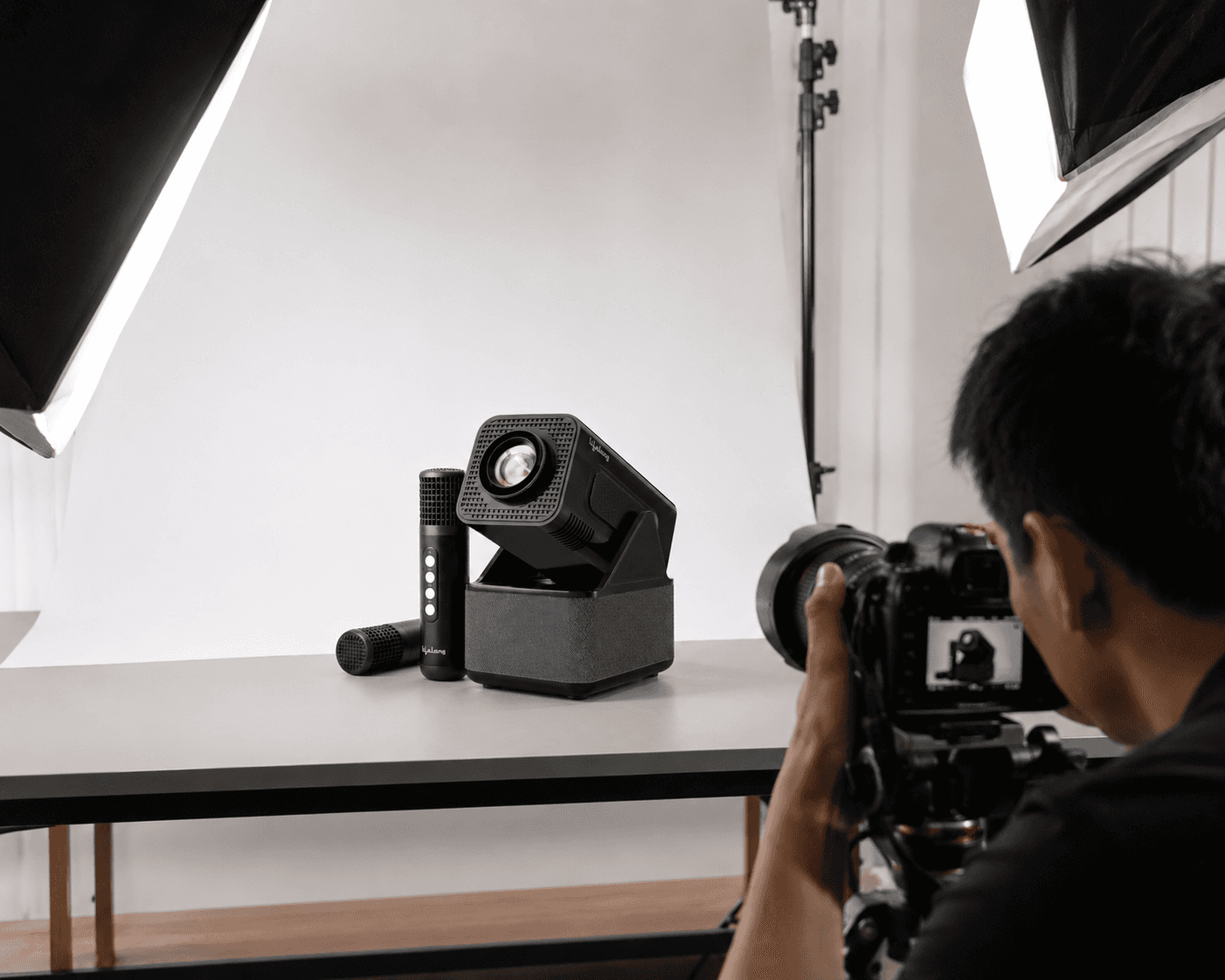
3D product visualization in India runs from about ₹2,500 to ₹25,000 per final image in 2026. A packshot of a shampoo bottle on white is a very different production from a cinematic lifestyle render, and the price reflects which one you actually need.
The four price tiers
Basic ecommerce renders run ₹2,500 to ₹6,000 per image, clean packshots on white or gradient, two or three angles, no environment. These are what marketplace sellers, FMCG brands and catalogue-scale ranges buy.
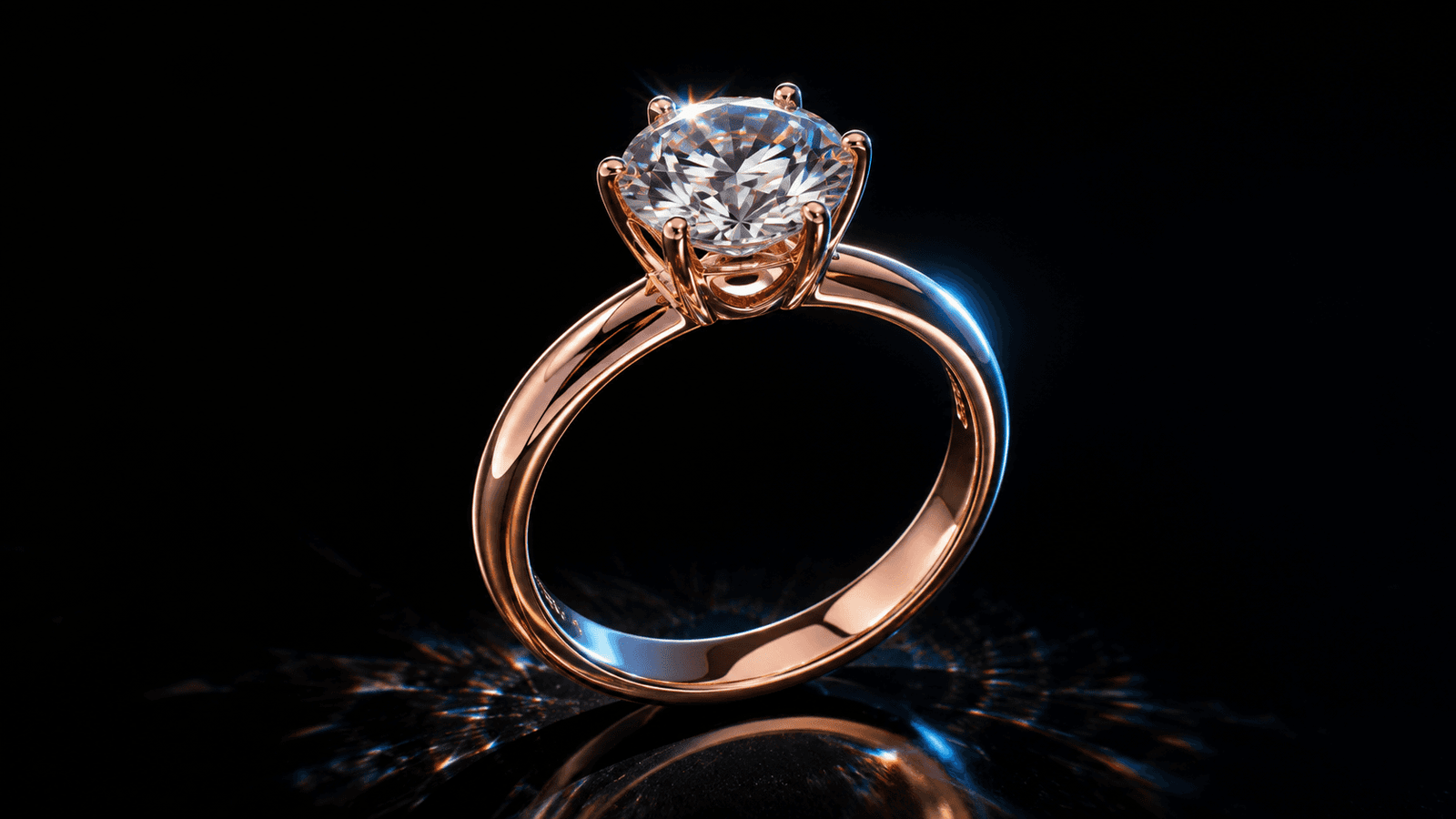
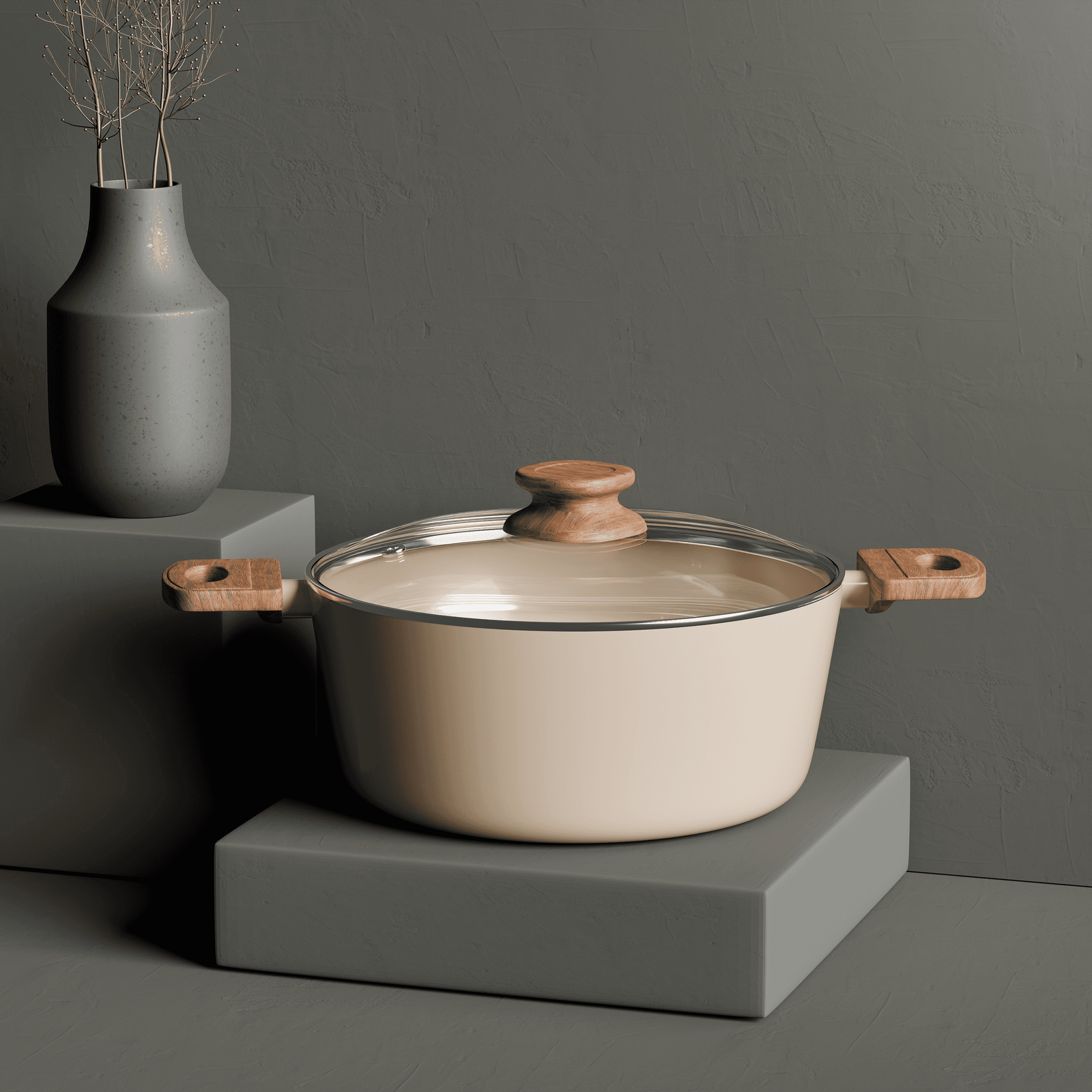
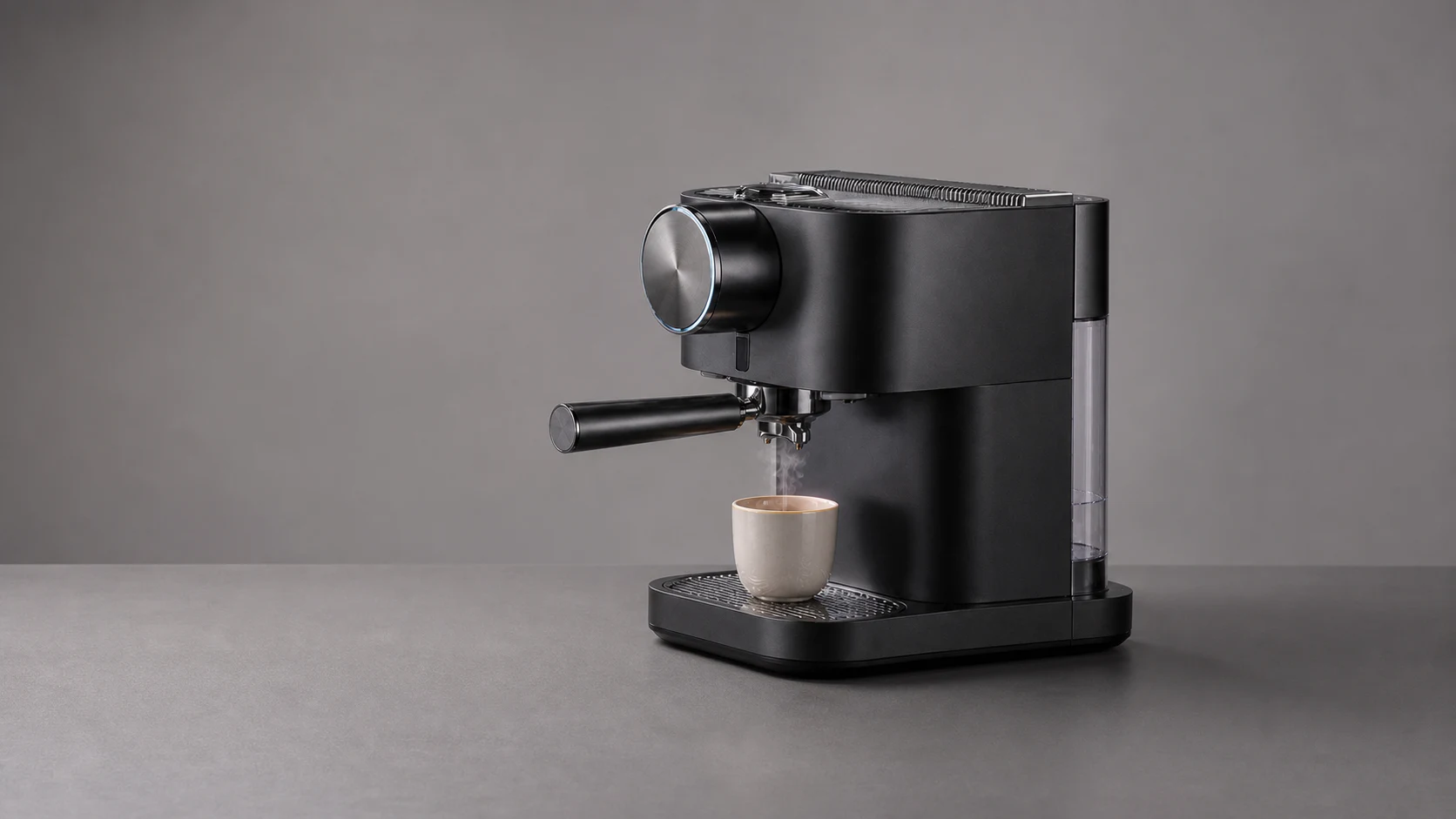
Mid-range product renders run ₹6,000 to ₹12,000 per image. Intentional lighting, controlled backgrounds, complex materials solved rather than approximated. This is where a render starts to look like a shoot at the front end of a product page.
Premium lifestyle renders run ₹12,000 to ₹25,000 per image. The product sits inside a full CGI environment built around it, a kitchen scene, a bathroom shelf, a campaign world. More production time in modelling, lighting and composition, priced accordingly.
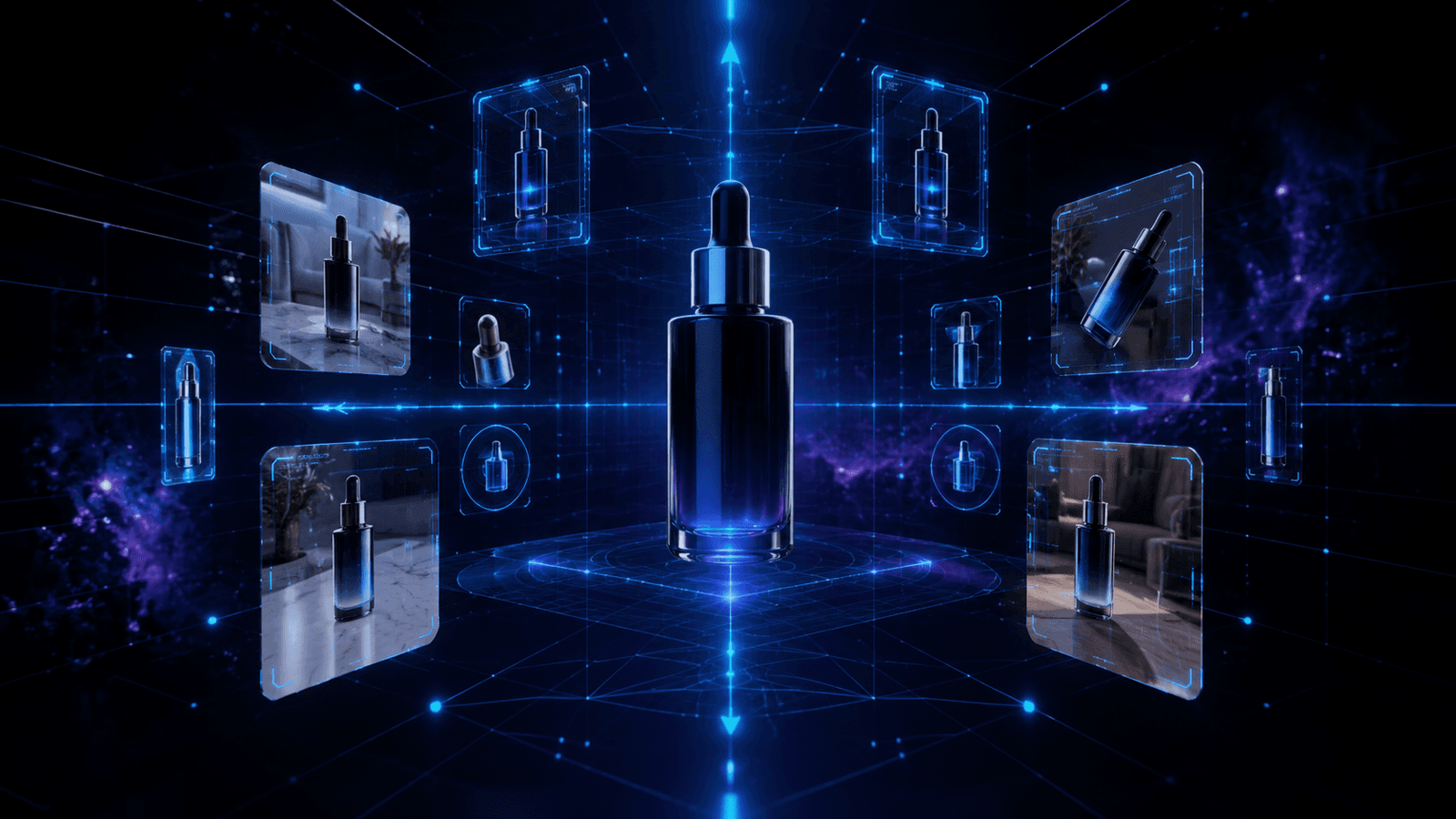
3D animation starts around ₹20,000 for a 5-8 second 360° loop and rises with the complexity of the reveal. The 3D model is the same one used for stills, so a brand that already has a render library pays for motion, not for building the product again.
What actually drives the price up or down
Five things move the number. Modelling complexity is the first. A cylindrical bottle costs less than a mechanical device with intricate detailing, and CAD files, spec sheets and packaging dielines cut modelling time by 30 to 40 percent when they are provided upfront.
Material difficulty is the second. Glass with refraction, liquid volume, frosted surfaces and polished metals each need specific technical handling. A frame with three complex materials in it costs more than the same frame with a single uniform surface.
- Environment complexity: a white background needs no scene; a custom kitchen does
- Angle count: the first render carries the setup cost, so extras are much cheaper
- Revision rounds: rendering time is real time, and last-minute changes bill for it
The single most effective way to keep a project on budget is a specific brief before rendering starts, reference images, angles, lighting mood, exact colour values. Revisions after the render is running are always more expensive than revisions before it.
How Indian pricing compares to global
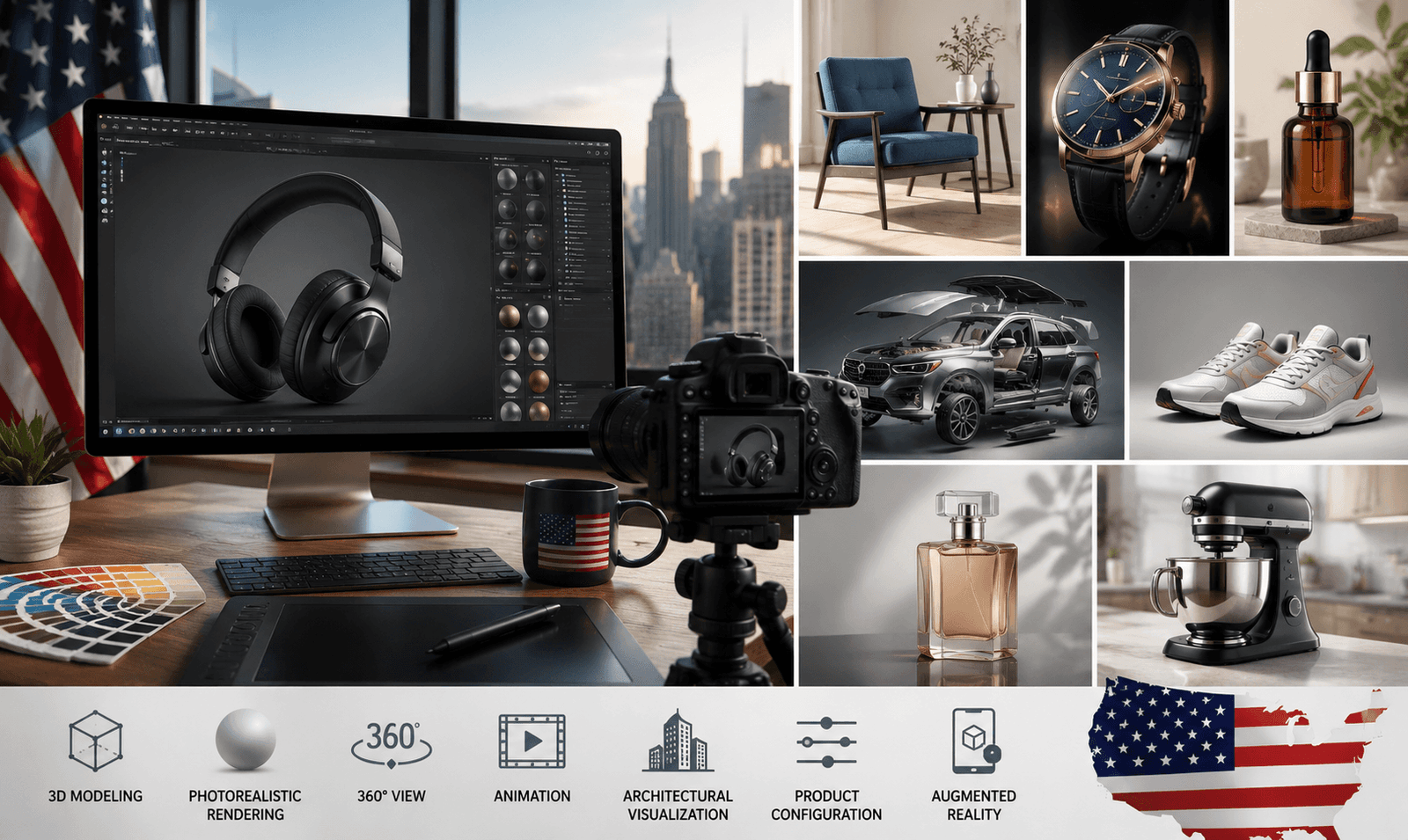
The same photoreal render that runs $400 to $800 at a North American or European studio runs ₹6,000 to ₹15,000 in India, for the same technical output. The gap is not a quality discount; it is a talent-pool and cost-base difference. India has deep experience in commercial ecommerce production and prices it accordingly.
Is 3D worth it compared to a photoshoot?
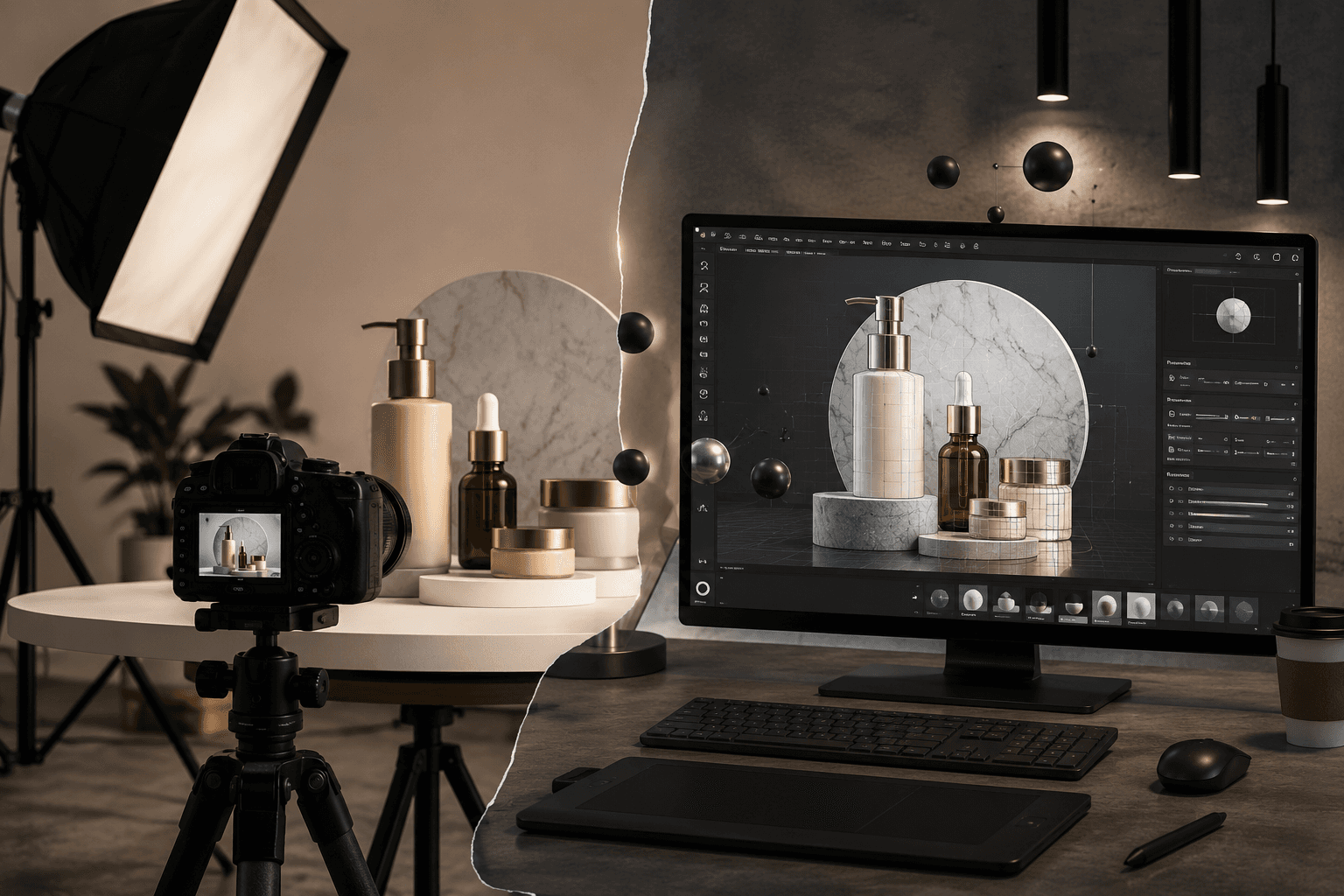
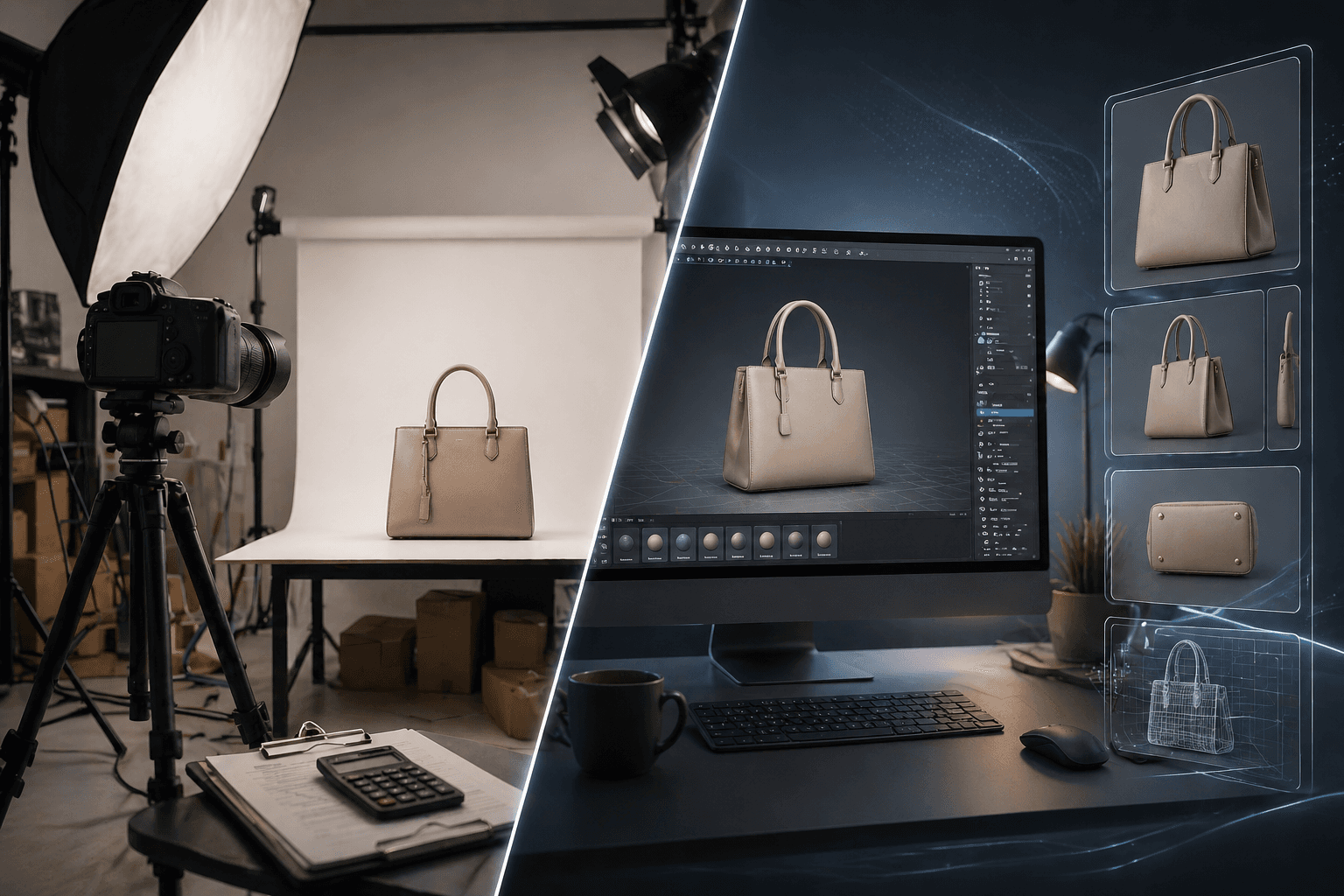
For a single hero image once, a shoot at ₹3,000 to ₹8,000 and a basic render at ₹2,500 to ₹6,000 are in the same range. The 3D case starts to win the moment a second angle, a second colourway or a seasonal refresh appears, because the model is already built, and every image after the first costs mostly render time.
What brings the cost down
- Ship CAD files or packaging dielines upfront: modelling is faster and cheaper from real data
- Order in volume: per-image rates drop across multiple angles or products
- Reuse the model library: brands that build up over time see per-image cost fall substantially
- Write a specific brief with references before the render starts, not during it
The output only holds up if the model is accurate. A render built from a rough interpretation of the product will look convincing until a customer zooms in on the label. That is the difference between a real 3D pipeline and a prompt.